

 Oil On PanelFlemish Baroque
 1638
1638 41.0 x 37.0 cm
 English Heritage
Käsinmaalattu öljyväri kankaalle haluamassasi koossa ja kehyksissä, taiteilijoidemme valmistamana tilauksesta. ( Vaihda tulosteeseen Siirry digitaaliseen kuvaan)





























Valitse valmiista mitoistamme sellaiset, jotka vastaavat teoksen alkuperäisiä mittasuhteita.

Voit syöttää omat mitat sopimaan tiettyyn kehykseen tai tilaan. Jos valitsemasi koko ei vastaa alkuperäisen kuvan mittasuhteita, rajaamme taideteoksen tai jatkamme maalausta käsin maalatuilla elementeillä. Digitaalinen esikatselu lähetetään hyväksyttäväksi ennen tuotannon aloittamista.
Huomioithan, että näytöllä oleva esikatselu ei vastaa todellista rajausta tai jatkamista. Vain digitaalinen mallikuva näyttää lopullisen sommittelun tarkasti.
Vaikka mittatilaustyöt ovat mahdollisia, suosittelemme valitsemaan mitan ennalta määritetystä listasta alkuperäisten mittasuhteiden säilyttämiseksi.
Maailmanlaajuinen toimitus () 3–4 viikossa tavallisen 5 viikon sijaan. (22 syyskuu). Laadusta ei tingitä.


The Smokers
Replikaatin koko
Adriaen Brouwer's "The Smokers," painted around 1636, isn’t merely a depiction of men enjoying a pipe; it’s a vibrant window into the social fabric and everyday realities of 17th-century Flanders. This remarkable oil on wood panel, now residing within the hallowed halls of the Metropolitan Museum of Art in New York, captures a moment of convivial chaos—a scene brimming with life, humor, and subtle commentary on the era’s values. Brouwer, a master of genre painting, eschewed the idealized portraits favored by many of his contemporaries, instead choosing to portray the lives of ordinary people – peasants, soldiers, tavern patrons – in all their earthy glory.
The scene unfolds within a dimly lit interior, likely a tavern or communal gathering space. Five figures dominate the composition: a central man, presumably Brouwer himself, leans forward, puffing on his pipe with an expression of surprised delight; to his right, another man lies sprawled on the floor, equally absorbed in his smoking pastime. A third man is seated at a table, engaged in a game of cards, while a fourth man enters through a doorway, adding a dynamic element to the tableau. A woman stands by a window, observing the scene with a detached air—a subtle reminder of the domestic sphere and perhaps a hint of social commentary on the roles of men and women at the time. Brouwer’s masterful use of light and shadow creates a palpable sense of depth and atmosphere, drawing the viewer into this intimate slice of life.
Brouwer's technique is characterized by its remarkable realism and attention to detail. He wasn’t interested in romanticizing or idealizing his subjects; instead, he meticulously observed their postures, expressions, and clothing, rendering them with astonishing accuracy. The brushstrokes are loose and expressive, conveying a sense of movement and spontaneity. Notice the subtle variations in skin tones, the wrinkles around the eyes, and the way the smoke curls from the pipes—these details contribute to the painting’s overall sense of authenticity. Brouwer's style is often described as “tronies”—studies of facial expressions that capture fleeting emotions and psychological states. “The Smokers” exemplifies this approach, offering a glimpse into the inner lives of its subjects.
Beyond its immediate visual appeal, "The Smokers" is rich in symbolic meaning. Smoking itself was a relatively new practice in 17th-century Europe, initially associated with the upper classes and considered somewhat decadent. Brouwer’s depiction of men casually enjoying pipes challenges this perception, suggesting that even the common folk embraced this pastime. The scene also subtly critiques social hierarchies—the seated man playing cards, the lying figure on the floor—reflecting a world where status was often determined by wealth and leisure. The woman observing from the window represents the watchful eye of society, reminding us that these moments of revelry were always subject to scrutiny.
"The Smokers" remains a powerful testament to Adriaen Brouwer’s artistic genius and his ability to capture the essence of human experience. It's more than just a painting; it’s a social document, a psychological study, and a celebration of everyday life—a timeless masterpiece that continues to fascinate and inspire viewers centuries after its creation. Reproductions of this iconic work offer a remarkable opportunity to bring this vibrant scene into your home, inviting you to contemplate the complexities of human nature and the enduring appeal of simple pleasures.


1635 - 1638 , Belgia
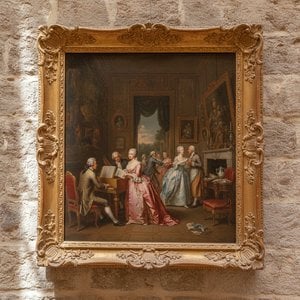
Explore the profound beauty of genre painting. From Dutch Golden Age masters to global traditions, discover how artists capture the essence of everyday life through masterful realism and timeless storytelling.

 Katso seinällä
 Lähetä
 Jaa
Jaa
 Tarkemmat tiedot
 Opas
Opas

 Lataa kuva
 Samanlaisia kohteita
 Röntgenkuvaus
 Diaesitys
 Tilastot
 Lue lisää







 Lasivaihtoehto on saatavilla vain alle 110 cm kokoisille teoksille


