Vaata sisu Vaata AR-eelvaadet Telli käsitsi maalitud reproduktsioon Ülemineku digitaalse pildi müügi kanalisse Jaga teost
Detailid Õppekate juhend Lisa lemmikutesse Laadi alla Sarnased teosed Röntgenuuring Slaidietendus Statistika

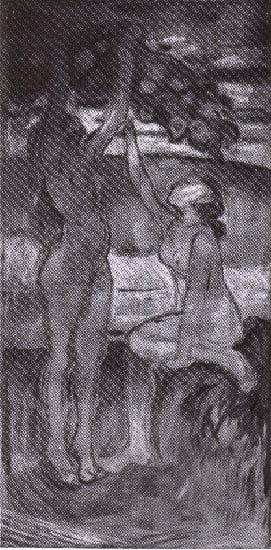
Harvest

A hauntingly beautiful black and white Expressionist study of two women amidst nature, Edvard Munch's Harvest captures profound themes of loss and mortality, inviting you to explore this evocative masterpiece.

Avasta Edvard Munch (1863-1944), ekspressionismi pioneer! Tutvu "Karjega" ja kunstiga, mis käsitleb ärevust, suremist, armastust ning psühholoogilisi teemasid. Põhjamaa kunsti ikoon!

Giclée / Kunstiprint

Muuseumikvaliteediga giclée- või kangasprint kiire tootmisega ja paindlikud viimistlusvõimalused. ( Telli käsitsi maalitud reproduktsioon Ülemineku digitaalse pildi müügi kanalisse)

Corner sample of the P118B picture frame: moulded polystyrene, 5 cm wide and 3 cm thick
P118B €10
Corner sample of the P118H picture frame: moulded polystyrene, 5 cm wide and 3 cm thick
P118H €10
Corner sample of the P118W picture frame: moulded polystyrene, 5 cm wide and 3 cm thick
P118W €10
Corner sample of the P438Z picture frame: moulded polystyrene, 5.5 cm wide and 3.5 cm thick
P438Z €10
Corner sample of the P508JH picture frame: moulded polystyrene, 7 cm wide and 3.5 cm thick
P508JH €12
Corner sample of the P508YH picture frame: moulded polystyrene, 7 cm wide and 3.5 cm thick
P508YH €12
Corner sample of the P805H picture frame: moulded polystyrene, 5 cm wide and 3.5 cm thick
P805H €10
Corner sample of the P805Z picture frame: moulded polystyrene, 5 cm wide and 3.5 cm thick
P805Z €10
Corner sample of the P919BZ picture frame: moulded polystyrene, 7 cm wide and 3.5 cm thick
P919BZ €10
Corner sample of the P919G picture frame: moulded polystyrene, 7 cm wide and 3.5 cm thick
P919G €10
Corner sample of the P919XJ picture frame: moulded polystyrene, 7 cm wide and 3.5 cm thick
P919XJ €10
Corner sample of the P959ZH picture frame: moulded polystyrene, 5 cm wide and 3 cm thick
P959ZH €10
Corner sample of the P968JZ picture frame: moulded polystyrene, 6 cm wide and 4 cm thick
P968JZ €12
Corner sample of the W106C picture frame: solid wood, 5 cm wide and 3 cm thick
W106C €8
Corner sample of the W218G picture frame: solid wood, 5 cm wide and 3 cm thick
W218G €10
Corner sample of the W218JH picture frame: solid wood, 5 cm wide and 3 cm thick
W218JH €8
Corner sample of the W218Y picture frame: solid wood, 5 cm wide and 3 cm thick
W218Y €10
Corner sample of the W307PJ picture frame: solid wood, 6 cm wide and 3 cm thick
W307PJ €10
Corner sample of the W316G picture frame: solid wood, 6 cm wide and 3 cm thick
W316G €10
Corner sample of the W316PJ picture frame: solid wood, 6 cm wide and 3 cm thick
W316PJ €8
Corner sample of the W316Y picture frame: solid wood, 6 cm wide and 3 cm thick
W316Y €10
Corner sample of the W398PJ picture frame: solid wood, 5 cm wide and 3 cm thick
W398PJ €8
Corner sample of the W4111J picture frame: solid wood, 6.5 cm wide and 3.5 cm thick
W4111J €10
Corner sample of the W500HY picture frame: solid wood, 7 cm wide and 5 cm thick
W500HY €15
Corner sample of the W500JH picture frame: solid wood, 7 cm wide and 5 cm thick
W500JH €15
Corner sample of the W692G picture frame: solid wood, 8 cm wide and 4 cm thick
W692G €12
Corner sample of the W849H picture frame: solid wood, 5 cm wide and 3 cm thick
W849H €8
Corner sample of the W940BG picture frame: solid wood, 7.5 cm wide and 4.5 cm thick
W940BG €15
Corner sample of the W953PJ picture frame: solid wood, 6 cm wide and 3.5 cm thick
W953PJ €8

Standardne suurus
kohandatud
CM
INCH

Vali meie eelmääratud suurused, mis vastavad teose algupärastele proportsioonidele.

laius
kõrgus

Saate sisestada oma mõõdud, et need sobiks konkreetse raami või ruumi sisse. Kui valitud suurus ei vasta originaalteose proportsioonidele, lõigame teose ära või laiendame pilti peegeldatud või ühtlase servaga. Enne tootmisprotsessi algust saadetakse Teie kinnitamiseks digitaalne näidis.
Palun märka, et ekraanil kuvatav eelvaade ei kajasta tegelikku lõigamist või laiendamist. Ainult näidis kujutab täpselt lõplikku kompositsiooni.
Kuigi erimõõdu on saadaval, soovitame originaaproportsioonide säilitamiseks valida mõõt ette määratud nimekirjast.

Ülemaailmne tarne () 2 nädala jooksul, tavalise 4/5 nädala asemel. (11 oktoober)

Tasuta ekspresssaatmine üle maailma
Kõrgekvaliteediline lina-kangastest muld
Täielik transpordikindlustus
Tollimaksude tagastamise garantii
Värvitoime täpsuse garantii
100 päeva tagastusõigus (ainult defektide korral)
100% raha tagasi garantii
Hulgusoodustus

Kogu summa

€ 59

Harvest

Giclée / Kunstiprint

Reproduktsiooni mõõtmed

-

Lõppsumma

€ 59

Teave teose kohta

  • Subject or theme: Rural Life, Human Connection
  • Medium: Oil on Canvas
  • Year: 1909
  • Artist: Edvard Munch
  • Notable elements or techniques: Loose brushwork, Impasto
  • Artistic style: Symbolic Expressionism
  • Influences:
    • Romanticism
    • Symbolism

Kunstiteaduse kvartett

Iga küsimuse kohta on ainult üks õige vastus.

Küsimus 1:
What artistic movement is Edvard Munch's 'Harvest' primarily associated with?
Küsimus 2:
Which technique did Munch use to create a textured, layered effect on the canvas?
Küsimus 3:
What is the primary color palette used in this specific painting?
Küsimus 4:
According to the description, what personal experiences of Munch might be reflected in the somber mood of the work?
Küsimus 5:
How does the composition handle perspective in 'Harvest'?

A Somber Symphony in Monochrome

In the quiet, evocative depths of Edvard Munch's 1909 masterpiece, "Harvest," we encounter a world where the boundaries between the physical landscape and the human psyche begin to dissolve. This striking black and white canvas serves as more than a mere depiction of a pastoral moment; it is a profound meditation on the cyclical nature of life, loss, and the enduring embrace of the natural world. As an exemplar of Expressionism, the painting eschews the objective clarity of realism to instead prioritize the visceral, emotional truth of the scene. Through a deliberate use of tonal variation and gestural brushwork, Munch invites the viewer into a space of quiet contemplation, where the rustle of leaves and the stillness of the figures suggest a moment suspended in time.

The composition is masterfully centered around two female figures positioned within a grove of trees. There is an intimate, almost voyeuristic quality to their placement, as if we have stumbled upon a private vigil. Munch employs a flattened perspective that heightens this sense of intimacy, bringing the background foliage into a closer, more pressing relationship with the subjects. The trees themselves, rendered with loose and spontaneous lines, reach upward like skeletal fingers, partially obscuring the sky and creating a sense of enclosure. This lack of rigid geometric structure allows for a dynamic portrayal of movement, where the organic shapes of the women's forms blend seamlessly into the irregular, textured contours of the landscape.

The Texture of Memory and Grief

To behold "Harvest" is to feel the weight of Munch’s personal history. The artist’s life was profoundly shaped by the shadows of mortality, specifically the premature deaths of his mother and sister from tuberculosis. These early traumas infused his work with a haunting preoccupation with grief and the fragility of existence. In this piece, the monochromatic palette—a spectrum of somber grays and deep blacks—acts as a visual echo of such sorrow. The absence of vibrant color strips away any superficial distractions, forcing the eye to focus on the impasto technique, where thick, layered applications of paint create a rugged, tactile surface. This textural richness mirrors the weathered landscape, suggesting that even in decay, there is a profound, textured beauty.

For the discerning collector or interior designer, "Harvest" offers an unparalleled emotional depth that can anchor a room with its quiet intensity. The painting does not demand attention through loud colors but commands it through atmospheric resonance. It functions as a window into the soul of Expressionism, making it an ideal centerpiece for spaces designed for reflection and intellectual engagement. Whether viewed as a study in light and shadow or as a symbolic narrative of life's fleeting nature, the artwork provides a sophisticated layer of storytelling to any curated collection.

Ultimately, Munch’s "Harvest" remains a timeless exploration of the human condition. It captures the tension between the vulnerability of the individual and the indomitable strength of nature. By embracing imperfection through his gestural strokes and avoiding the trap of photographic precision, Munch achieves a level of emotional resonance that continues to captivate modern audiences. It is a piece that does not merely sit upon a wall; it breathes with the heavy, beautiful rhythm of memory and the eternal cycle of the earth.

Küsimused ja vastused

Kes tegi teose "Harvest" ja millal?

Teose "Harvest" autor on Edvard Munch ja selle loomisaeg on 1909.

Millest on teos "Harvest" valmistatud?

Edvard Munch kasutas teose "Harvest" loomisel Oil On Canvas tehnikat. See tehnika määrab originaalteose materjalilise olemuse.

Mis on teose „Harvest“, autor Edvard Munch domineeriv värv?

Teose "Harvest" kõige silmapaistvam värv on Espresso (#3c3539). Dominantne värv on kasulik teose sobitamisel interjööriga.

Mis vanuses loos Edvard Munch teose "Harvest"?

Edvard Munch oli 46 aastane, kui ta lõi teose "Harvest" aastal 1909. Empiiriline vanus on arvutatud kunstniku sünnaaasta põhjal, 1863.

Mis tüüpi teos on „Harvest“, autor Edvard Munch?

Teos „Harvest“, autor Edvard Munch on klassifitseeritud kui WallArt. See kategooria kirjeldab originaalteose kunstivormi.

Kes on teose "Harvest" kunstnik?

Teose "Harvest" looja on Edvard Munch. Teos on kataloogitud nime Edvard Munch all.

Mis aastal loodi teos „Harvest“, autor Edvard Munch?

Teos „Harvest“, autor Edvard Munch loodi aastal 1909.


Kunstniku elulugu

Varjupilte täis elu: Edvard Munchi maailm

Edvard Munch, sündinud 1863. aastal Norra karmide maastike keskel, oli kunstnik, keda peeti modernse ajastu ärevuse ja emotsionaalse rahutuse sümboliks. Tema elu, mis oli sügavalt märgistatud kaotustest ja leviva melanhooliaga, oli tema sügava väljendusrikka kunsti algallikaks. Lapsepõlv, mida varjutasid ema ja õe varajased surmad – mõlemad tuberkuloosi ohvrid – tekitas Munchis kummitava seletuse suremusele, haigustele ja inimhinge hapra olemusele. Need kogemused ei olnud pelgud biograafilised üksikasjad; need said tema kunstilise visiooni keskuseks, toetades väsimatut uurimistööd hirmu, leina ja igatsuse sisepäikese maastikul. Tema isa ranged religioossed veendumused ja isegi tema enda vaimusüsteemid aitasid kaasa hirmutundele, mis läbistas Munchi maailma, kujundades mitte ainult tema isiklikku elu, vaid ka tema maalide sümbolilist keelt. Ta ei tegelnud pelgud stseenidega; ta väljendas sisemist seisundit, tõlgitses psühholoogilist ahastust visuaalseks vormiks.

Väljendumise algus: mõjud ja kunstiline areng

Munchi kunstiline tee algas ametliku õppega Kristiania (Oslo) Kuninglikus Kunstikoolis, kuid just boheemlaslike ringkondade ja Hans Jægeri nihilistliku filosoofia kohtumine tekitas tõeliselt tema loova tule. Jæger julgustas Munchi loobuma konventsionaalsetest akadeemilistest stiilidest ja selle asemel sukelduma omaenda subjektiivse kogemuse sügavusse, kontseptsiooni, mille ta nimetas „hingemaaliks“. See pöördepaigutus tähistas Munchi eripärase stiili algust – ühte, mida iseloomustab toor emotsioon, moonduvad vormid ja rejekt naturalistliku esituse suhtes. Pariisi reis 1890ndatel tutvustas teda kasvavale postimpressionistlikule liikumisele, kus ta omandas mõjutusi sellistelt kunstnike nagu Paul Gauguini, Vincent van Goghi ja Henri de Toulouse-Lautreci käest. Neid meistrite värvide julge kasutamine, väljendusrikkad pintslilöökide ja psühholoogiline intensiivsus kõlasid sügavalt Munchi enda kunstilise kalduvusega. Ta ei jäljendanud pelgud nende tehnikaid; ta sünteesis neid midagi ainulaadset – visuaalset keelt, mis on võimeline edastama kõige süngemaid ja segasemaid inimemotsioone. Tema viibimine Berliinis osutus ka oluliseks, tuues ta kokku näitekirjanik August Strindbergiga, kelle psühholoogiliste teemade uurimine toitis veelgi Munchi kunstilisi uuringuid.

Ikoonilised visioonid: peamised tööd ja nende sümboliline kaal

Munchi looming on täis pilte, mis on muutunud kollektiivse teadvuse sügavasse osasse. The Scream (Karje), võib-olla tema ikoonilisem teos, ületab maalina staatuse ja muutub universaalseks ärevuse sümboliks. Keerlevad, tulerohelised maastikud ja figuuri moonduvad näojooned kehastavad algelist karjet universumi ükskõiksuse vastu. Madonna, skandaalne ja südamliku teos, uurib seksuaalsust, emast ja surematut ausalt. Korduvad motiivid nagu The Sick Child (Haige laps) – inspireeritud õe Sophie kaotusest – on melankoolsed meenutamised Munchi lapsepõlve traumast ja surma alalise varjuks. Melancholy I & II (Melanhoolia I & II), sügava kurbuse ja isolatsiooni võimsad kujutused, paljastavad haavatavuse, mis on nii südamliku isiklik kui ka universaalselt seostatav. Need tööd ei ole pelgud välise reaalsuse esitusi; need on aknad kunstniku hinge juurde, pakkudes vaatajale julge pilgu inimhinge pimedaimatesse nurkadesse. Munch ei püüdnud luua ilusaid pilte; ta otsis tõde – isegi kui see tõde oli valus ja segastav.

Püsiv pärand: ajalooline tähendus ja jätkuv mõjutus

Edvard Munchi panus modernse kunsti arengusse on mõõdetamatu. Ta seisab ekspressionismi arendamise võtmefiguurina, rajades teed kunstnikele, kes andsid eesrindlaseks subjektiivsele emotsioonile objektiivse esituse suhtes. Tema vankumatu uurimine universaalsete inimkogemuste – armastuse, kaotuse, ärevuse ja surma – vastu kõlab täna publikuga, kinnistades tema koha üheks kõige mõjukamaks ja püsivamaks kunstiajaloo tegelaseks. Tema töö mõjutas sügavalt järgmisi kunstnike põlvi, mõjutades liikumisi nagu Saksa ekspressionism ja kaugemale. Ta julges silmitseda inimhinge pimedamate aspektidega, väljakutsetele konventsionaalsetele ilu- ja esituse normidele. Isegi saavutades kuulsust ja tunnustust – mille kulminatsiooniks oli Munchi muuseumi loomine Oslos – jäi tema isiklik elu turbulentseks, mida märgistavad vaimusüsteemide perioodid ja isolatsioon. Kuid selle vaatamata jätkas ta loometööd, jättes maha teoste kogu, mis jätkab provotseerimist, väljakutset ja inspireerimist. Munchi pärand ei puuduta pelgud maalidega; see on julgus silmitseda inimhinge keerukusega ja tõlkida need kogemused kunstiks, mis kõnetab meie olemuse sügavamaid osi.

Edvard Munch

Edvard Munch

1863 - 1944 , Sweden

Lühikest infot

  • Artistic Movement Or Style: Ekspressionism
  • Artists Or Movements Influenced By This Artist: ['Saks Ekspressionism']
  • Artists Who Influenced This Artist:
    • Paul Gauguin
    • Van Gogh
    • Toulouse-Lautrec
  • Date Of Birth: 12. detsember 1863
  • Date Of Death: 23. jaanuar 1944
  • Full Name: Edvard Munch
  • Nationality: Norralane
  • Notable Artworks:
    • The Scream
    • Madonna
    • Haige laps
    • Melanhoolia I & II
  • Place Of Birth: Ådalsbruk, Rootsi
Avastage teoseid, mis on koondatud teemade, stiilide ja omaduste kaupa.