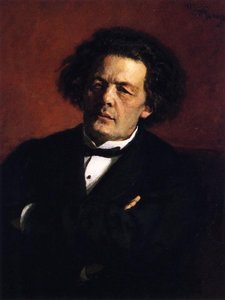
Varane elu, pere ja õppimisaastad
Ilya Repin tuldi ilmale 5. augusti 1844 Chuguevis, mis asus Venetsaaja keiserliku provintsi, Harkova kubaturis. Tema kasvatusi mõjutasid lihtsad ja praktilised eluviisid; tema isa, Jefim Vassiljovitš Repin, oli endine sõjaline asunik, kes töötas hiljem rändav kaupmees. See taust pakkus talle sügava seoseid inimeste liikumise ja provintsiatliku elu ruttu tõelisusega, mis hakkas hiljem tema kunstilist vaatenurka shaping. Tema varased aastad olid määratletud väikese linna vaikliku disipliiniga, eemal suuremetropolide akadeemialidest, mis lõpuks tema professionaalset elu määrkasid.
Tema tehnilise oskuse seemned seemiti kuivades traditsioonilise õppetöö kaudu. Kaiseks sai ta ime, kui alustas pikati ikoonide maali, õppides käsitletuse kunsti kohalike ikoonimaalarite juhendisel. See õppeperiood nõudis täpset käte ja sügavat arusaamist religioosne kompositsioonidest. See oli rangepoolne sissepääs tema ümbrivuse visuaalse keele juurde, õpetades talle vormi ja valguse nüansside observatsiooni veel enne, kui ta kunagi astus suurte metropolide uksest sisse.
1863. aastal, ulatudes oma talendi täiendavalt arendama, rändas ta Saint Peterburgi. Ta ei sisenud esialgu Keiserlikku Kunstiakadeemiasse tavapärasiste kanalite kaudu, vaid osales kursustel auditoorina, imeled institutsiooni atmosfääri ja õpetust. See enesearenduse ja õppimise periood võimaldas tal täita tühimik provintsiaalse õppetöö ja pe capitali ametlikke akadeemilisi standarde vahel. Ta oli oma järjepideva olemusega mees, kes suutis navigeerida üleminekut religioossete pühikunstitööde õpilasest sekulaarse kunsti tõeliseks meistriks.
Realismi meistri tõus
Üleminek õpilasest Vene kunsti kesksenälguseks oli tähistatud kiirega akadeemilise edu saavutamisega. Pärast algastaputuse kõiki väljakutseid, pälvas ta oma esimesed auhinnad Keisri Akadeemia Kunstide Koolis aastal 1869 ja 1871. Need tunnustused viisid tema maailma, kus ta suunas tähelepanu otsesemale suhtlusele oma ümbritseva reaalsusega. Tema kasvav maine tõi kaasa olulise tellimuse Grand Duke Vladimir Aleksandrovitšilt teoseks Volga laevajõudjad, töö, mis määrkas tema varajase karjääri ja kinnitas tema pühendumust töö reaalsuse pildistamisele.
Aastate 1873 ja 1876 vahel laienes tema vaade maailma läbi kaheteks aastaks Prantsusmaal ja Normandiassa viidud viibimise kaudu. See periood võimaldas tal jälgida en plein air ehk õuesmaalimise tehnikaid, mille ta integreeris hiljem oma oma lähtuviisi valuse ja vormi kohta. Ta ei kopeerinud lihtsalt kohatud stiile; selle asemel täiustas ta meetodit, mis pidas kinni inimlikku olekut konkreetse ja puhtakäsitsi selgusega. See reiside periood pakkus tehnilist laiust, mis oli vajalik lihtsest esitlusest sügavama psühholoogilise realismini liikumiseks.
Kuni 1894 oli tema mõju muutunud institutsionaliseeritud, kui teda nimetati St. Peterburgi Akadeemia ajaloolise maalimise professoriks. Ta oli liigunud kunstimaailma äärepiiril asuvast täpselt selle keskusesse, õpetades järgmisele põlvkondale, kuidas navigeerida akadeemilise traditsiooni ja sotsiaalse tõe nõue vahel. Tema karjäär oli täitnud täieliku ringi, muutudes kuulja õpilasest meistriks, kes kujundab rahvusliku kunsti suunda.
Peateosed ja meistriteosed
Ilya Repin'i kunstiline tõus oli tähistatud sügava oskusega tõlkida tavalise inimese kannatused monumentaalseks visuaalseks narratiiviks. Aastal 1873 loodis ta Volga laevajõudjad, teose, mis pities kinni uue jõuga mööduvate paadide venitamise brutsaalsed füüsilised vaevad. See maal läks kaugele lihtsest vaatlemisest, pakkudes läbi tema tegelaste kurnatuse ja otsevõitluse teravat süüdistust sotsiaalsest ebatõõnulikkusest. See teos kinnitas tema positsiooni kunstnikuna, kes on sügavalt sisseelanud inimlikku olekku ja oma ajastu sotsiaalpoliitilist pingeid.
Tema huvi Vene hinge keerukelduste vastu viis teda uurima nii religioosseid kui ka ajaloolisi teemasid intensiivse psühholoogilise sügavusega. Vahemikus 1880 kuni 1883 kirjastas ta Religiosusretk Kurskist, mis on nüanssilastunud uuring usust ja sotsiaalsest hierarhiast. Selles perioodis sündis ka Zaporozhja kossakkide vastus, töö, mis loodis aastate jooksul (1880–1891) vastupanu vankat vaimu. Tema pintstöö oli sageli tasakaalutus rahvameelsete motiivide rõõmu ja ajaloo tumedamate, raskemate aspektide vahel.
Draamatika võimsus saavutas oma peaküsimuse aastal 1885 koos teosega Ivan õudne ja tema poeg Ivan. See õnnetuse ja kadunõudluse hetke kirjeldus on üks tema kõige lummavamaid uuringuid võimu ja süüdivuse kohta. Läbides neid erinevaid teemasid liikus Ilya Repin jõekrassitud kaldadest Kremli rasketesse varjudesse, säilitades alati fookuse oma figuuride sisemises konfliktis.
- Volga laevajõudjad (1873)
- Religiosusretk Kurskist (1880–1883)
- Zaporozhja kossakkide vastus (1880–1891)
- Ivan õudne ja tema poeg Ivan (1885)
Tehnika ja kunstiline stiil
Ilya Repin tõi esile vene realismi kui võimsuse, püüdes eemaldada akadeemilist idealiseerimist ja asendada selle tänapäevase elu karjuda tõde. Tema kunstiline keeles on domineeriv sügav plastilisus – omadus, mis võimaldas tal kujundada inimkeha ja tema ümbritdust nii hästi, et see mõjutas vaatajat konkordse, kolmeefektse kohalolu feeliga. See tehniline meisterlikkus lassis talle võimaluse liikuda kaugemale pelagast ja portreerida lihtsalt sarnast, püüledes kinni either töölise füüsilist raskust või ajaloolise stseenide peenikest pingeid. Ta oli žanripildi tõeline meistar, kes leidis sügava tähenduse tavapärasest igapäevasest tegevusest ja oma ajastu keerukadest sotsiaalsetest hierarhiidest.
Tema kunstiline lähenemine ei olnud aga staatiline. Prantsusmaal ja Itaalias viibitud aeg pakkus talle uusi nähtavusi, kohtates algavava impressionismi liikumise, mille mõju on märgatav tema hilisemas loomingus. Ta hakkas integreerima uusi vaateanguid oma rangesse realistlikku vundamenti, kasutades valust ja pintstöötegevusest atmosfääri ning liikumise tegemiseks, statt et tugeneda vaid jäigadele ja läikivatele viimistlustele. See süntesis võimaldas tal portretteerida oma tegelaste psühholoogilist sügavust läbi voolavama ja täpsemalt jälgiva linssi. Inimkeha ja nägu muutusid tema jaoks emotsioonide maastikuks, kus peamine tähelepanu pöörati portreteeritavate sisemisele konfliktile ja vaimsele võitlusele.
- Volga laevajõudjad (1873)
- I Ivan õnnetuslik ja tema poeg Ivan (1885)
- Zaporozhian Cossackide vastus (1880–91)
Hilised aastad ja surm
Ilya Repin lõppfaas oli tähistatud vaikse taganemistega ajaloo turbulenssetest voogudest. Pärast 1917. aasta veebruuarirevolutsiooni leidis ta end üha rohkem eksistentslahusena bolshevikide poolt vapiitatud vägivalla ja terrori ees. See sügav ebakindlus ja mure sundis teda hüljema Vene elu keskpunktid ja otsima rahu oma omanimes Penates trilli rahustavast keskkonnast. Suitsu Finlandis asuv Kuokkala pakkus talle meelelahutuslikku ja turvalist peidupaika poliitilise upheavalist, mis oli tema kodumaad täielikult ümber kujundanud.
Selles eraldatud keskkonnas jätkas ta maali, leidides rahu linnades toimuvatest sotsiaalsetest transformatsioonidest eemal. Tema tähelepanu pöördugi isiklikumatele ja introspektiivsetele teemadele, laenates sageli inspiratsiooni oma vahetus läheduses olevast keskkonnast ja kõige lähedastest inimestest. Ta jäi oma kunstile truuks kuni viimaste päevadeni, säilitades seose selle loominguga, mis oli määranud tema olekuse. Ilya Repin suris 29. septembril 1930 Kuokkalas ning on peetud Penatesi kalmistule.
Pärand ja peritüüd matjutav mõju
Ilya Repin Ilya Repin mõju ulatus kaugele Vene Imperiumi piiridest, puudutades ka kaasaegse maali kunstipõhjal.
Ilya Yefimovič Repin Ilya Repin mõju ulatus kaugele Vene Imperiigi piiridest, puudutades ka kaasaegse maali kunstipõhjal. Määratades Vene realismi raamidesid, lõi ta visuaalse keele, mis mõjutas hiljem sotsialistliku realismide arengut. Tema võime ühendada tehniline akadeemiline täpsus terava sotsiaalset teadlikkusega võimaldas tema teostel toimida kui peeglile muutuva ühiskonna ees. See püüatus portretteerida inimlikku olukorda aususega tagasid selle, et tema mõju tunneksid järgmised kunstnik-geniusid, kes tema jalgades liikusid.
Tema maine tunnustati rahvusvahelises esiletulekul, kaugel tema nooreuse provintsiaalsest linnast. 1900. aastal oli ta Pariisi MaailmaEXPO kohtuauinemaksin, ametikoht, mis peegeldas tema positsiooni maailma kunstieliti seas. See tunnustus kinnistusid veelgi, kui talle kuulutas Prantsuse riik Prantsuse Lõhnatunnuse (Légion d'honneur), auamine, mis rõhutas tema olulisust Euroopa kunstimaailmas. Ta liikus rangete akadeemiliste traditsioonide ja areneva plein-air maali tehnikate vahel, jättes endast maha teoste kogumi, mis sillutas tee vana ja uue maailma vahel.
- Barge Haulers on the Volga (1873)
- Ivan the Terrible and His Son Ivan (1885)
- Reply of the Zaporozhian Cossacks (1880-91)
Kus tema teoseid täna näha saab
Ilya Repin on jätnud oma kunstilise pärandi maailma erinevates suuremates institutsioonides, mis peegeldab tema mõju laialdust ja sügavust. Moskva Tretyakovi kunstimuuseum on kõige olulisem kunstiteoste säilitaja, kus on kuulustatud 26 tema teost. Sellise kollektsiooni vahetul läheduses saab kohtuda tema 1881. aasta helipsong Modest Musorgski port reedsega ning 1883. aasta Pavel Tretyakovi port reedsega. Need teosed pakuvad vaatajale otsese kohtumise tema portreemalendise ja psühholoogilise sügavusega, mida ta oma subjektidele andis.
Moscovast kaugemal on tema linateid jõudnud Euroopa erinevatesse nurkadesse ja endise Liidu territooridele. Vitebski kaasaegse kunsti muuseum hoiab käes kahte tema teost, samas kui Moskva Pushkini riiklik kunstimuuseum säilitab ühe tähtsate teose. Praagis on Riiklik Kunstimuuseum säilitanud ühe tema maali, tagades tema visuaalse keele kättesaadavuse rahvusvahelistele vaatajatele. Need asukohad moodustavad fragmentaarset, kuid kunstilise loominguga täidetud olulist kaarti tema elutöö üle.
- Helipsong Modest Musorgski port reed (1881)
- Pavel Tretyakovi port reed (1883)
- Tšugujevi elaniku S.L. Lyubitskaya port reed (1877)
- Kunstniku poja Juri Repini port reed (1882)
Küsimused ja vastused
Kust leida Ilja Repin teoseid kunstisuunali grupitult?
Ilja Repin kunstistilid on leitav kunstniku Kõik suunad lehel, kus teosed on gruppitud stiili kaupa.
Kust leida Ilja Repin teoseid värvide järgi sorteerituna?
Ilja Repin Värvitoonide indeks on leht, kus kunstniku teosed on sorteeritud nende värvide järgi.
Kust saan vaadata Ilja Repin teoste väriprofiili?
Ilja Repin teoste väriprofiil on nähtav kunstniku Palettide genoom lehel.