A Crucible of Contemporary Creativity: The Walker Art Center
Nestled within the vibrant heart of Minneapolis, Minnesota, the Walker Art Center stands as a profound testament to the enduring power of modern and contemporary art. What began in 1940 as a modest gallery housed within the private residence of Thomas Barlow Walker has blossomed into one of America’s most influential cultural institutions. This evolution from a personal passion project to a global beacon of innovation is marked by a commitment to the artistic conversation, where the museum does not merely preserve masterpieces but actively participates in their creation through prestigious commissions, residencies, and an exceptionally engaging public program. It is a space where the boundaries between creator and observer dissolve, fostering a continuous dialogue of discovery that resonates far beyond the city limits.
The architectural narrative of the Walker is as significant to its identity as the canvases it houses. The building itself, designed by Edward Luminous Barnes and completed in 1971, embodies a masterful blend of sleek modernism and functional elegance. Its bold cantilevered roof creates a distinctive silhouette against the Minneapolis skyline, while providing expansive gallery spaces bathed in soft, natural light—a design choice that maximizes visual impact and invites deep contemplation. As the museum’s stature grew, the transformative intervention by Herzog & de Meuron in 2005 seamlessly integrated new galleries, a state-of-the-art theater, and sophisticated dining spaces. This expansion meticulously preserved Barnes’ original spirit, achieving a harmonious blend of mid-century modernism and contemporary architectural sophistication that appeals to the aesthetic sensibilities of architects and designers alike.
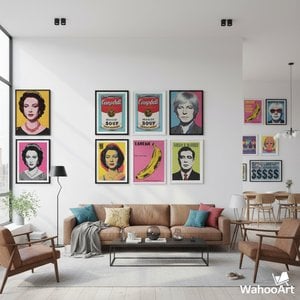
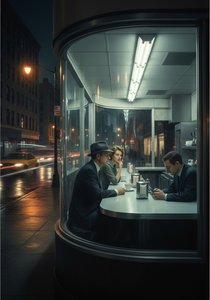
To wander through the Walker’s collection is to traverse a panoramic view of artistic evolution across continents and eras. The museum boasts an extraordinary holdings of over 13,000 works, ranging from early 20th-century photography to the most cutting-edge digital media art. Collectors and enthusiasts will find themselves captivated by the monumental self-portraits of Chuck Close, which delve into the complexities of identity, or the evocative, haunting urban solitude found in Edward Hopper’s Office at Night . The collection also celebrates the profound symbolism of Franz Marc’s Die grossen blauen Pferde and the provocative, media-driven explorations of Andy Warhol. From the immersive monochrome sculptures of Yves Klein to the powerful, identity-confronting installations of Kara Walker, the museum offers a curated journey through the most transformative movements in art history.
The Walker experience extends far beyond the gallery walls, offering an immersive environment where art meets the landscape. The adjacent Minneapolis Sculpture Garden serves as an iconic outdoor sanctuary, housing large-scale installations that challenge and inspire. Here, Alexander Calder’s Equus stands as a monumental landmark, its balanced form embodying movement and strength atop a granite pedestal. This seamless integration of indoor galleries and outdoor sculpture gardens creates a holistic artistic ecosystem. Complemented by a vibrant season of performance art—including dance, theater, and music—the Walker Art Center remains a vital cultural heartbeat, inviting every visitor to witness the intersection of tradition and the avant-garde.