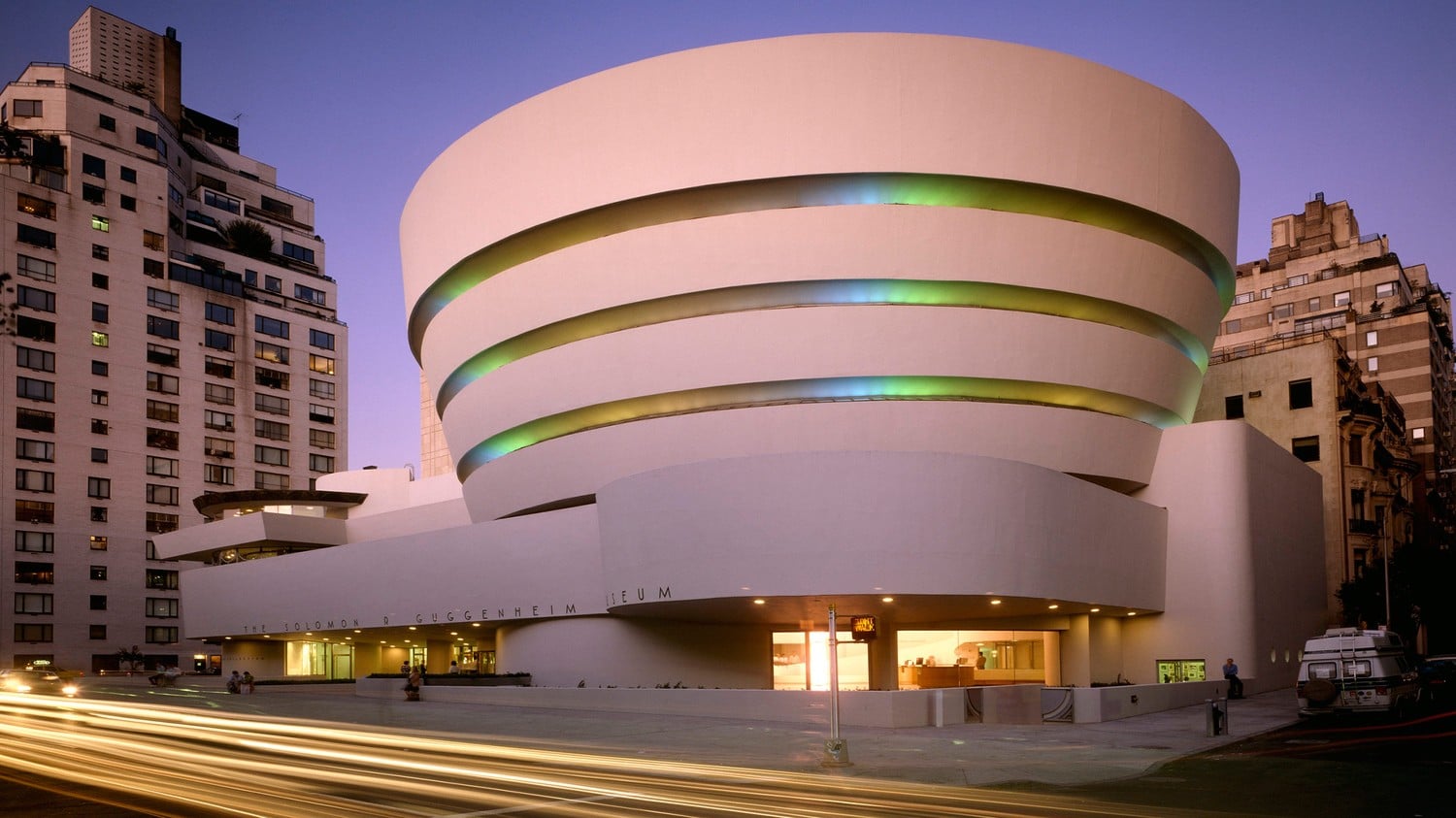
A Symphony of Light and Form: The Guggenheim Experience
To enter the Solomon R. Guggenheim Museum is to step inside a living sculpture, a place where the boundaries between architectural innovation and artistic expression dissolve into a singular, breathtaking experience. Located in the heart of New York City, this iconic landmark serves as much more than a repository for masterpieces; it is an immersive journey through space and light. Designed by the visionary Frank Lloyd Wright, the museum’s structure embodies the principles of organic architecture, creating a seamless dialogue between the built environment and the creative spirit. As visitors ascend the continuous, spiraling ramp, they are guided through a rhythmic progression of galleries that reject the traditional, compartmentalized museum layout in favor of an unfolding visual narrative, where every turn reveals a new perspective on the evolution of modern art.
The architectural brilliance of the building is anchored by its monumental oculus, a skylight that bathes the interior in a soft, natural glow, transforming the central atrium into a cathedral of light. Wright’s use of concrete and limestone—materials echoing the rugged geological formations of the American West—provides a grounded, tactile contrast to the ethereal quality of the light filtering from above. This deliberate design choice ensures that the art is never viewed in isolation; rather, each painting and sculpture becomes an integral part of the building's flowing geometry. For the art lover or interior designer, the museum offers a profound lesson in how space can elevate subject matter, turning the act of observation into a meditative encounter with form and movement.
At the heart of the Guggenheim’s soul lies its extraordinary collection, a legacy shaped by the pioneering spirit of Hilla von Rebay. Her dedication to non-objective and abstract art laid the foundation for a collection that celebrates the spiritual and emotional power of pure form. The museum’s halls are graced by the groundbreaking compositions of Wassily Kandinsky, whose vibrant hues and geometric precision continue to resonate with contemporary sensibilities. Alongside these abstract pioneers, the collection boasts the monumental presence of Pablo Picasso, whose diverse contributions range from intricate prints to sculptural marvels. This rich tapestry of art—stretching from Impressionism and Post-Impressionism into the heights of early Modernism and contemporary movements—creates a dialogue across eras, inviting collectors and enthusiasts to witness the continuous pulse of human creativity.
Beyond its permanent treasures, the Guggenheim remains a vibrant epicenter of cultural discourse, constantly reinventing itself through temporary exhibitions that challenge and provoke. By hosting shows that grapple with pressing social, political, and technological themes, the museum ensures that its historical collection remains in constant conversation with the present day. It is this unique ability to bridge the gap between the masters of the past—such as Marc Chagall and Joan Miró—and the emerging voices of today that makes the Guggenheim a living institution. For anyone seeking inspiration, the museum stands as an enduring emblem of New York’s cultural dynamism, a place where architectural grandeur and artistic innovation converge to inspire awe and ignite the imagination.