A Sanctuary of Human Expression
Nestled within the intellectual heart of New Jersey, the Princeton University Art Museum stands as a profound testament to the enduring dialogue between humanity and creativity. Since its inception in 1882, the museum has been driven by a singular, noble mission: to weave the tapestry of art into the very fabric of higher education. Today, it serves not merely as a repository for objects, but as a living sanctuary for over 117,000 artworks that span the breadth of human history and the vastness of global geography. For the discerning collector or the lover of fine aesthetics, the museum offers an unparalleled journey through time, where every brushstroke and sculpted curve tells a story of cultural evolution and spiritual aspiration.
The collection itself is a breathtaking panorama of global artistic traditions, meticulously curated to provoke thought and inspire wonder. In the realm of the Ancient World, visitors are transported to the cradles of civilization through exquisite Greek and Roman antiquities, where marble sculptures embody the classical ideals of proportion and grace, and intricate mosaics whisper tales of ancient mythologies. Moving eastward, the Asian Art collection offers a meditative retreat; here, one might find the delicate precision of calligraphy scrolls, the serene presence of Buddhist bronze iconography, and the luminous beauty of fine porcelain. This global breadth ensures that every visitor finds a resonance with the museum's profound holdings.
A Narrative of Light and Identity
As one wanders through the European and American galleries, the narrative shifts toward the dramatic evolution of Western identity. The European collection chronicles the transition from the luminous mastery of the Renaissance to the opulent textures of the Victorian era, featuring works that evoke the psychological depth of masters like Rembrandt and Vermeer . Complementing this is the American Art collection, which captures the rugged spirit of the Hudson River School’s atmospheric landscapes alongside modern explorations of social justice and identity. For interior designers seeking inspiration, these galleries provide a masterclass in color theory, composition, and the evocative power of light, offering timeless motifs that continue to influence contemporary decorative arts.
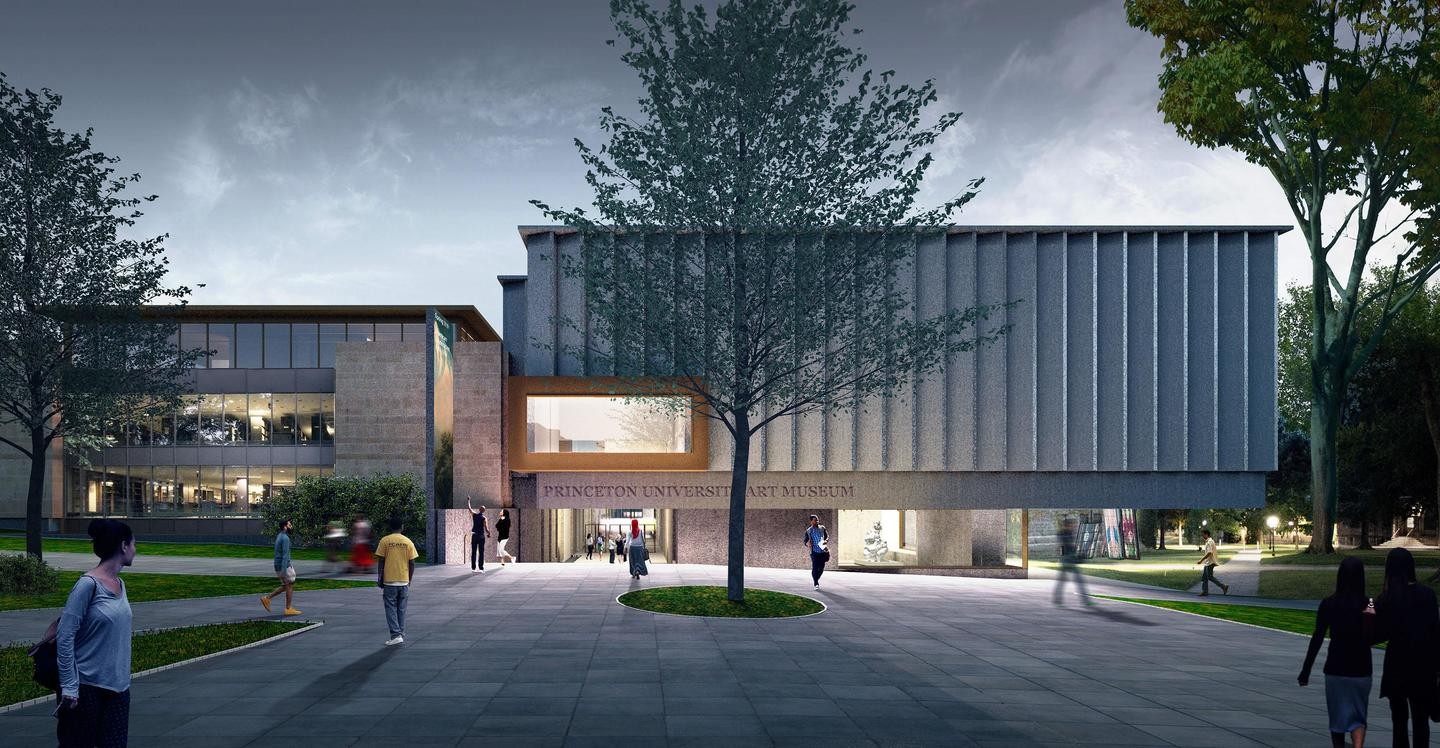
The museum is currently undergoing a transformative metamorphosis, a bold architectural reimagining led by the visionary David Adjaye . This revitalization project is more than a mere renovation; it is an architectural rebirth designed to foster deeper engagement through the strategic use of natural light and expansive, open spaces. As the new facility prepares to unveil its doors in late 2025, it promises an immersive environment where the architecture itself becomes a participant in the artistic experience. This commitment to innovation, paired with the museum's steadfast dedication to free admission, ensures that the Princeton University Art Museum remains a vital, inclusive cornerstone of cultural life—a place where the past and the future converge in a continuous celebration of the human spirit.