



A Dialogue Between Ruin and Renewal
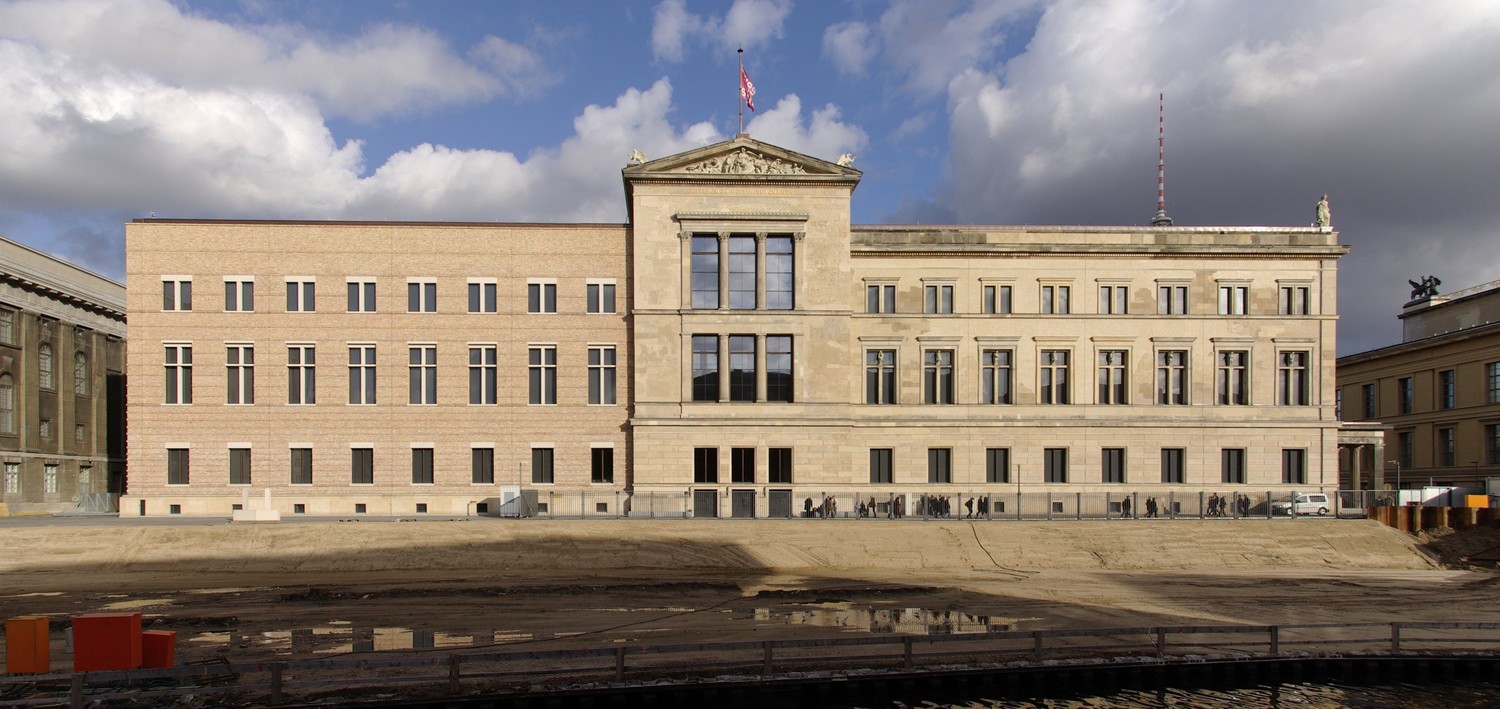
The Neues Museum in Berlin stands as a singular achievement in the city’s architectural landscape, serving as a profound testament not only to artistic vision but to the tenacious spirit of recovery that defines the German capital. Born from the ashes of World War II and surviving decades of division, this museum embodies a narrative of careful preservation interwoven with daring innovation. To walk through its halls is to experience a journey back to antiquity, where the scars of history are not hidden but celebrated as part of a larger, more complex beauty. The museum’s reconstruction, led by the visionary David Chipperfield Architects, avoids the temptation of mere mimicry; instead, it creates a space where the weight of the past meets the transparency of the present.
The architecture itself acts as a narrative medium, skillfully blending historicist elements with cutting-edge structural engineering. The striking concrete shell, punctuated by expansive glazing, embodies a sense of resilience and light. Chipperfield’s intervention is an act of thoughtful interpretation, where subtle insertions of new materials—such as the white concrete used in the monumental staircase—echo original forms while maintaining a distinctly modern aesthetic. This deliberate choice allows the building to breathe, creating a dialogue between the weathered textures of the surviving ruins and the clean, purposeful lines of contemporary design, making it an essential destination for those who appreciate how structural integrity can honor historical trauma.
The Heart of Egypt on Museum Island
At the very core of this architectural marvel lies one of the world's most significant collections of Egyptian antiquities, offering a voyage back millennia into the heart of ancient civilization. Stepping inside is akin to entering another realm, where the museum’s curators have meticulously arranged an array of funerary masks, sarcophagi, and hieroglyphic inscriptions that offer unparalleled insight into the beliefs and rituals of a lost world. The collection provides a window into the complex spiritual life of Egypt, presenting artifacts that were once part of sacred ceremonies and eternal resting places.
However, no visit to the Neues Museum is complete without encountering the North Dome Room, a space specifically designed to showcase the incomparable Bust of Queen Nefertiti . Bathed in soft, ethereal light, this room creates an atmosphere of profound connection with history. The bust itself, a masterpiece of ancient Egyptian sculpture from approximately 1340 BCE, commands immediate attention with its regal beauty and exquisite detail. It is a moment of silent conversation across centuries, where the artistry of Tuthmosis meets the modern gaze. Beyond this iconic centerpiece, visitors can explore reconstructed ancient tombs and environments that immerse them in the atmosphere of Egypt’s golden age, making the museum a vital center for both research and emotional discovery.
A Destination for the Discerning Eye
For art lovers, collectors, and interior designers alike, the Neues Museum offers more than just a collection of artifacts; it offers an aesthetic blueprint of how history can be integrated into modern life. The museum continues to evolve, hosting temporary exhibitions that explore new perspectives on ancient cultures and contemporary art, ensuring its relevance in the modern cultural dialogue. It remains a place where the textures of stone, the precision of concrete, and the elegance of ancient sculpture converge, providing endless inspiration for those who seek beauty in the intersection of the old and the new.


