




A Sanctuary of Steel and Soul: Exploring the Nagoya City Art Museum
Nestled within the vibrant heart of Nagoya, Japan, the Nagoya City Art Museum isn’t merely a repository for artistic treasures; it's an architectural statement, a testament to visionary design, and a living embodiment of cultural exchange. Conceived by the groundbreaking architect Kisho Kurokawa – famed for his “sensitive buildings” that blur the lines between structure and landscape – the museum opened its doors in 1987, immediately establishing itself as a landmark both aesthetically and conceptually. More than just a building housing art, it’s an artwork in itself, designed to invite contemplation and foster a profound connection with the creative spirit.
The museum's design is instantly arresting. Kurokawa masterfully employed a flowing, organic form that echoes the undulating curves of the surrounding landscape – a deliberate choice meant to dissolve the boundaries between interior and exterior space. The structure’s seemingly weightless appearance belies its robust steel frame, creating an intriguing juxtaposition of strength and fluidity. Large expanses of glass flood the galleries with natural light, further enhancing the sense of openness and inviting visitors into a realm where art and nature coexist harmoniously. Stepping inside is akin to entering a carefully curated sanctuary, a space designed for quiet reflection and immersive engagement.
Echoes of Paris and Mexico: A Diverse Collection
The museum’s collection is remarkably diverse, reflecting a deep commitment to showcasing both international masters and the rich artistic heritage of Japan. Perhaps most immediately captivating are its impressive holdings from the *École de Paris*, a pivotal movement that revolutionized early 20th-century European art. Here, visitors can lose themselves in the vibrant colors and emotive brushstrokes of artists like Marc Chagall and Amedeo Modigliani – their works pulsating with the energy and experimentation of a period defined by profound cultural upheaval. These pieces offer a fascinating glimpse into the diverse styles and perspectives that flourished within this influential movement, showcasing a bold departure from traditional artistic conventions.
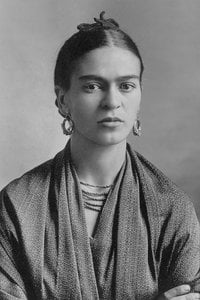
However, the museum’s reach extends far beyond Europe. Equally significant is its collection of Mexican Renaissance art, a vibrant celebration of indigenous culture and national identity. Iconic works by Frida Kahlo and her contemporaries transport viewers to a world of potent symbolism and profound emotional depth – a world shaped by the complexities of revolution, social justice, and personal experience. The museum’s selection reveals the rich artistic heritage of Mexico and its unique response to cultural identity and political change, presenting a powerful dialogue between tradition and modernity.
Celebrating Local Voices: Contemporary Japanese Art
While internationally acclaimed artists are prominently featured, the Nagoya City Art Museum also champions contemporary Japanese art, with a particular focus on local talents. The museum recognizes the importance of nurturing artistic expression within its own community, providing a vital platform for emerging voices and established figures alike. Works by Yamamoto Kansuke, a surrealist painter deeply connected to the region, hold a special place within the collection. His evocative and dreamlike compositions offer a unique perspective on modern Japanese identity and artistic expression – often exploring themes of memory, isolation, and the subconscious.
Beyond individual artists, the museum actively supports local art initiatives through rotating exhibitions and community programs. This dedication to showcasing local creativity underscores its commitment to fostering an environment where art thrives and new ideas are constantly being explored. The inclusion of contemporary pieces ensures that the museum remains dynamic and relevant, continually evolving with the changing landscape of art.
A Living Cultural Hub: Exhibitions and Experiences
The Nagoya City Art Museum is not simply a repository of static artworks; it’s a vibrant cultural hub that actively engages with its audience. Rotating exhibitions are meticulously curated to offer fresh perspectives on both established masters and emerging artists, often exploring specific themes or movements within art history. These temporary displays provide deeper insights into the world of art, sparking dialogue and encouraging critical thinking.
Beyond the visual feast, the museum hosts a variety of special events throughout the year – artist talks, workshops, and cultural performances – enriching the visitor experience and fostering a strong sense of community. The serene gardens surrounding the building offer a tranquil space for reflection and contemplation after immersing oneself in the world of art, completing the holistic experience that defines the Nagoya City Art Museum. It’s an environment designed not just for viewing, but for *experiencing* art on a deeper level, fostering appreciation and understanding across generations.


![Girl With Death Mask [niña Con Máscara De Calavera] — Frida Kahlo](/media/artworks/images-thumb/2f/5c/2f5cdb3402475327ead254bbd5406f45.jpg)


![Still Life With News Paper [nature Morte Au Journal] — Moïse Kisling](/media/artworks/images-thumb/e3/c5/e3c587dd20791f92ea0970da69fea431.jpg)



