


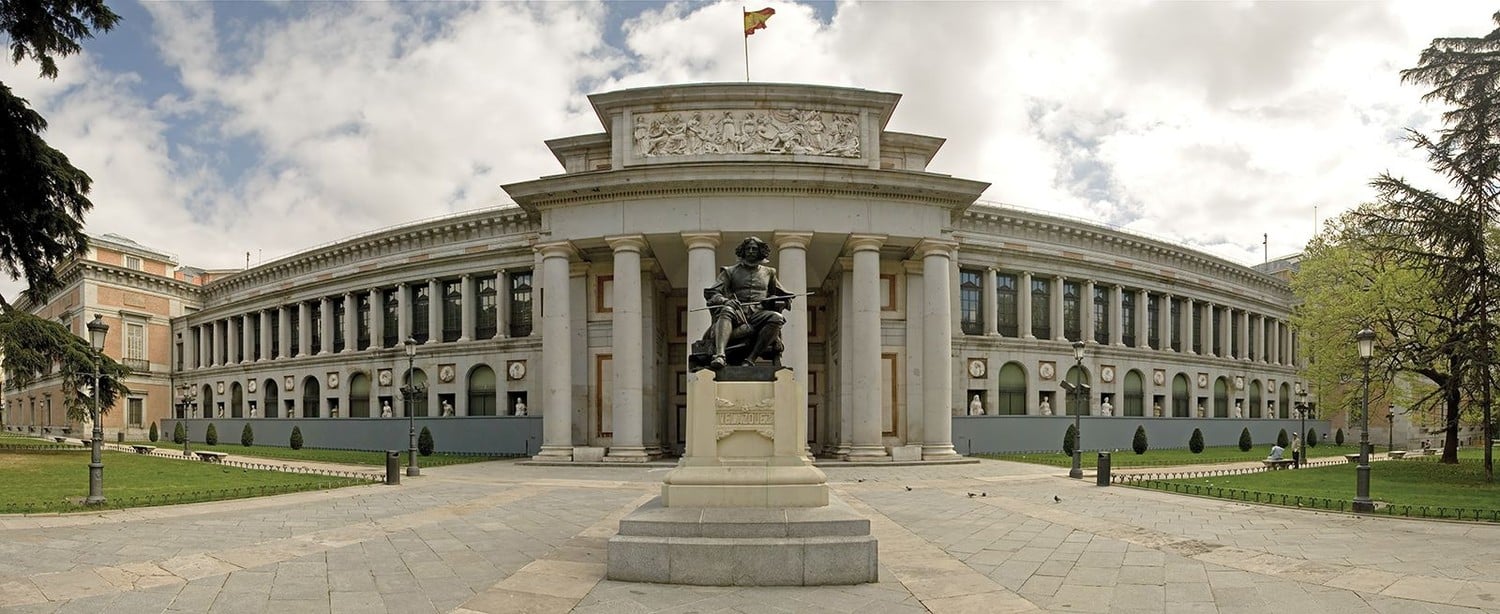
A Palace Breathing with Centuries: The Museo Nacional del Prado
Stepping through the grand entrance of the Museo Nacional del Prado is akin to entering a living chronicle—a testament to Spain’s artistic evolution and royal patronage. More than simply a repository of masterpieces, this magnificent palace in Madrid breathes with centuries of history, its walls echoing with the brushstrokes of Velázquez, Goya, El Greco, and countless others. Originally conceived as a “Natural History Cabinet” by Ferdinand VII, a bold shift towards celebrating Spain’s artistic heritage transformed this ambitious project into one of the world's most revered art museums—a place where the grandeur of the past intertwines seamlessly with the vibrant pulse of contemporary scholarship.
The Prado isn’t merely a museum; it’s an experience, a journey through time and artistry that captivates visitors from around the globe. The collection itself is a staggering testament to Spain's artistic legacy and its connections to European art history. At its heart lies the unparalleled holdings of Spanish Baroque art—a dazzling showcase of Rubens, Zurbarán, Murillo, and even the profound influence of Caravaggio on Spanish painters. Beyond this, the Prado boasts an impressive array of works by masters from across Europe: Titian and Veronese, adding layers of richness and complexity to the European artistic tapestry; Rembrandt van Rijn, whose *Artemis* showcases his masterful manipulation of light and shadow to evoke a sense of mystery and drama; and El Greco, whose ethereal compositions transport viewers to another realm with their spiritual intensity. The museum’s narrative begins not in an artist’s studio, but within the halls of a royal vision—Ferdinand VII's determination to establish a dedicated space for painting and sculpture, cementing the museum’s legacy as a symbol of Spain’s burgeoning cultural consciousness.
Villanueva’s Vision: Architecture as a Work of Art
But the Prado is more than just its art; it’s a building in itself—a masterpiece of Enlightenment architecture designed by Juan de Villanueva. Initially conceived as a Natural History Cabinet, Ferdinand VII’s ambition swiftly shifted towards creating a dedicated museum for painting and sculpture. The resulting palace embodies clarity, order, and reason – yet subtly infused with distinctly Spanish sensibilities. Villanueva’s design prioritized natural light, maximizing its penetration into the galleries—a deliberate choice reflecting Enlightenment ideals of rationality and beauty. The soaring ceilings, symmetrical facades, and meticulously crafted interiors create a sense of grandeur that speaks to Spain's royal patronage during this period. The central courtyard provides a tranquil oasis amidst the bustling city, offering visitors a space for respite and reflection. Notice the intricate marble floors, the ornate stucco decorations—each element carefully considered to enhance the appreciation of the masterpieces within. The building isn’t simply a container for art; it is an integral part of the experience, shaping how we perceive and engage with the works on display.
Masters of Light and Shadow: A Journey Through Artistic Brilliance
The Prado's allure lies not just in its sheer volume of art, but in the profound skill and emotional depth displayed within each piece. Francisco de Goya stands as perhaps the museum’s most compelling figure, his unflinching depictions of human suffering—from the harrowing scenes of war to the poignant beauty found in everyday life—offering a stark and profoundly moving reflection of his tumultuous era. Goya’s mastery is particularly evident in works like *Saturn Devouring His Son*, a visceral portrayal of primal fear and despair, demonstrating an unparalleled ability to convey raw emotion through color and composition. Equally captivating is Velázquez’s *Las Meninas* (The Maids of Honour), a complex and endlessly debated masterpiece that explores the very nature of perception, artistic creation, and the role of the royal court. Velázquez's genius lies in his ability to capture not just likeness but also the essence of his subjects—their personalities radiating from the canvas through masterful use of light and shadow, or *chiaroscuro*, creating a sense of depth and drama.
A Dialogue Across Time: Contemporary Relevance and Ongoing Exhibitions
The Museo Nacional del Prado isn’t merely a museum of the past; it’s a dynamic space actively engaged with contemporary art and scholarship. Currently, the museum is showcasing Antonio Muñoz Degrain, highlighting his innovative approach to abstract painting and reaffirming the Prado’s commitment to bridging past and present. Ongoing exhibitions explore connections between historical masterpieces and modern artistic visions, fostering critical dialogue and expanding our understanding of art's enduring relevance. The museum regularly hosts temporary exhibitions that bring new perspectives to familiar works, ensuring a constantly evolving experience for visitors. From lectures and workshops to digital displays and interactive installations, the Prado embraces innovation while remaining deeply rooted in its historical legacy.




