


A Singular Vision: Exploring Antoine Wiertz’s Musée
The Musée Wiertz stands as a testament to artistic devotion—a beacon illuminating the fervent spirit of Belgian Romanticism. Located in Brussels’ historic Saint-Gilles district, its unassuming exterior belies the profound depth contained within its galleries. To step inside is to leave the modern world behind and enter a realm where the boundaries between reality, science, and the macabre blur into a singular, hauntingly beautiful experience. This institution is not merely a repository of artworks; it is an immersive journey into the creative mind of one of Belgium’s most daring and influential artists, designed to honor Wiertz's dramatic vision and inspire deep contemplation.
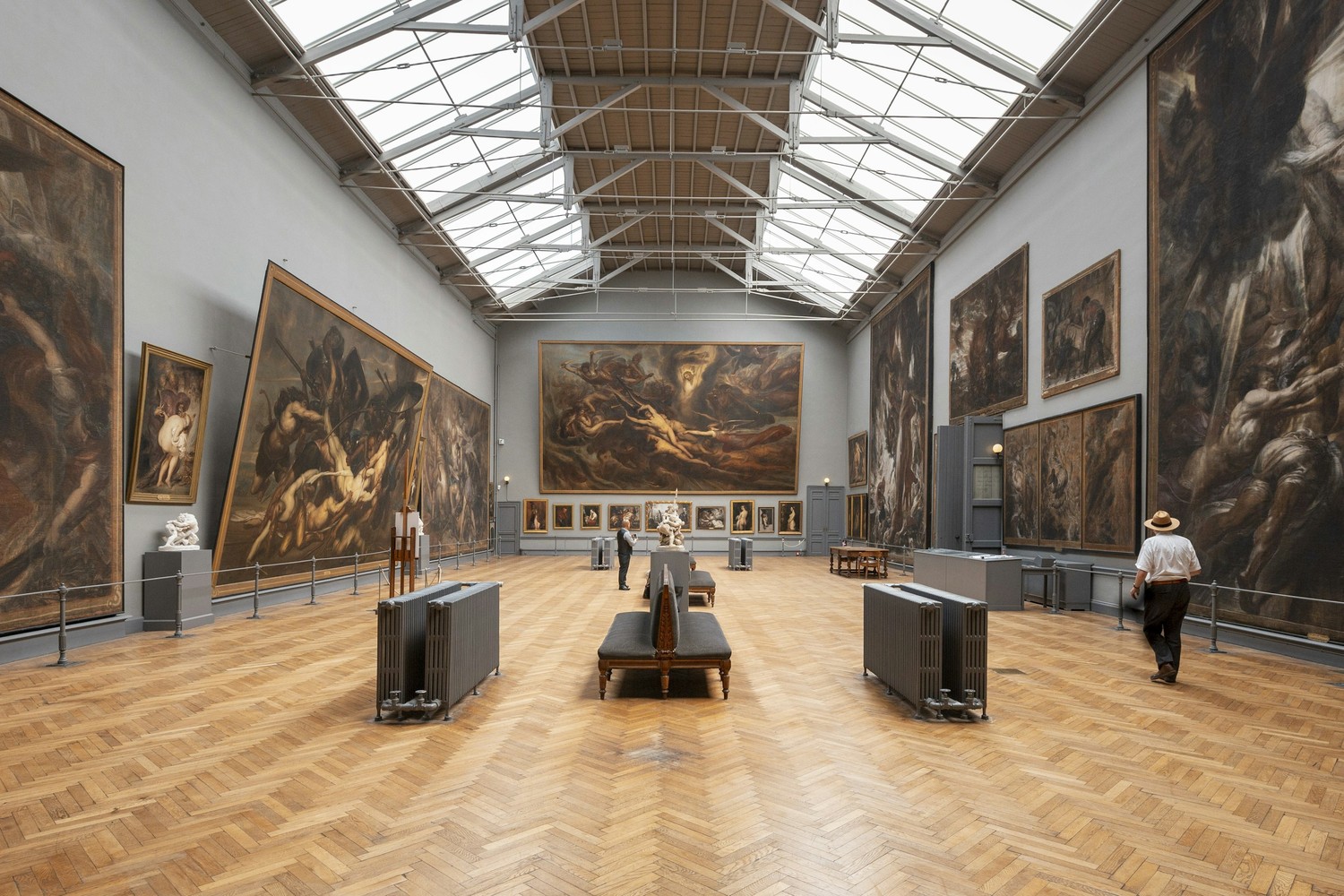
At the core of the museum’s appeal lies its extraordinary collection, centered around the monumental oeuvre of Antoine Wiertz . Visitors are immediately confronted with canvases that demand attention, such as “The Premature Burial,” a chilling depiction of death's grip and an unsettling exploration of human vulnerability. This masterpiece exemplifies Wiertz’s masterful use of chiaroscuro to convey palpable emotion, casting deep shadows that seem to pulse with life. Alongside this work resides "The Novel Reader," capturing the quiet intensity of intellectual pursuit and showcasing Wiertz’s ability to distill complex narratives into visually arresting compositions. The museum also boasts an impressive array of sculptures and sketches—remarkable examples of Wiertz's versatility and technical prowess—revealing his fascination with anatomical detail and expressive gesture.
Architectural Grandeur and Historical Resonance
The building itself contributes significantly to the visitor experience, acting as a physical extension of the art it houses. Constructed in 1895, the architecture embodies the grandeur of the Belle Époque —a deliberate choice reflecting the scale and ambition of Wiertz's artistic endeavors. The spacious galleries allow ample room for contemplation, fostering a profound connection between the viewer and the artwork. Natural light floods these spaces, enhancing the vibrancy of color palettes and illuminating textures that are crucial to appreciating the nuances of Wiertz’s dramatic style.
What truly distinguishes Musée Wiertz from other art institutions is its singular focus—a dedication to celebrating the life and work of a single artist. Unlike museums showcasing diverse artistic traditions, this institution delves deeply into Wiertz's intellectual milieu, examining his correspondence and publications alongside his artworks. This holistic approach provides invaluable insight into how he engaged with contemporary debates about science, religion, and social reform. It remains a vital sanctuary for those eager to delve deeper into Romantic art history and appreciate the enduring power of a vision that refused to be ignored.




