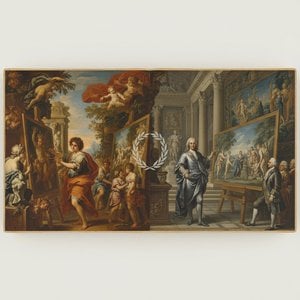
A Legacy of Light and Form: The Soul of Musée Fabre
Nestled in the vibrant heart of Montpellier, France, the Musée Fabre stands as a profound testament to centuries of artistic passion and cultural preservation. What began in 1825 as a modest municipal collection, born from the generous bequest of the local painter François-Xavier Fabre, has blossomed into a nationally recognized treasure trove of European art. To walk through its galleries is to traverse time itself, moving seamlessly from the solemnity of the medieval period through the dramatic flourishes of the Baroque and into the experimental spirit of the 20th century. The museum is far more than a mere repository for masterpieces; it is a living narrative of artistic evolution, reflecting the shifting tastes, political upheavals, and aesthetic revolutions that have shaped Western visual culture.
The physical presence of the museum is as much a masterpiece as the canvases it houses. Following an extensive and ambitious €61.2 million renovation completed in 2007, the institution achieved a breathtaking architectural harmony. The renovation seamlessly interwoven the building’s historical fabric with contemporary design elements, creating an inviting, light-filled space where past and present converse harmoniously. For the art lover or interior designer, this setting provides a sophisticated backdrop where the weight of history meets the clarity of modern minimalism, making every encounter with the collection feel both monumental and intimate.
A Canvas of European Brilliance
The true heartbeat of the Musée Fabre lies in its remarkably diverse collection, which possesses a particular strength in French and Italian painting. Visitors often find themselves captivated by the dramatic intensity of Jacques-Louis David’s “Hector,” a poignant depiction of classical heroism that commands the room with its Neoclassical precision. The museum also offers profound glimpses into the lives of the era's most influential figures, such as the intimate Portrait of Philippe-Laurent de Joubert or the evocative Portrait of Alfred Bruyas by Gustave Courbet . These works do more than capture likeness; they embody the social textures and psychological depths of their time.
The collection’s breadth is further enriched by the exuberant energy of Peter Paul Rubens , whose Baroque mastery fills the canvas with movement, and the unflinching realism of Courbet, who captured the essence of everyday life with raw honesty. For those drawn to the delicate and the playful, the museum offers the graceful scenes of Jean-Honoré Fragonard , including exquisite works on loan from the Louvre like “The Palette Game.” Beyond the realm of oil on canvas, the museum’s treasures extend to a fascinating array of ancient Greek and European ceramics and evocative sculptures, creating a rich tapestry of human craftsmanship that spans millennia.
The Luminophile Vision and Cultural Significance
What truly distinguishes the Musée Fabre from its international peers is its dedicated stewardship of the Luminophile art movement. This often-overlooked yet captivating current in 19th-century painting focuses on the evocative power of light and color, seeking to capture the fleeting effects of atmosphere and perception. By championing these works—characterized by their delicate brushwork and luminous palettes—the museum offers a unique opportunity to explore a specialized chapter of art history that celebrates the very science of sight.
As a vibrant cultural hub located near the iconic Place de la Comédie, the Musée Fabre remains deeply connected to the community of Montpellier. Through its curated temporary exhibitions and educational programs, it continues to foster a deep appreciation for the transformative potential of art. For collectors seeking inspiration or travelers seeking beauty, the museum stands as a sanctuary where history breathes, artistry flourishes, and the enduring power of human creativity is celebrated in all its glory.