A Tapestry of Artistic Legacy: The Soul of Rouen
Nestled in the historic heart of Rouen, France, the Musée des Beaux-Arts et de la Céramique stands as a profound testament to centuries of artistic endeavor and regional pride. It is far more than a mere repository for aged canvases; it is an immersive journey through epochs marked by innovation, tradition, and deep aesthetic contemplation. Founded with the noble mission of safeguarding Rouen’s cultural heritage, the museum has blossomed into a beacon for art enthusiasts and historians alike. To walk through its halls is to experience a deliberate dialogue between the grandeur of European painting and the meticulous, tactile artistry of local craftsmanship, creating an atmosphere where history feels vibrantly alive.
The museum’s distinguishing characteristic lies in its extraordinary duality—a harmonious marriage of fine arts and the delicate beauty of ceramics. This unique curatorial vision allows visitors to appreciate not merely individual masterpieces but the broader cultural tapestry from which they emerged. For the collector or the interior designer, the museum offers a masterclass in how texture, form, and color can define an era. The collection seamlessly bridges the gap between the monumental and the intimate, fostering a deeper understanding of how regional identity is etched into both the sweeping strokes of oil paint and the glazed surfaces of earthenware.
Masterpieces of Light and Shadow
Among its most celebrated treasures, the museum offers a radiant embrace of the Impressionist movement, alongside profound works from the Baroque era. One cannot encounter the halls without being captivated by Diego Rodríguez de Silva y Velázquez's “Democultus” (1629). This masterpiece exemplifies Baroque artistry infused with intellectual depth, presenting a portrayal of the Greek philosopher that captures a moment of enigmatic serenity and psychological complexity. The museum’s galleries are further enriched by the haunting resonance of Rembrandt’s portraits, which utilize light and shadow to explore the profound depths of human emotion.
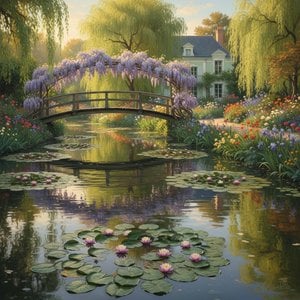
These paintings serve as windows into the minds of artists who revolutionized our perception of reality. As one moves through the galleries, the transition from the heavy, dramatic chiaroscuro of the 17th century to the luminous, fleeting moments of Impressionism creates a narrative of evolution. This progression is not merely chronological but emotional, inviting the viewer to witness the shifting tides of human sensibility and the ever-changing relationship between light, subject, and spirit.
The Ceramic Heritage and Sculptural Echoes
Beyond the canvas, the museum holds a distinction that sets it apart on the global stage: it houses France's largest repository of Rouen earthenware. This unparalleled collection is a legacy born from centuries of meticulous craftsmanship, where every vessel tells a story of regional influence and technical mastery. The intricate designs adorning these ceramics speak volumes about the artistic sensibilities of Rouen’s artisans, showcasing techniques honed over generations to transform functional objects into works of fine art. For those drawn to the tactile beauty of decorative arts, these pieces offer a tangible connection to a storied past.
Complementing this ceramic splendor is an impressive assemblage of sculptures that span from antiquity to the modern era. These works serve as visual chronicles of artistic progress, where monumental statues embodying classical ideals stand in striking contrast to avant-garde creations that challenge conventional notions of form and expression. Through this sculptural narrative, the museum invites a continuous dialogue about the role of art in shaping human understanding, ensuring that the Musée des Beaux-Arts et de la Céramique remains a dynamic, evolving institution that continues to inspire generations of dreamers and creators.