A Window into London’s Transit Soul: The Living Legacy of Motion
The London Transport Museum stands as a profound testament to the transformative power of urban mobility, serving as a meticulously curated chronicle etched in images and artifacts. Within its walls, the rhythm of London life is distilled through the captivating lens of Hugh Michael Robertson . Born in 1962, Robertson does more than merely document the passage of buses; he captures the very essence of a city perpetually in motion. His photography reflects a deep, intuitive understanding of how urban spaces shape the human experience, turning the mundane transit of daily life into a poetic study of light, movement, and connection. Much like the monumental sculpture Monument by Jeffery Camp, which commands attention through its striking presence, Robertson’s work seeks to convey both grandeur and raw emotion, inviting viewers to find beauty in the fleeting moments of the metropolitan journey.
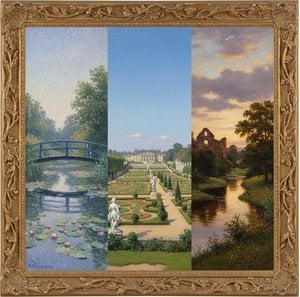
The museum's collection is an exquisite assemblage of history, where the mechanical meets the aesthetic. Visitors are transported back through time by a fleet of vintage buses, ranging from the iconic Daimler Double Deckers to the classic AEC Regent IIIIs, each serving as a rolling embodiment of London’s storied past. Yet, the allure extends far beyond the heavy steel and rubber of these vehicles. The museum preserves the delicate, tactile history of travel through meticulously kept moquette fabrics—the patterned textiles that once adorned the opulent interiors of bygone eras. These fragments of design offer a sensory glimpse into the social fabric of London, echoing the meticulous detail found in works like Alice Maud Fanner’s The Fountain, Hampton Court , where every artistic consideration serves to enrich the historical narrative.
Architecturally, the museum provides a striking dialogue between the old and the new. Housed in a magnificent example of Brutalist architecture at Euston Square, the building itself is a masterpiece of modernist design by Ernő Goldfinger and Ove Åström . The stark, powerful concrete façade embodies the mid-century ethos of 1980, creating a dramatic and intentional contrast with the nostalgic treasures housed within its structure. This architectural tension mirrors the museum's broader mission: to bridge the gap between historical preservation and contemporary relevance. It is a space where the weight of history meets the forward-looking spirit of innovation.
What truly distinguishes the London Transport Museum is its dedication to preserving narratives rather than just machines. It tells the stories of the engineers, drivers, and passengers who have collectively shaped the city's landscape. This commitment to authenticity and emotional resonance is reminiscent of John Mansbers’ wartime art, which captured the solemnity and resilience of the British spirit. Through groundbreaking exhibitions that tackle pressing modern themes such as sustainability and accessibility, the museum remains a vital cultural hub. Drawing inspiration from the serene, contemplative marine paintings of Charles Pears, the museum fosters a deep appreciation for craftsmanship and beauty, ensuring that every visitor leaves with a renewed perspective on how the evolution of transport reflects the very soul of London itself.