A Sanctuary of Expression: The Soul of Kunstmuseum Bonn
Nestled in the historic heart of Bonn, a city where the echoes of Beethoven’s compositions linger in the air, lies the Kunstmuseum Bonn —a profound sanctuary for those who seek the raw, emotive power of modernism. To step into this institution is to embark on a journey through the turbulent yet beautiful psyche of the twentieth century. Born from a necessity to rebuild not just walls, but a cultural identity during the transformative era of post-war reconstruction, the museum has since evolved into a global beacon for Rhenish Expressionism . It offers a window into a movement that sought to shatter academic rigidity in favor of spiritual and emotional truth, providing an intimate dialogue between the viewer and the fervent spirit of an era that yearned for renewal amidst the shadows of history.
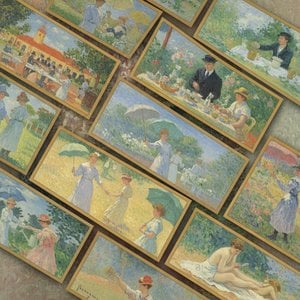
The heartbeat of the collection is undoubtedly its unparalleled mastery of Rhenish Expressionism. Here, the canvases of August Macke serve as luminous portals, where color is used not merely to describe the world, but to vibrate with life itself. Visitors find themselves enveloped in landscapes that pulse with a rhythmic, almost musical energy, and figures that possess a startling, honest vulnerability. For the discerning collector or the interior designer seeking a centerpiece of profound emotional resonance, these works offer a timeless connection to the human condition.
A Dialogue Between Tradition and Innovation
Beyond the vibrant hues of the Expressionists, the museum offers a deeper, more contemplative exploration of post-war German art. The halls transition seamlessly into the provocative and the monumental, showcasing the transformative works of Joseph Beuys , whose sculptural interventions challenged the very definition of art and social responsibility. Alongside him, the enigmatic figures of Georg Baselcz and the conceptual pioneers like Wolf Vostell invite a more intellectual, often unsettling, engagement with the medium. This era of German art is presented here not as a static history, but as a living, breathing interrogation of existence.
What truly distinguishes Kunstmuseum Bonn is its refusal to remain anchored in the past. While it honors its historical roots, the museum remains at the cutting edge of contemporary discourse, particularly through its dedication to new media. As a vital participant in the Videonale —Germany’s premier biennial festival for video art—the institution ensures that the dialogue between tradition and innovation is never broken. For the art lover searching for meaning or the designer looking for avant-garde inspiration, the museum offers more than an exhibition; it offers a captivating voyage through the enduring human spirit.
Architectural Precision and Light
The architectural experience of the Kunstmuseum Bonn is as much a masterpiece as the works it houses. The current structure, designed by the visionary Axel Schultes of BJSS architects, is a triumph of light and precision. Designed with an ethos of openness, the building features three distinct entrances that symbolize accessibility and the democratic spirit of art. Inside, a magnificent staircase ascends through spaces bathed in natural light, guiding the visitor through meticulously curated exhibition halls.
The architecture does not merely contain the art; it breathes with it, providing a serene, modern backdrop that allows the textures and colors of the paintings to command the room. This seamless integration of space and substance makes the museum an essential destination for anyone captivated by the intersection of structural elegance and artistic passion.