


A Legacy of Artistic Vision: The Soul of Karlsruhe
Nestled in the heart of Germany, Kunsthalle Karlsruhe stands as a profound beacon of European art history and contemporary creativity. Since its inception in 1850 under the visionary guidance of Alfred Lichtwark, this institution has functioned far more than a mere repository for relics; it is a living dialogue between the past and the present. Originally established as the Städtische Gallerie, the museum was built upon a pioneering spirit that championed artistic freedom and intellectual discourse. This foundational belief—that groundbreaking new works deserve equal footing with established masterpieces—has allowed the Kunsthalle to maintain an enduring relevance, fostering a unique space where historical reverence meets modern provocation.
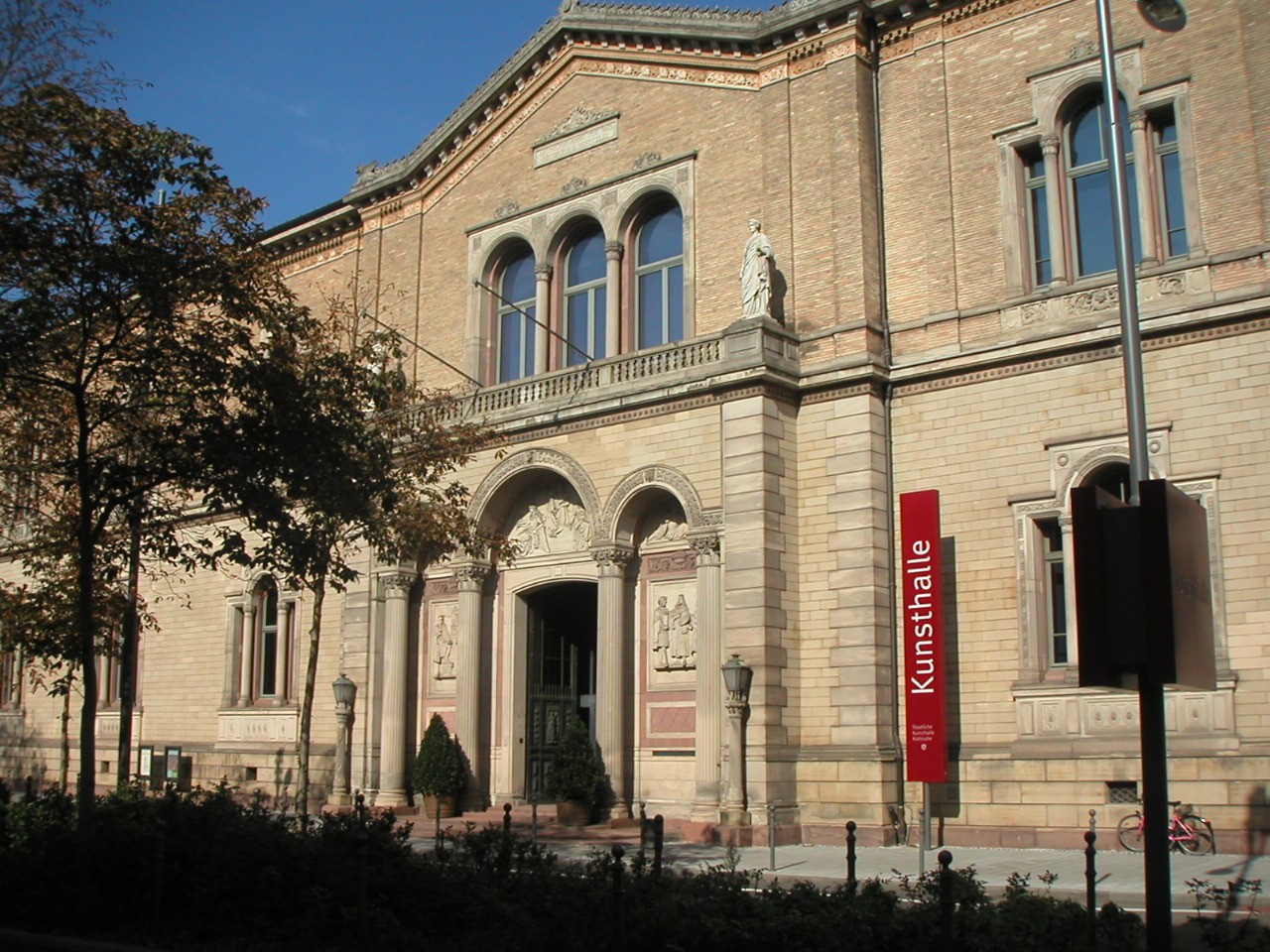
The architecture of the museum itself serves as a silent narrator of Karlsruhe’s rich heritage. The striking red-brick façade, constructed in 1869, evokes a sense of Victorian grandeur that anchors the institution within the city's urban fabric. As visitors move through its halls, they encounter the magnificent Kuppelsaal , a domed hall extension designed by Fritz Schumacher in 1921. This architectural jewel, born from the artistic ambitions of the Weimar Republic, provides a breathtaking setting that mirrors the transformative energy of the art housed within its walls, offering an atmosphere of solemnity and light that captivates both the casual observer and the seasoned collector.
A Journey Through Centuries of Mastery
To wander through the collection of Kunsthalle Karlsruhe is to embark on a sweeping odyssey across seven centuries of human expression. The journey begins in the profound depths of the Medieval period, where the museum’s core holdings reveal the spiritual intensity of the era. Masterpieces such as the altars crafted by Master Bertram and Master Francke offer visitors an intimate glimpse into religious iconography, showcasing a level of craftsmanship and symbolic complexity that continues to inspire awe. These works serve as the spiritual bedrock of the collection, grounding the viewer in the devotional traditions of old Europe.
As the narrative shifts toward the 17th century, the museum transitions into the luminous era of Dutch realism. Here, the meticulous brushwork of luminaries like Rembrandt Harmensz van Rijn and Johannes Vermeer brings a sense of quiet, domestic intimacy to life. The play of light and shadow in these canvases creates a window into a bygone world, making them essential viewing for those who appreciate the technical perfection of the Old Masters. This mastery of light finds its revolutionary successor in the Impressionist collection, where the works of Claude Monet and Pierre-Auguste Renoir burst onto the scene with vibrant palettes and fleeting, atmospheric beauty, capturing the very essence of movement and natural splendor.
The Vanguard of Modernity and Beyond
The evolution of art reaches a fever pitch within the Gallery of Classical Modernism, a space dedicated to the transformative movements that redefined the human condition in the early 20th century. Within these walls, the boundaries of perception are challenged by the fractured planes of Cubism, the dreamlike enigmas of Surrealism, and the raw, emotional intensity of Expressionism. The presence of titans such as Pablo Picasso , Edvard Munch , and Ernst Ludwig Kirchner ensures that the museum remains a site of intense psychological exploration. These artists utilized daring experimentation to interrogate reality, making this section an indispensable destination for those seeking the roots of contemporary visual language.
What truly distinguishes Kunsthalle Karlsruhe is its commitment to the future through careful stewardship and innovation. Through ongoing renovation projects—leveraging the technical expertise of ZKM Karlsruhe —the museum ensures that its treasures are preserved with the highest standards of modern conservation while remaining accessible to new generations. For the interior designer seeking inspiration or the art lover searching for a profound connection to history, the Kunsthalle offers more than just an exhibition; it offers a continuous, unfolding story of human creativity, where every canvas and every stone tells a tale of enduring beauty.


