


A Living Canvas: The Soul of Bloomsbury in Sussex
Nestled within the verdant embrace of the Sussex countryside near Lewes, Charleston is far more than a mere museum; it is a breathing, vibrant testament to a revolutionary way of life. To step across its threshold is to leave the rigid constraints of the modern world behind and enter a sanctuary where the boundaries between art and existence have been intentionally dissolved. This farmhouse, famously the home and studio of painters Vanessa Bell and Duncan Grant, serves as a beautifully preserved echo of the Bloomsbury Group’s intellectual and creative freedom. Here, history does not sit behind glass in sterile silence; instead, it hums through the very walls, inviting visitors to participate in the enduring legacy of a circle that redefined British modernism.
The architecture of Charleston is inseparable from its artistic identity. Rejecting the stuffy, formal aesthetics of the Victorian era, Bell and Grant transformed the domestic space into an immersive, multi-sensory experience. The house functions as a singular, unified work of art, where every surface—from the ceilings to the furniture—has been treated with a painterly touch. Intricate murals, whimsical scenes, and bold, experimental patterns spill across the interiors, creating a sense of joyful disorder that feels both intimate and profoundly avant-garde. For the interior designer or lover of decorative arts, Charleston offers an unparalleled masterclass in how color, pattern, and form can dance together to define the atmosphere of a home, turning everyday objects into vessels of creative expression.
Mastery and Memory: The Artistic Legacy
At the heart of the collection lies the profound oeuvre of Vanessa Bell, whose work serves as the pulse of the house. Her paintings, characterized by a masterful blend of Impressionistic technique and an expressive, emotive use of color, capture the essence of the Bloomsbury aesthetic. Whether through her delicate portrayals of the surrounding landscape or her nuanced, psychologically keen portraits—such as her evocative depiction of Duncan Grant—Bell’s art reflects a deep preoccupation with sensory experience and emotional resonance. The collection is further enriched by the works of Grant and other key members of the group, showcasing an evolving dialogue between subject and medium that remains strikingly modern even a century later.
This artistic spirit extends beyond the walls of the farmhouse and into the meticulously curated gardens designed by Harold Peto. The landscape serves as a living extension of the artists' studio, blending elements of Italian Renaissance geometry—such as structured hedges and gravel paths—with a playful, organic sensibility. It is a space where nature is both a subject of contemplation and a source of direct inspiration, mirroring the group’s belief in a seamless connection between the cultivated and the wild. As one wanders through these gardens, the same sense of creative liberation found within the house becomes palpable, making the entire estate a cohesive monument to the Bloomsbury ideal.
A Dynamic Cultural Sanctuary
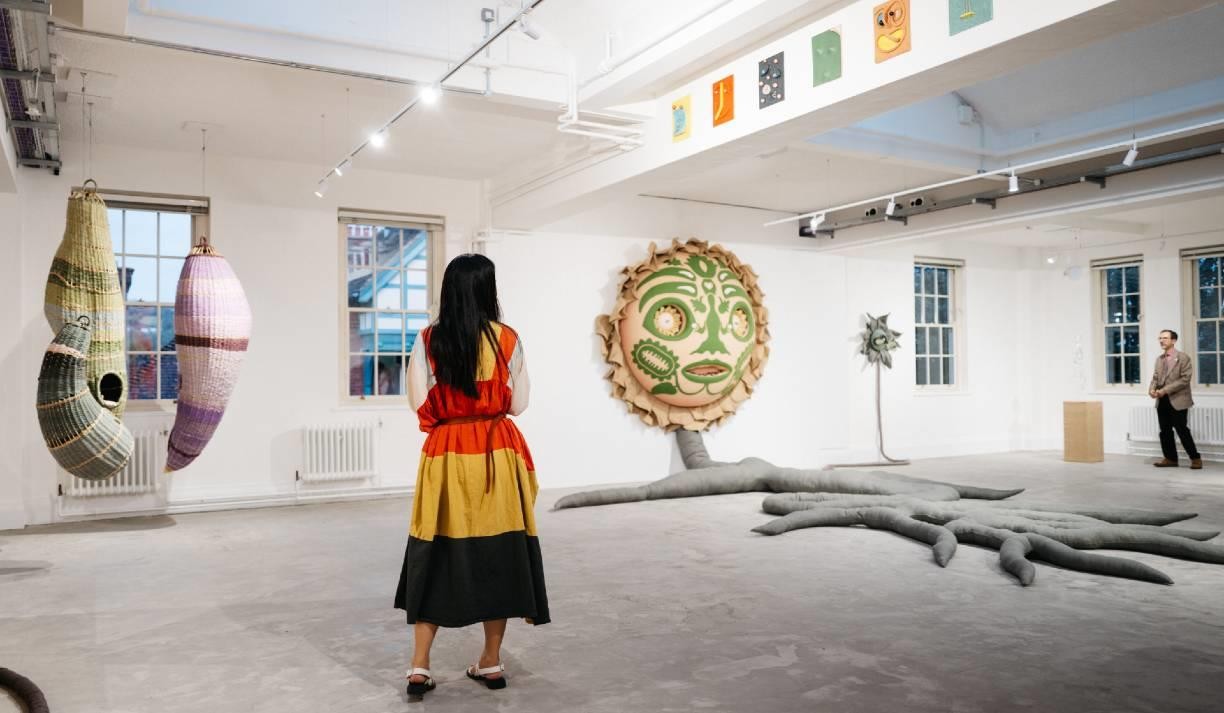
Today, Charleston continues to evolve, ensuring that its historical significance remains in constant conversation with the present. While the core collection celebrates the pioneers of the early twentieth century, the museum also serves as a dynamic cultural center, hosting contemporary exhibitions that explore themes of identity, memory, and social commentary. These modern interventions breathe new life into the historic setting, proving that the radical spirit of the Bloomsbury Group is far from a relic of the past. Through artist-led workshops, lectures, and the celebrated Charleston Festival, the estate remains a fertile ground for new ideas and community engagement.
For the collector seeking rare examples of British modernism or the traveler searching for an authentic encounter with history, Charleston offers something truly unique: an intimacy that is rarely found in grander institutions. It remains a place where art is not merely observed but lived. Whether you are drawn by the allure of its famous murals, the quiet beauty of its gardens, or the intellectual weight of its history, a visit to Charleston is an unforgettable journey into a world where creativity knows no bounds.


