A Tapestry of Norwegian Identity: Unveiling the Bergen Kunstmuseum
Nestled within the vibrant embrace of Bergen, Norway – a city sculpted by seven majestic mountains and steeped in maritime history – lies the Bergen Kunstmuseum. More than simply a repository for artistic treasures, it’s a living chronicle of Norway's evolving soul, a testament to its journey from a nascent natural history institution to a dynamic center for contemporary expression. The museum’s very existence is interwoven with the nation’s narrative; its transformation mirrors a burgeoning national consciousness and an insistent desire to define itself through the power of creative endeavor. A visit here isn’t merely a viewing experience, but an immersion into the heart of Norwegian culture – a place where echoes of industrial heritage resonate alongside the brilliance of artistic vision.
The museum's physical presence is as compelling as its collection. It unfolds across several distinct buildings, each contributing to a layered and fascinating story. Dominating the landscape is the imposing Lysverket power station, a remarkable example of early 20th-century industrial architecture. Remarkably, this once utilitarian structure has been meticulously repurposed as an exhibition space, a bold declaration of Norway’s ability to honor its past while simultaneously embracing innovation. Walking through its cavernous halls, one feels a tangible connection to the nation's industrious roots – the rhythmic clang of machinery giving way to the hushed reverence of art. The juxtaposition is deliberate, a powerful symbol of Norway’s capacity for both pragmatic progress and profound artistic expression. Beyond Lysverket, the museum houses a collection spanning centuries, from the 19th-century Golden Age through to cutting-edge contemporary works.
The Enduring Legacy of Edvard Munch
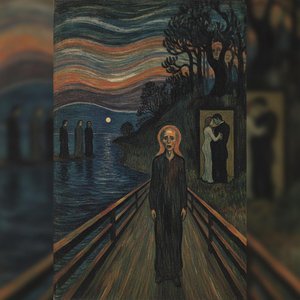
No exploration of the Bergen Kunstmuseum is complete without acknowledging its unparalleled devotion to the work of Edvard Munch. The artist’s profound influence on Norwegian and international art is undeniable, and the museum's collection offers a remarkably intimate portrait of his artistic development. Here, visitors are invited to delve into the emotional depths and psychological complexities that define Munch’s oeuvre – the swirling anxieties, the haunting beauty, and the raw vulnerability that characterize his most iconic images. The museum doesn’t merely showcase these familiar masterpieces; it provides context through a diverse selection of paintings, prints, and drawings, revealing the evolution of his style and offering insights into the personal experiences that fueled his artistic vision.
Beyond *The Scream*, which is represented with several compelling iterations, the collection reveals a deeper understanding of Munch’s work. Early sketches demonstrate his meticulous preparatory process, while later paintings showcase his increasing experimentation with color and form. The museum also highlights lesser-known works, such as his landscapes and portraits, revealing a more nuanced and multifaceted artist than often portrayed. The sheer volume and quality of Munch's holdings within the Bergen Kunstmuseum solidify its position as a crucial center for scholarship and appreciation of this pivotal figure in art history.
A Golden Age and Contemporary Voices
The museum’s holdings extend far beyond Munch, encompassing masterpieces from Norway’s celebrated “Golden Age” – a period of remarkable artistic achievement during the 19th century. This era witnessed an explosion of creativity, fueled by a growing sense of national identity and a desire to capture the beauty of the Norwegian landscape and the lives of its people. Works by artists like Anders Castus Svarstad offer glimpses into this vibrant society, revealing both a realism rooted in everyday life and a romanticism that celebrated the grandeur of nature. These paintings depict scenes of rural life, coastal landscapes, and portraits of ordinary Norwegians, imbued with a sense of pride and connection to their homeland.
However, the Bergen Kunstmuseum isn’t solely anchored in the past. A significant portion of its collection is dedicated to showcasing contemporary Norwegian art, demonstrating that Norway's artistic voice remains dynamic and relevant in the 21st century. The museum actively champions emerging artists, providing a platform for innovative ideas and challenging conventional perspectives. The Rasmus Meyer collection, a cornerstone of the museum’s holdings, adds further depth and historical importance to this diverse tapestry of artistic expression, representing a significant investment in Norway's cultural future.
Beyond the Canvas: Architecture and Community
The Bergen Kunstmuseum is more than just a building filled with art; it’s an integral part of the city’s fabric. Its location within the historic Bryggen district – a UNESCO World Heritage Site – connects it directly to Bergen's rich maritime past. The museum’s architecture, particularly the incorporation of the Lysverket power station, serves as a powerful reminder of Norway’s industrial heritage and its ability to repurpose old structures for new purposes. The museum also plays an active role in the local community, offering educational programs, workshops, and exhibitions that engage visitors of all ages.
Furthermore, Kode Art Museums Of Bergen (a sister institution) offers a complementary experience, exploring contemporary art and design through interactive installations and engaging exhibits. The combined presence of these museums creates a vibrant cultural hub, attracting both local residents and international tourists alike. The Bergen Kunstmuseum invites you to discover not only the beauty of Norwegian art but also the spirit of innovation and community that defines this remarkable city.