A Sanctuary of Renaissance Light: Exploring the Alte Pinakothek
Nestled within Munich’s Kunstareal – a vibrant heart pulsing with artistic legacy – lies the Alte Pinakothek, more than just a museum; it's a meticulously curated journey through the soul of European painting. Established in 1836 by King Ludwig I, this architectural marvel wasn’t conceived as a mere repository for masterpieces, but rather as a deliberate counterpoint to the Gothic Revival style, an assertion of Neoclassical grandeur and intellectual clarity. The Alte Pinakothek stands as a singular monument to the Renaissance and Baroque eras, inviting visitors into a world where light, color, and human emotion converge in breathtaking harmony. Its imposing façade, designed by Leo von Klenze, immediately establishes a sense of solemnity and importance – a deliberate statement against the romantic excesses of its time, while the building’s interior whispers tales of artistic patronage and scholarly devotion.
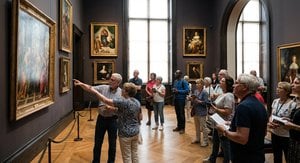
The museum's collection is nothing short of astonishing, encompassing over 600 paintings spanning from the 14th to the 18th centuries. It’s a tapestry woven with the threads of Italian Renaissance humanism, Northern European realism, and Baroque drama. But beyond simply displaying these works, the Alte Pinakothek offers a profound understanding of their historical context – how they were created, who commissioned them, and what they reveal about the societies that produced them. The museum’s curators don't merely present art; they illuminate its significance, encouraging visitors to engage with the intellectual currents and cultural shifts that shaped these extraordinary creations. The building itself, completed in 1836, embodies Ludwig I's ambition for grandeur and his commitment to elevating Bavarian culture. Designed by Leo von Klenze, the Neoclassical style reflects a deliberate rejection of the Gothic Revival that dominated much of European architecture at the time. The soaring halls, high ceilings, and meticulously crafted interiors create an atmosphere of reverence and contemplation – a space designed to showcase art in its most dignified form. The building’s layout is carefully considered, guiding visitors through a chronological journey through European painting history, beginning with the early Italian Renaissance and culminating in the dramatic Baroque period.
Notably, the Alte Pinakothek was one of the first museums to incorporate skylights into its design, flooding the galleries with natural light – a revolutionary concept at the time. This deliberate choice not only enhanced the beauty of the paintings but also symbolized the museum’s commitment to transparency and intellectual enlightenment. The building's robust construction, utilizing thick masonry walls and a sophisticated ventilation system, ensured the preservation of the artworks for generations come. The Alte Pinakothek’s enduring fascination stems from its singular focus on the Renaissance and Baroque eras, presenting an unparalleled opportunity for connoisseurs and scholars alike. Its meticulously preserved collection allows visitors to immerse themselves in the artistic spirit of two pivotal periods—a rare glimpse into the intellectual and aesthetic ideals that shaped Western civilization.
Treasures Within: Highlights of the Collection
Within the Alte Pinakothek’s walls reside masterpieces that have captivated audiences for centuries. Albrecht Dürer’s self-portraits are particularly compelling – not merely portraits but profound studies in psychological depth and masterful draughtsmanship, revealing a keen understanding of human nature through meticulous detail. Rembrandt van Rijn's luminous landscapes, imbued with the dramatic chiaroscuro technique, transport viewers to evocative scenes bathed in light and shadow, capturing the fleeting beauty of nature and the drama of human experience. Sir Peter Paul Rubens’ works are also prominent, including his dynamic “Lion Hunt,” a testament to his mastery of color and composition – a vibrant explosion of energy and movement that embodies the exuberance of the Baroque period. Consider, too, Hendrick Terbrugghen's dramatic compositions, heavily influenced by Caravaggio, creating scenes of intense emotion and psychological depth. Bernhard Strigel’s portraits, characterized by their luminous color and detailed likenesses, offer intimate glimpses into the lives of Bavarian nobility.
The collection also includes works by Jan Brueghel the Elder, Raphael, Titian, and Frans Hals, each contributing to the museum’s comprehensive survey of European painting. A standout example is Rubens' ‘Landscape with a Rainbow,’ a breathtaking depiction of nature’s power and beauty, showcasing his signature use of vibrant color and dynamic composition. And don’t miss Rembrandt’s poignant self-portraits – intimate studies that reveal not just the artist’s physical likeness but also his inner thoughts and emotions. These are just a few glimpses into the vast wealth of artistic treasures housed within the Alte Pinakothek, each piece telling its own unique story.
Architectural Grandeur: A Reflection of Artistic Vision
The Alte Pinakothek’s architecture is inextricably linked to its collection. The building itself, completed in 1836, embodies Ludwig I's ambition for grandeur and his commitment to elevating Bavarian culture. Designed by Leo von Klenze, the Neoclassical style reflects a deliberate rejection of the Gothic Revival that dominated much of European architecture at the time. The soaring halls, high ceilings, and meticulously crafted interiors create an atmosphere of reverence and contemplation – a space designed to showcase art in its most dignified form. The museum’s curators have carefully considered the flow of visitors through the galleries, ensuring that each artwork is presented in the optimal setting to enhance its impact.
Notably, the Alte Pinakothek was one of the first museums to incorporate skylights into its design, flooding the galleries with natural light – a revolutionary concept at the time. This deliberate choice not only enhanced the beauty of the paintings but also symbolized the museum’s commitment to transparency and intellectual enlightenment. The building's robust construction, utilizing thick masonry walls and a sophisticated ventilation system, ensured the preservation of the artworks for generations come. The Alte Pinakothek is more than just a beautiful building; it’s a testament to the power of architecture to enhance and elevate artistic experience.
Notable Exhibitions and Preservation
The Alte Pinakothek is far from a static collection; it's a dynamic institution committed to engaging with contemporary audiences. Regularly hosting temporary exhibitions exploring specific themes or artists, the museum often revisits familiar favorites with fresh perspectives. Currently, a captivating dialogue unfolds between selections from the Neue Pinakothek’s collection and the Alte Pinakothek’s East Wing, fostering stimulating conversations across centuries—a testament to the interconnectedness of artistic traditions. These curated events demonstrate a dedication to continually enriching the visitor experience and highlighting new connections within the broader art historical narrative.
Furthermore, the museum’s history is interwoven with tales of resilience. Following the devastation of World War II, meticulous renovations ensured that future generations could experience these artworks in their full splendor. The commitment to accessibility—including barrier-free access and educational programs—underscores its role as a vital cultural hub. The Alte Pinakothek continues to evolve, embracing new technologies and innovative approaches to engage visitors of all ages and backgrounds.
A Living Legacy: Unique Appeal
The Alte Pinakothek’s enduring fascination stems from its singular focus on the Renaissance and Baroque eras, presenting an unparalleled opportunity for connoisseurs and scholars alike. Its meticulously preserved collection allows visitors to immerse themselves in the artistic spirit of two pivotal periods—a rare glimpse into the intellectual and aesthetic ideals that shaped Western civilization. Visiting this museum isn't merely observing art; it’s participating in a living dialogue with history, fostering appreciation for beauty, innovation, and the profound human impulse to express oneself creatively.
Useful Links:
Useful Content:- Selfportrait alte pinakothek, munich
- Lion hunt Alte Pinakothek, Munich
- Landscape with a Rainbow Alte Pinakothek, München