
Yi Eungro, 1904 – 1989

Yi Eungro Paintings: The 99 Most Famous Works, Ranked

Yi Eungro's most famous painting is Untitled (1969), in the Lee Ungno Museum, Daegu. With Composition (1970) and Composition (1970), it completes the three works everyone recognises. Our catalogue lists 99 works by Yi Eungro; the 99 below are the ones the world looks at most, each with its year, the museum that holds it and why it matters.

Ranked by our popularity score, which combines the searches, visits and orders for each work. Updated October 2026.

Portrait of Yi Eungro
Yi Eungro · 1904 – 1989
Born · died
1904 – 1989, Seoul
Movement
Abstract expressionism
Works in our catalogue
99
Most famous
Untitled (1969)
Most works at
Lee Ungno Museum

The 10 most famous Yi Eungro paintings

The travels of Marco Polo Series (1980) by Yi Eungro
9

The travels of Marco Polo Series

1980 · Painting · Lee Ungno Museum, Daegu

This captivating piece draws its rich thematic wellspring from The travels of Marco Polo Series, a monumental body of work conceived by the masterful Korean-French artist, Yi Eungro. Far more than a mere depiction, this painting functions as a visual memoir—a dreamlike cartography of an unknown world viewed through the sophisticated lens of East Asian perspective meeting European curiosity. The very essence of the series speaks to cultural exchange and…

The travels of Marco Polo Series (1980) by Yi Eungro
10

The travels of Marco Polo Series

1980 · Lee Ungno Museum, Daegu

In the evocative depths of The Travels of Marco Polo Series, we encounter a world where the boundaries between historical chronicle and personal dreamscape dissolve. Created by the master Lee Ungno in 1980, this particular piece serves as a window into a lost narrative—a fragment of a grand, seventy-nine-painting odyssey that was intended for a book never published. This sense of "unseen history" lends the work an aura of profound…

Yi Eungro, paintings 11 to 99

The travels of Marco Polo Series (1980) by Yi Eungro
#11

The travels of Marco Polo Series

1980 · Lee Ungno Museum

The artwork presents a monochrome landscape rendered in black ink on a light, absorbent surface. The composition is defined by a series of triangular forms that suggest the…

The travels of Marco Polo Series (1980) by Yi Eungro
#12

The travels of Marco Polo Series

1980 · Lee Ungno Museum

A Journey Across Horizons: Exploring Lee Ungno’s “The Travels of Marco Polo Series” Lee Ungno (Yi Eungro), born in Seoul in 1904, was a Korean-born French painter and…

The travels of Marco Polo Series (1980) by Yi Eungro
#13

The travels of Marco Polo Series

1980 · Lee Ungno Museum

In the profound stillness of Yi Eungro’s The Travels of Marco Polo Series, we find ourselves transported not merely to a geographical location, but to a dreamscape where…

Composition (1970) by Yi Eungro
#14

Composition

1970 · Lee Ungno Museum

In the evocative masterpiece Composition, created in 1970, the legendary Korean artist Lee Ungno (Yi Eungro) achieves a breathtaking synthesis of Eastern materiality and Western abstraction. This vertical…

The travels of Marco Polo Series (1980) by Yi Eungro
#15

The travels of Marco Polo Series

1980 · Lee Ungno Museum

A Panoramic Vision of Exploration and Harmony: Yi Ungno’s “The Travels of Marco Polo Series” Yi Ungno's "The Travels of Marco Polo Series," painted in 1980, stands as…

Mask (1985) by Yi Eungro
#16

Mask

1985 · Lee Ungno Museum

In the quiet intimacy of Mask, we encounter a profound dialogue between form and raw material. Created in 1985, this evocative sculpture serves as a hauntingly beautiful testament…

Totem (1966) by Yi Eungro
#18

Totem

1966 · Lee Ungno Museum
Face (1964) by Yi Eungro
#20

Face

1964 · Lee Ungno Museum
Totem (1964) by Yi Eungro
#21

Totem

1964 · Lee Ungno Museum
Mask (1965) by Yi Eungro
#23

Mask

1965 · Lee Ungno Museum
People (1967) by Yi Eungro
#26

People

1967 · Lee Ungno Museum
Composition (1968) by Yi Eungro
#27

Composition

1968 · Lee Ungno Museum

In 1967, Lee Ungno was imprisoned for 2 years and 6 months for his involvement in the East Berlin Affair. He suffered most from an inability to continue…

Bamboo (1976) by Yi Eungro
#33

Bamboo

1976 · Lee Ungno Museum

The starting point of Lee Ungno’s artistic world was bamboo, one of the “Four Gracious Plants (Sagunja),” and it was also bamboo that he favored most as a…

City (1974) by Yi Eungro
#62

City

1974 · Lee Ungno Museum
People (1979) by Yi Eungro
#66

People

1979 · Lee Ungno Museum
People (1979) by Yi Eungro
#67

People

1979 · Lee Ungno Museum
People (1979) by Yi Eungro
#68

People

1979 · Lee Ungno Museum
People (1979) by Yi Eungro
#71

People

1979 · Lee Ungno Museum
People (1980) by Yi Eungro
#72

People

1980 · Lee Ungno Museum
People (1980) by Yi Eungro
#73

People

1980 · Lee Ungno Museum
People (1981) by Yi Eungro
#78

People

1981 · Lee Ungno Museum
People (1981) by Yi Eungro
#79

People

1981 · Lee Ungno Museum
People (1981) by Yi Eungro
#80

People

1981 · Lee Ungno Museum
People (1989) by Yi Eungro
#85

People

1989 · Lee Ungno Museum
Composition (1964) by Yi Eungro
#86

Composition

1964 · Lee Ungno Museum

In the evocative realm of mid-century abstraction, few works capture the primal essence of nature as tangibly as Yi Eungro’s Composition. Created in 1964, this masterpiece serves as…

People (1985) by Yi Eungro
#87

People

1985 · Lee Ungno Museum

In the vast, evocative expanse of Yi Eungro’s 1985 masterpiece, "People," we are invited into a profound meditation on the collective human experience. This monumental work, measuring an…

The travels of Marco Polo Series (1980) by Yi Eungro
#88

The travels of Marco Polo Series

1980 · Lee Ungno Museum

This painting is from Goam’s The Travels of Marco Polo Series, which he undertook when asked to produce artworks for a book of that name. The whole series…

The travels of Marco Polo Series (1980) by Yi Eungro
#89

The travels of Marco Polo Series

1980 · Lee Ungno Museum

This painting is from Goam’s The Travels of Marco Polo Series, which he undertook when asked to produce artworks for a book of that name. The whole series…

The travels of Marco Polo Series (1980) by Yi Eungro
#90

The travels of Marco Polo Series

1980 · Lee Ungno Museum

This painting is from Goam’s The Travels of Marco Polo Series, which he undertook when asked to produce artworks for a book of that name. The whole series…

The travels of Marco Polo Series (1980) by Yi Eungro
#91

The travels of Marco Polo Series

1980 · Lee Ungno Museum

This painting is from Goam’s The Travels of Marco Polo Series, which he undertook when asked to produce artworks for a book of that name. The whole series…
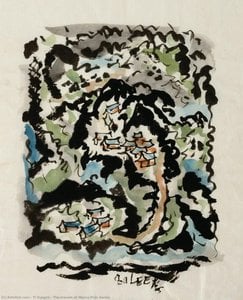
The travels of Marco Polo Series (1980) by Yi Eungro
#92

The travels of Marco Polo Series

1980 · Lee Ungno Museum

This painting is from Goam’s The Travels of Marco Polo Series, which he undertook when asked to produce artworks for a book of that name. The whole series…

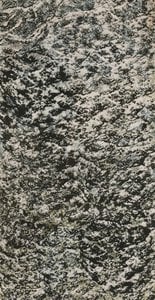
Landscape (1950) by Yi Eungro
#95

Landscape

1950 · Lee Ungno Museum

This painting is an early example that captures Ungno’s major step into abstract art. Although it is still suggestive of specific forms such as tree branches and leaves,…

Composition (1978) by Yi Eungro
#96

Composition

1978 · Lee Ungno Museum

In the 1970s and ‘80s, Lee Ungno produced a lot of print works that were connected with his Abstract Letter or People series in content, while showing diverse…

People (1986) by Yi Eungro
#97

People

1986 · Lee Ungno Museum

Lee Ungno started his People series in 1979 and continued it until his death. In the early series, people appeared as dancing figures in groups, while the Series…

Composition (1972) by Yi Eungro
#98

Composition

1972 · Lee Ungno Museum

A great example of the constructive Abstract Letter works that Lee Ungno made in the 1970s, this painting represents the Chinese character 壽 (soo), meaning ‘life’. The solid…

Composition (1977) by Yi Eungro
#99

Composition

1977 · Lee Ungno Museum

This work, which is linked to Abstract Letter series in content, presents a dramatic contrast between the white background and the red form. Ungno’s print works, except those…

Yi Eungro's paintings by period

The subjects Yi Eungro painted most

The four subjects that return most often among these masterpieces, with the finest example of each.

Where to see Yi Eungro's paintings

The museum that holds the most of the paintings on this page.

Museum City Works by Yi Eungro Paintings from this list
Lee Ungno Museum, DaeguLee Ungno Museum Daegu 99 Untitled, Composition, Composition

Yi Eungro's most famous painting of each decade

  1. 1950s
    Landscape (1950) by Yi Eungro
    No. 95 of 99

    Landscape

    Age 46 – 55 · Lee Ungno Museum

    This painting is an early example that captures Ungno’s major step into abstract art. Although it is still suggestive of specific forms such as tree branches and leaves,…

  2. 1960s
    Untitled (1969) by Yi Eungro
    Rank 1 / 99

    Untitled

    Age 56 – 65 · Lee Ungno Museum
  3. 1970s
    Composition (1970) by Yi Eungro
    Rank 2 / 99

    Composition

    Age 66 – 75 · Lee Ungno Museum
  4. 1980s
    The travels of Marco Polo Series (1980) by Yi Eungro
    No. 9 of 99

    The travels of Marco Polo Series

    Age 76 – 85 · Lee Ungno Museum

    This captivating piece draws its rich thematic wellspring from The travels of Marco Polo Series, a monumental body of work conceived by the masterful Korean-French artist, Yi Eungro.…

Questions about Yi Eungro's paintings

What is Yi Eungro's most famous painting?Show the answer

Untitled (1969), Lee Ungno Museum, Daegu. Next come Composition (1970) and Composition (1970).

How old was Yi Eungro when Untitled was painted?Show the answer

65 years old: Untitled dates from 1969 and Yi Eungro was born in 1904.

What are the top 10 paintings by Yi Eungro?Show the answer

Untitled, Composition, Composition, I Ching 64 Hexagrams Sequence(山風蠱), I Ching 64 Hexagrams Sequence(澤風大過), I Ching 64 Hexagrams Sequence (火風鼎), Untitled, People, The travels of Marco Polo Series and The travels of Marco Polo Series. The ranking above gives the year and the museum of each.

How many paintings did Yi Eungro make?Show the answer

Our catalogue lists 99 works by Yi Eungro, dated from 1950 to 1989.

Where are Yi Eungro's most famous paintings?Show the answer

Most of them are in Lee Ungno Museum (Daegu). The table above lists the museums one by one.

When did Yi Eungro paint the most famous works?Show the answer

In 1970s: 52 of the 99 works on this page date from then, among them Composition.

What are Yi Eungro's earliest and latest famous paintings?Show the answer

The earliest on this page is Landscape (1950), the latest People (1989).

What did Yi Eungro paint most often?Show the answer

Korean art (8), Landscape (5) and Geometric forms (5), among the 99 works on this page.

What medium did Yi Eungro use most?Show the answer

Acrylic On Canvas: 3 of the 99 works on this page.

Which art movement does Yi Eungro belong to?Show the answer

Abstract expressionism, as the paintings on this page show.

Which Yi Eungro paintings can I see at the Lee Ungno Museum?Show the answer

Untitled, Composition and Composition are among the 99 works on this page held by the Lee Ungno Museum, Daegu.

About Yi Eungro

**early life and training**

lee ungno, also known as yi eungro, was a korean-born french painter and printmaker born in séoul, south korea in 1904. his early life was marked by a brief stint at the hongseong botong hakyo (홍성보통학교, 홍城초등학교, 洪城普通學校), after which he dedicated himself to studying painting under yeomjae song tae-hoe from 1920.

**artistic career in korea and japan**

lee ungno's artistic career began in earnest when he moved to seoul in 1922, becoming an apprentice to celebrated calligrapher-painter-photographer haegang kim gyu-jin. he primarily learned to paint the four gentlemen in the 'haegang style.' notably, his inkwash painting of a bamboo, mukjuk (묵죽, 墨竹, ink bamboo), won a prize in the 3rd annual joseon art exhibition. lee ungno consecutively won prizes in the joseon art exhibition throughout the colonial period. however, he believed that eastern ink painters should modernize their style. in the early 1930s, lee began producing inkwash landscapes influenced by new, modern eastern ink painting styles and naturalistic renditions found in western-style paintings.

**international recognition and later life**

after training in traditional inkwash painting in korea from the 1920s to the 1930s, lee gradually experimented with western-style painting techniques in japan. his works from the 1950s showcase creative attempts at merging eastern medium and brushstrokes with western perspective and forms. lee ungno relocated to france in 1958, where he fully established his standing as an abstract artist. he is most known for his series of ink and paper collage, abstract letters, and crowd paintings that developed during his stay in france.
  • view yi eungro's artworks on WahooArt: [https://WahooArt.com/@/yi-eungro](https://WahooArt.com/@/yi-eungro)
  • explore the musée national jean-jacques henner, a museum featuring a vast collection of art pieces, including those inspired by eastern styles: [https://WahooArt.com/@@/a@d3cew9-il-museo-musee-national-jean-jacques-henner-di-parigi-francia](https://WahooArt.com/@@/a@d3cew9-il-museo-musee-national-jean-jacques-henner-di-parigi-francia)
  • discover more about the ilkhanid art movement, which also blends eastern and western influences: /en/art/show/art-d3cq2m-en/
**legacy** lee ungno is credited for forming part of the first generation of korean abstract artists and contributing to the diversification in the use of eastern material in modern and contemporary art. the lee ungno museum, opened in 2007 in daejeon, south korea, preserves, displays, and promotes artworks and materials related to the artist. **sources:** * [https://WahooArt.com/@/yi-eungro](https://WahooArt.com/@/yi-eungro) * [https://en.wikipedia.org/wiki/yi_eungro](https://en.wikipedia.org/wiki/yi_eungro)