
x


Hand-painted oil on canvas in your size and frame, made to order by our artists. ( Buy Print Buy Image)





























Pick from our preset sizes that match the artwork's original proportions.

You may enter your own dimensions to fit a specific frame or space. If your selected size does not match the original image's proportions, we will either crop the artwork or extend the painting with additional hand-painted elements. A digital mockup will be sent for your approval before production begins.
Please note that the on-screen preview does not reflect the actual cropping or extension. Only the mockup will accurately show the final composition.
While custom sizes are available, we recommend selecting a dimension from the predefined list to preserve the original proportions.
Worldwide Delivery () in 3/4 weeks instead of standard 5 weeks. (25 August). No compromise on quality.


Gossips, (painting)
Reproduction Size

William Edward Norton (1843-1916) wasn’t merely a painter; he was an interpreter of the ocean’s moods, a translator of its vastness into meticulously rendered canvases. Born in Boston, his lineage intertwined with the very fabric of maritime life – his family were shipbuilders, and from a young age, Norton spent his days immersed in the sights, sounds, and smells of the harbor. This intimate connection to the sea became the bedrock of his artistic vision, shaping his lifelong pursuit of capturing its essence on canvas. Unlike many artists who sought grand, heroic subjects, Norton focused on the quieter, more contemplative aspects of coastal life – the subtle shifts in light upon the water, the weathered faces of fishermen, and the dignified presence of sailing ships against a dramatic sky.
Norton’s early artistic development was profoundly influenced by George Inness, a prominent American painter known for his atmospheric landscapes and tonalist style. Inness's emphasis on capturing mood and atmosphere rather than precise detail resonated deeply with Norton, guiding him to prioritize the emotional impact of his scenes over photographic realism. He studied at the Lowell Institute in Boston, absorbing Inness’s techniques and developing a distinctive approach characterized by soft gradations of color, diffused light, and a remarkable ability to evoke a sense of depth and tranquility. This influence is particularly evident in works like “Gossips,” a captivating depiction of fishermen mending their nets – the figures are rendered with a gentle softness, blending seamlessly into the hazy coastal background.
Norton’s artistic journey was inextricably linked to his seafaring experiences. He spent several summers on the coast of Maine, a period that proved formative for his artistic development. These voyages weren't merely recreational; they provided him with invaluable firsthand knowledge of coastal landscapes, weather patterns, and the rhythms of maritime life. He sailed on family-owned ships, witnessing firsthand the challenges and rewards of seafaring – experiences he later translated into powerful visual narratives. This direct engagement with the sea instilled in him a deep respect for its power and beauty, as well as an understanding of the lives intertwined with it.
Beyond his personal voyages, Norton’s artistic interests extended to European travel. He spent several years studying in Paris, immersing himself in the vibrant art scene and absorbing the techniques of contemporary masters. This exposure broadened his artistic horizons, introducing him to new approaches to color, composition, and subject matter. His time in Europe allowed him to refine his style and develop a more sophisticated understanding of artistic principles.
William Edward Norton’s legacy extends beyond his individual paintings; he represents a pivotal figure in American marine art, bridging the gap between tonalism and a more direct engagement with the subject matter of coastal scenes. His work continues to resonate with viewers today, offering a poignant reminder of the enduring beauty and power of the sea. His influence can be seen in subsequent generations of seascape artists who sought to capture the emotional essence of coastal landscapes. Norton’s paintings are now housed in prominent collections such as the Museum of Fine Arts, Boston, and the Smithsonian American Art Museum, ensuring that his artistic vision will continue to inspire and captivate audiences for years to come.

1843 - 1916

Explore 25 iconic Edward Hopper paintings & their stories. Discover American realism, urban loneliness, and timeless beauty through his masterpieces. Find museum-quality art reproductions & curated decor ideas at WahooArt.com.
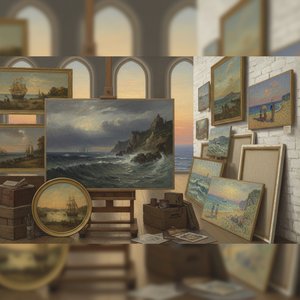
Explore the rich history of coastal scenes in painting! Discover Impressionist masterpieces, American realism & contemporary visions. Learn about renowned artists and find your perfect seascape at WahooArt.
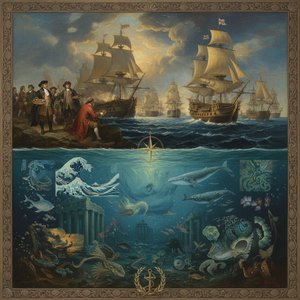
Explore the rich history of marine painting with WahooArt. Discover Dutch Masters, Romantic seascapes & renowned artists like Wyllie and Harris. Expert guidance for collectors & custom reproductions.
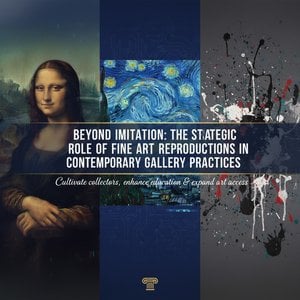
Explore the strategic role of fine art reproductions in today's galleries. Discover how they cultivate collectors, enhance education & expand access to art. Expert insights for discerning buyers and professionals.

Explore the cultural significance of fine art reproduction & its appeal to discerning collectors. Discover how reproductions enhance aesthetics, build collections, and signal status. Expert insights & museum-quality artistry.


Stay updated with the latest art news, exclusive offers, and decoration ideas.
Tell us about your project and our art experts will provide you with 3 personalized art suggestions.
Let Us Curate 3 Options Just for You - Free!

 Preview
 Send
Send Share
Share
 Details

 Download
 Similars
 X-Ray
X-Ray Diaporama
 Read More







 Glass option is only available in size under 110 CM


