
x


 Acrylic On CanvasWallArtEarly Lombard School
 119.0 x 46.0 cm
 Sforza Castle
Hand-painted oil on canvas in your size and frame, made to order by our artists. ( Buy Print Buy Image)





























Pick from our preset sizes that match the artwork's original proportions.

You may enter your own dimensions to fit a specific frame or space. If your selected size does not match the original image's proportions, we will either crop the artwork or extend the painting with additional hand-painted elements. A digital mockup will be sent for your approval before production begins.
Please note that the on-screen preview does not reflect the actual cropping or extension. Only the mockup will accurately show the final composition.
While custom sizes are available, we recommend selecting a dimension from the predefined list to preserve the original proportions.
Worldwide Delivery () in 3/4 weeks instead of standard 5 weeks. (26 August). No compromise on quality.


Saint Theodore
Reproduction Size
Vincenzo Foppa’s “Saint Theodore” is not merely a depiction of a biblical figure; it's an immersion into a world of luminous grace, a testament to the Lombard painter’s mastery of light and his profound understanding of spiritual resonance. The panel, measuring just over 120 by 46 centimeters, feels remarkably intimate despite its modest scale – a carefully contained universe radiating with serenity and quiet contemplation. At first glance, one is drawn to the saint's posture: he stands not in triumphant grandeur, but in thoughtful repose, his gaze directed towards an unseen horizon. This isn’t a warrior or a prophet delivering fiery pronouncements; it’s a man of faith, absorbed in prayer, radiating an inner peace that transcends the limitations of the painted surface.
Foppa, a pivotal figure in the early Lombard school of painting, inherited and brilliantly adapted the traditions of his predecessors while forging a distinctly personal style. His work is deeply rooted in Byzantine iconography, particularly the use of gold leaf and layered drapery, yet he infused it with a remarkable naturalism – a subtle shift towards depicting human form with greater accuracy and emotional depth. “Saint Theodore” exemplifies this synthesis perfectly. The background isn’t a flat, symbolic field; it's a richly textured expanse of golden light, almost tactile in its warmth. This luminosity doesn’t simply illuminate the figure; it seems to emanate from within him, suggesting an inherent holiness.
The technique employed is masterful: tempera and oil on wood, creating a surface that retains both delicate detail and a remarkable sense of depth. Notice how Foppa uses subtle gradations of color – the warm ochres and siennas of the tunic contrasting with the cooler tones of the face – to sculpt form and create an illusion of volume. The folds of the garment aren’t rendered in sharp, precise lines; instead, they flow organically, conveying a sense of movement and drapery that is both realistic and ethereal.
The identity of Saint Theodore depicted here remains somewhat enigmatic. While the panel's origins are uncertain – believed to have once formed part of a larger polyptych – its connection to Pavia, a significant center of early Christian devotion, is undeniable. The saint’s halo, subtly integrated into his headwear, reinforces this association. Historical research suggests that Theodore was particularly venerated in Pavia during Foppa's time, lending credence to the theory that the panel originated from this region.
The figure holding a book is a common attribute of Saint Theodore, symbolizing his role as a scholar and teacher of the Gospels. However, it’s the overall mood of the painting – one of quiet contemplation and spiritual grace – that truly elevates “Saint Theodore” beyond a simple portrait. It invites viewers to pause, reflect, and connect with the timeless themes of faith, humility, and inner peace.
Beyond its historical context, “Saint Theodore” is rich in symbolic meaning. The golden background represents divine illumination, while the figure’s posture suggests a state of prayerful receptivity. The book symbolizes knowledge and wisdom, but it's the saint’s serene expression that truly captures the essence of his faith – a quiet confidence born not from earthly power, but from an intimate connection with the divine. The painting evokes a sense of tranquility and hope, reminding us of the enduring power of faith to transcend suffering and offer solace in times of uncertainty.


1427 - 1515 , Italy

Explore the profound iconography of Saint Jerome through art history's most iconic masterpieces. From Renaissance serenity to Baroque drama, discover how legendary painters captured divine devotion in breathtaking oil paintings and fine art reproductions.

Discover the profound beauty of Saint Artworks. Explore the history, symbolism, and luminous mastery of Renaissance religious masterpieces through an expert art-historical lens.

Embark on a sophisticated journey through art history with our exploration of Saint Peter's most powerful masterpieces. Discover the profound emotional depth and technical brilliance of Renaissance and Baroque icons, curated for the discerning classic art enthusiast.
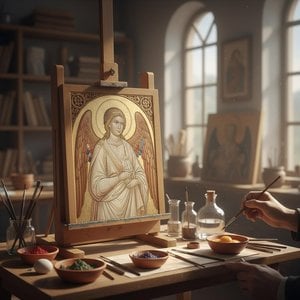
Unveil the sacred secrets of egg tempera on panel. Journey through the technical mastery and profound artistry of the Old Masters, from Giotto to Botticelli. An essential educational guide for Renaissance art enthusiasts seeking deep historical insight and expertise.
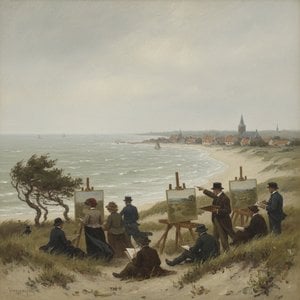
Explore the ethereal beauty of the Hague School art movement. Discover how masters like Jan Weissenbruch captured the atmospheric grey light of the Dutch landscape through unparalleled technique and emotive, misty compositions.


Stay updated with the latest art news, exclusive offers, and decoration ideas.
Tell us about your project and our art experts will provide you with 3 personalized art suggestions.
Let Us Curate 3 Options Just for You - Free!

 Preview
 Send
Send Share
Share
 Details

 Download
 Similars
 X-Ray
X-Ray Diaporama
 Read More







 Glass option is only available in size under 110 CM


