
Hand-painted oil on canvas in your size and frame, made to order by our artists. ( Switch to Print Switch to Digital Image)





























Pick from our preset sizes that match the artwork's original proportions.

You may enter your own dimensions to fit a specific frame or space. If your selected size does not match the original image's proportions, we will either crop the artwork or extend the painting with additional hand-painted elements. A digital mockup will be sent for your approval before production begins.
Please note that the on-screen preview does not reflect the actual cropping or extension. Only the mockup will accurately show the final composition.
While custom sizes are available, we recommend selecting a dimension from the predefined list to preserve the original proportions.
Worldwide Delivery () in 3/4 weeks instead of standard 5 weeks. (24 September). No compromise on quality.


Emperor Jimmu
Reproduction Size
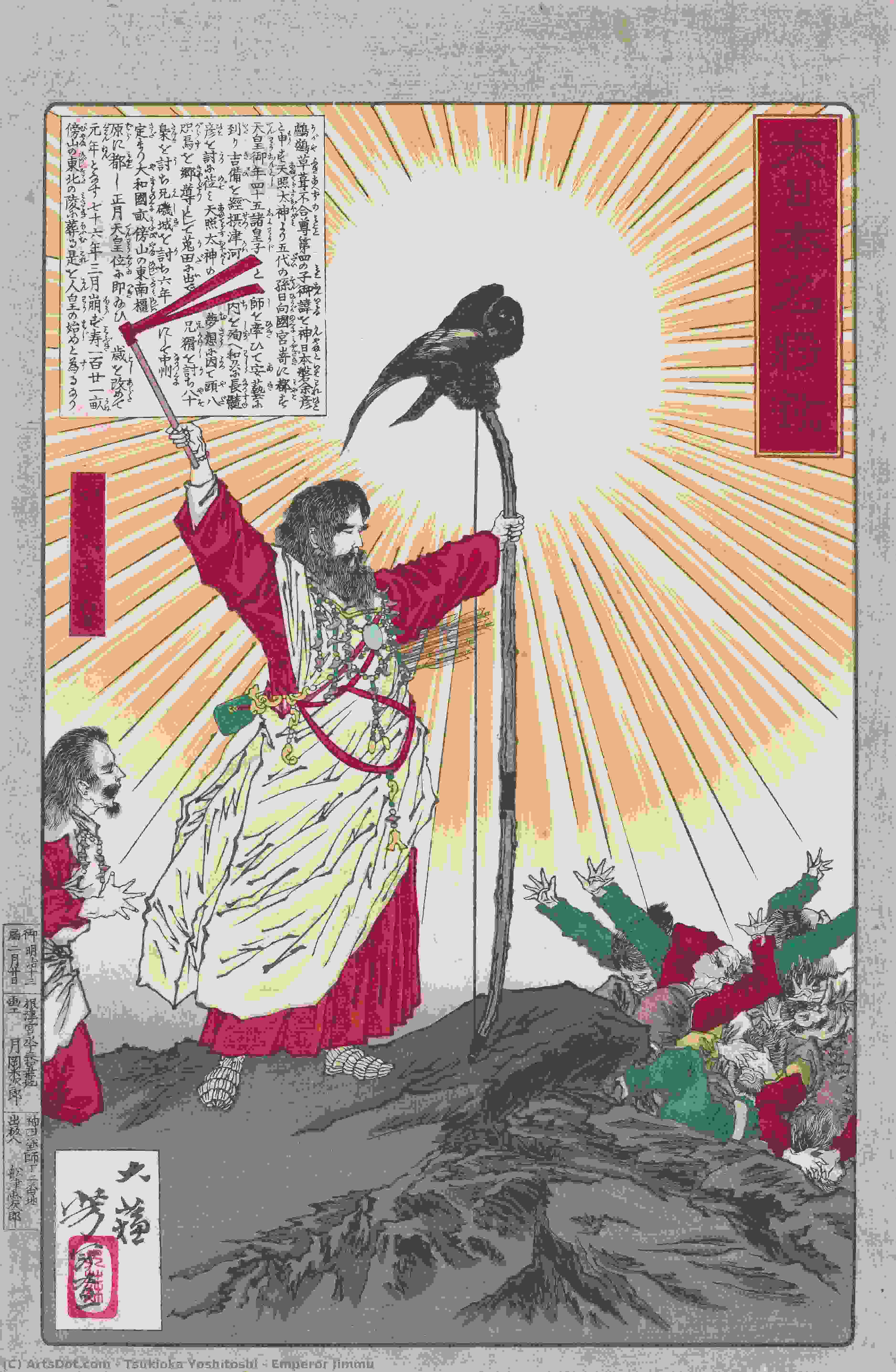
Tsukioka Yoshitoshi, a luminary of Japan’s Edo period (1603-1868), transcends mere artistic representation; he crafts narratives that breathe life into history. “Emperor Jimmu,” showcased as a meticulously crafted oil reproduction on WahooArt.com, isn’t simply a depiction of legend—it's an embodiment of Japan’s enduring spirit and Yoshitoshi’s unparalleled artistic vision.
Yoshitoshi stands as the final bastion of *ukiyo-e*, a movement that revolutionized Japanese art between the 17th and 19th centuries. Unlike its predecessors, which often adhered to strict conventions, *ukiyo-e* embraced dynamism and experimentation—traits vividly captured in prints like “One Hundred Aspects of the Moon” and “The Great Wave Off Kanagawa.” Yoshitoshi’s approach mirrored this ethos; he skillfully blended traditional woodblock printing techniques with groundbreaking stylistic elements, resulting in images that pulsed with energy and emotion.
"Emperor Jimmu" portrays the revered first emperor of Japan—a figure steeped in folklore and considered to be divine. Yoshitoshi’s masterful composition depicts Jimmu standing atop a hill, accompanied by a bird symbolizing wisdom and guidance. The scene is rich with symbolism: Jimmu's posture exudes authority, mirroring the regal bearing of Buddhist saints; his hand firmly grasps a bow adorned with a golden crow—a creature revered for its association with imperial power and divine protection.
Yoshitoshi’s artistic prowess shone through in his meticulous attention to detail. He employed vibrant colors, achieved through layering pigments onto woodblocks, creating textures that convey depth and realism. Furthermore, he skillfully manipulated perspective—a technique rarely explored in earlier *ukiyo-e*—to heighten the dramatic impact of the scene. This innovative approach profoundly influenced subsequent artists, establishing Yoshitoshi as a pivotal figure in Japanese art history.
While this oil reproduction offers a tangible connection to Yoshitoshi’s masterpiece, it's crucial to recognize that true appreciation lies in understanding the artwork’s underlying narrative and emotional resonance. “Emperor Jimmu” transcends mere visual beauty; it encapsulates Japan’s foundational myth—a tale of courage, divine intervention, and the establishment of a glorious kingdom. Like Yoshitoshi’s other celebrated works – including "First Law Enforcer Torii Sun" – this painting invites contemplation on themes of leadership, spirituality, and the enduring power of storytelling.

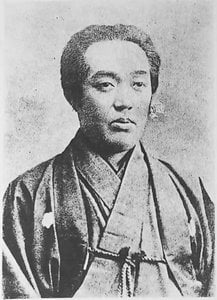
1839 - 1892 , Japan

Embark on a visual journey through the ephemeral beauty of Ukiyo-e. Discover the masters of the floating world, from dynamic warriors to Kabuki legends, and explore the profound cultural legacy of Japanese woodblock printing in this expert guide for art enthusiasts.

Explore the ephemeral beauty of Japanese Ukiyo-e art. From the dynamic warriors of Kuniyoshi to serene landscapes, discover the profound history, masterful techniques, and global influence of these iconic woodblock prints in our deep cultural retrospective.
Explore the profound influence of Japanese artistry on global masterpieces. From Ukiyo-e prints to Zen aesthetics, discover how Eastern elegance transformed Western art history in this deep cultural reflection for fine art enthusiasts and collectors.

Embark on a journey through the 'Floating World' with our expert guide to Ukiyo-e. Discover the profound history, legendary masters like Hokusai and Harunobu, and the enduring influence of Japanese woodblock prints on global art history.

Explore the profound beauty of Japanese Ukiyo-e art. Discover the legacy of Hokusai and the Utagawa school through an expert exploration of Edo-period aesthetics, seasonal motifs, and the enduring global influence of Japan's 'Floating World' on fine art history.

 Preview
 Send
Send Share
Share
 Details
 Guide
Guide

 Download
 Similars
 X-Ray
X-Ray Diaporama
 Stats
Stats
 Read More







 Glass option is only available in size under 110 CM


