Acrylic On CanvasWallArtHigh Renaissance
 1554
1554 346.0 x 24.0 cm
 Prado Museum
Museum-quality giclée or canvas print with fast production and flexible finish options. ( Buy Hand Made Painting Switch to Digital Image)





























Pick from our preset sizes that match the artwork's original proportions.

You may enter your own dimensions to fit a specific frame or space. If your selected size does not match the original image's proportions, we will either crop the artwork or extend the image with a mirrored or solid-fill edge. A digital mockup will be sent for your approval before production begins.
Please note that the on-screen preview does not reflect the actual cropping or extension. Only the mockup will accurately show the final composition.
While custom sizes are available, we recommend selecting a dimension from the predefined list to preserve the original proportions.
Worldwide Delivery () in 2 weeks instead of standard 4/5 weeks. (22 September)


The Trinity in Glory
Reproduction Size
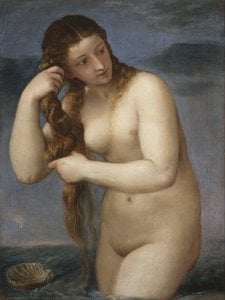
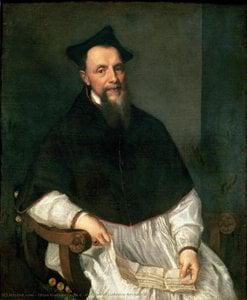
Titian Ramsay Peale II’s “The Trinity in Glory,” completed in 1554, stands as a remarkable testament to the enduring influence of Renaissance artistic ideals within the burgeoning landscape of 19th-century America. More than just a depiction of religious iconography—the central figure of Jesus Christ surrounded by angels and Mary—it embodies a profound engagement with classical aesthetics and scientific observation, reflecting Peale’s unique position as the son of Charles Willson Peale, a titan of early American portraiture.
Beyond its formal beauty, “The Trinity in Glory” reveals Peale’s unwavering dedication to natural history. The inclusion of birds – one perched delicately on a branch near the upper left corner and another positioned prominently at the lower right—highlights his meticulous observation of avian species and their role within the ecosystem. This fascination with botany wasn't merely an academic pursuit; it was interwoven into Peale’s artistic process, informing his compositional choices and enhancing the painting’s overall sense of realism.
"The Trinity in Glory" exemplifies Peale’s ability to synthesize disparate influences—classical artistic principles and scientific inquiry—creating an artwork that transcends its time period. It speaks to a deeper yearning for beauty, order, and understanding – values that continue to resonate with audiences today. Reproductions of this masterpiece offer a captivating glimpse into the artistic spirit of America's formative years, allowing viewers to appreciate the enduring legacy of Venetian Mannerism within the context of American cultural development.


1799 - 1885

Explore the profound beauty of American Regionalism. Delve into the art history of Grant Wood and John Steuart Curry, uncovering how these masters captured the soul of the American Heartland through iconic landscapes and rural identity.

 Preview
 Send
Send Share
Share
 Details
 Guide
Guide

 Download
 Similars
 X-Ray
X-Ray Diaporama
 Stats
Stats Read More







 Glass option is only available in size under 110 CM