Acrylic On CanvasWallArtHigh Renaissance
 1519Renaissance
 179.0 x 207.0 cm
 Treviso Cathedral
Museum-quality giclée or canvas print with fast production and flexible finish options. ( Buy Hand Made Painting Switch to Digital Image)





























Pick from our preset sizes that match the artwork's original proportions.

You may enter your own dimensions to fit a specific frame or space. If your selected size does not match the original image's proportions, we will either crop the artwork or extend the image with a mirrored or solid-fill edge. A digital mockup will be sent for your approval before production begins.
Please note that the on-screen preview does not reflect the actual cropping or extension. Only the mockup will accurately show the final composition.
While custom sizes are available, we recommend selecting a dimension from the predefined list to preserve the original proportions.
Worldwide Delivery () in 2 weeks instead of standard 4/5 weeks. (25 September)


The Annunciation
Reproduction Size
Titian Ramsay Peale II’s “The Annunciation,” painted in 1519, is more than just a depiction of a pivotal religious moment; it's a testament to the enduring power of the High Renaissance aesthetic transplanted onto American soil. Peale II, son of the renowned portraitist Charles Willson Peale, inherited not only an artistic lineage but also a dedication to capturing beauty and meaning with meticulous detail. This painting, measuring 179 x 207 cm, immediately draws the viewer into a scene brimming with reverence and quiet anticipation. The Virgin Mary, kneeling in humble contemplation, forms the heart of the composition, her hands clasped in a gesture of acceptance and grace. The presence of two angels – one boldly approaching, the other receding into the background – suggests a divine messenger bridging the earthly and celestial realms. Three additional figures subtly positioned in the distance hint at the witnessing world, acknowledging the magnitude of the event unfolding before them. A book resting near Mary’s feet likely symbolizes scripture or holy texts, grounding the miraculous within a framework of faith and tradition.
Peale II's artistic journey was deeply rooted in the study of Old Masters, particularly those of the Italian Renaissance. “The Annunciation” clearly demonstrates his embrace of this style – a deliberate choice that set him apart from many of his contemporaries who were exploring distinctly American artistic voices. The composition echoes the works of masters like Fra Angelico and Leonardo da Vinci, with its balanced symmetry, soft modeling of forms, and delicate use of light and shadow. However, Peale II wasn’t simply replicating; he was interpreting through an American lens. Born into a family actively involved in establishing artistic institutions within the newly formed United States, he represented a generation striving to cultivate a sophisticated art scene. His dedication to mastering Renaissance techniques speaks to this ambition – a desire to elevate American artistry by engaging with the established canon of European painting.
The Annunciation itself is laden with symbolic weight. It represents the moment God chose Mary to bear his son, Jesus Christ, initiating the central narrative of Christian faith. The angel’s arrival signifies divine intervention, while Mary's acceptance embodies humility and obedience. Peale II subtly enhances these traditional interpretations through careful attention to detail. The positioning of the figures, their gestures, and even the objects within the scene contribute to a sense of profound spiritual resonance. The serene expressions on the faces of those present suggest not just witnessing but also understanding the significance of this divine encounter. It’s a moment suspended in time, inviting contemplation on themes of faith, destiny, and the miraculous.
For collectors and interior designers alike, “The Annunciation” offers a unique blend of historical depth and aesthetic beauty. Its rich color palette – likely achieved through skillful layering of oil paints on panel or canvas – lends itself to both traditional and contemporary settings. The painting’s scale commands attention without overwhelming a space, making it an ideal focal point for a living room, library, or chapel. A high-quality reproduction from WahooArt.com allows one to experience the artistry and emotional impact of this Renaissance echo within their own home, bringing a touch of timeless elegance and spiritual contemplation to any environment. It’s a piece that invites conversation, inspires reflection, and serves as a beautiful reminder of art's enduring power to transcend time and culture.


1799 - 1885
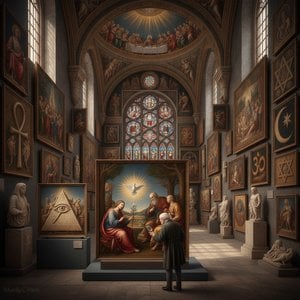
Explore the profound power of religious symbolism in art history. From Renaissance masterpieces to sacred iconography, uncover the hidden meanings behind divine details in a deep dive into classical art excellence.

Embark on a scholarly journey through the sacred beauty of High Medieval art. Discover the profound symbolism, luminous iconography, and spiritual depth of Gothic masterpieces in this expert guide for classical art enthusiasts.

Explore the luminous mastery of Titian. Discover how the Venetian master revolutionized color and light through breathtaking Renaissance techniques, from Venus Anadyomene to profound allegories, and learn to bring this timeless brilliance into your private collection.

 Preview
 Send
Send Share
Share
 Details
 Guide
Guide

 Download
 Similars
 X-Ray
X-Ray Diaporama
 Stats
Stats Read More







 Glass option is only available in size under 110 CM