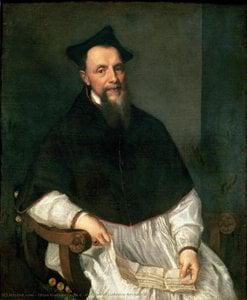
Acrylic On CanvasWallArtHigh Renaissance Echo
 1515
1515 73.0 x 90.0 cm
 Doria Pamphilj Gallery
Hand-painted oil on canvas in your size and frame, made to order by our artists. ( Switch to Print Switch to Digital Image)





























Pick from our preset sizes that match the artwork's original proportions.

You may enter your own dimensions to fit a specific frame or space. If your selected size does not match the original image's proportions, we will either crop the artwork or extend the painting with additional hand-painted elements. A digital mockup will be sent for your approval before production begins.
Please note that the on-screen preview does not reflect the actual cropping or extension. Only the mockup will accurately show the final composition.
While custom sizes are available, we recommend selecting a dimension from the predefined list to preserve the original proportions.
Worldwide Delivery () in 3/4 weeks instead of standard 5 weeks. (10 September). No compromise on quality.


Solome
Reproduction Size
Titian Ramsay Peale II's "Solome," painted in 1515, is not merely a portrait; it’s a carefully constructed tableau brimming with symbolic weight and the echoes of Renaissance grandeur. This arresting image, rendered in rich, vibrant hues, captures King Solomon at a pivotal moment – holding aloft a severed head, an emblem of his absolute power over life and death. Yet, the scene is far from bleak. Two enigmatic women flank the central figure, their presence hinting at deeper layers of meaning woven into Peale’s artistic vision.
Peale, born in Philadelphia in 1799, was profoundly influenced by his father, Charles Willson Peale, a celebrated naturalist and portraitist who established the first public museum in America. This lineage instilled within Titian a deep respect for classical art, particularly Venetian Renaissance painting – a style he masterfully translated to the burgeoning American artistic landscape. Unlike many of his contemporaries who embraced looser brushwork and contemporary subject matter, Peale meticulously replicated the techniques and color palettes favored by artists like Titian and Raphael, creating a visual bridge between Europe’s artistic heritage and the nascent identity of America.
The central image of Solomon holding the severed head immediately commands attention. It's a brutal depiction, yet Peale avoids sensationalism, instead focusing on the solemnity of the act. The detail in Solomon’s expression – a mixture of authority and perhaps even weariness – speaks volumes about the burden of kingship. The choice to present this gruesome image within a carefully composed scene elevates it beyond a simple display of power; it becomes a meditation on mortality, justice, and the responsibilities inherent in leadership. The act itself is not glorified, but presented as an undeniable consequence of Solomon’s reign.
Crucially, the two women positioned on either side of Solomon are more than mere decorative elements. They represent, with compelling subtlety, concepts of wisdom and knowledge. The woman on the left, clad in a striking green gown, embodies growth, fertility, and perhaps even the nurturing aspects of wisdom – qualities often associated with the earth and nature. Conversely, the figure to Solomon’s right, adorned in red, suggests passion, strength, and potentially the more assertive or strategic facets of understanding. Their placement creates a dynamic equilibrium, suggesting that true leadership requires both the grounded stability of wisdom and the fiery drive of knowledge.
Peale’s masterful technique is evident in every brushstroke. He employed a meticulous layering of glazes to achieve the painting's luminous quality and rich color depth, hallmarks of Venetian Renaissance painting. The use of chiaroscuro – the dramatic contrast between light and shadow – further emphasizes Solomon’s figure and adds to the scene’s overall intensity. The composition itself is carefully balanced, drawing the viewer’s eye directly to the central subject while subtly guiding it through the surrounding symbolism.
Painted in 1515, “Solome” reflects a period of significant cultural exchange between Europe and America. The influx of European artistic ideas during this time profoundly shaped the development of American art. Peale’s dedication to replicating Renaissance techniques demonstrates his commitment to preserving and adapting these classical ideals within a new context. The painting stands as a testament to the enduring power of artistic tradition, skillfully interwoven with the unique spirit of early America.
WahooArt’s meticulously crafted reproduction of “Solome” captures the essence of Peale's original masterpiece. Printed on archival-quality canvas using state-of-the-art digital printing technology, this artwork offers exceptional color accuracy and detail, faithfully recreating the painting’s dramatic lighting and nuanced symbolism. Whether adorning a grand salon or a more intimate space, “Solome” is sure to be a captivating focal point, sparking conversation and inviting contemplation on themes of power, wisdom, and mortality. It's an investment in art history, a window into a pivotal moment in American artistic development, and a stunning addition to any discerning collection.


1799 - 1885

Explore the profound beauty of American art history. From the Hudson River School to iconic landscapes, discover a curated journey through the masterpieces that defined a nation's spirit and the enduring legacy of American Romanticism.

Explore the profound beauty of American Regionalism. Delve into the art history of Grant Wood and John Steuart Curry, uncovering how these masters captured the soul of the American Heartland through iconic landscapes and rural identity.

 Preview
 Send
Send Share
Share
 Details

 Download
 Similars
 X-Ray
X-Ray Diaporama
 Stats
Stats Read More







 Glass option is only available in size under 110 CM