Museum-quality giclée or canvas print with fast production and flexible finish options. ( Buy Hand Made Painting Switch to Digital Image)





























Pick from our preset sizes that match the artwork's original proportions.

You may enter your own dimensions to fit a specific frame or space. If your selected size does not match the original image's proportions, we will either crop the artwork or extend the image with a mirrored or solid-fill edge. A digital mockup will be sent for your approval before production begins.
Please note that the on-screen preview does not reflect the actual cropping or extension. Only the mockup will accurately show the final composition.
While custom sizes are available, we recommend selecting a dimension from the predefined list to preserve the original proportions.
Worldwide Delivery () in 2 weeks instead of standard 4/5 weeks. (8 September)


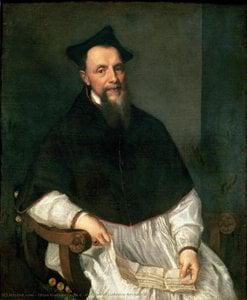
Saint Peter
Reproduction Size
Titian Ramsay Peale II's charcoal drawing, "Saint Peter," is not merely a portrait; it’s an intimate encounter with raw emotion. Completed in 1518, this piece transcends the typical devotional subject matter, offering instead a deeply personal and unsettling portrayal of the apostle’s suffering. The work immediately commands attention through its dramatic composition – Saint Peter is positioned slightly off-center, creating a dynamic imbalance that mirrors his internal turmoil. It's a study in controlled chaos, where every line vibrates with an intensity rarely seen in earlier depictions of this iconic figure.
Peale’s masterful use of charcoal establishes a palpable sense of texture and volume. Thick, dark strokes define the contours of Peter’s body and face, while lighter, broken lines suggest the folds of his drapery and the delicate planes of his features. This layering creates an almost sculptural quality, drawing the viewer into the figure's physicality. The artist doesn’t shy away from depicting vulnerability; the slumped posture, the furrowed brow, and the downward gaze all speak to a profound sense of grief or perhaps even penitence. The overall effect is one of arresting honesty – a rare glimpse into the soul of a biblical hero.
To fully appreciate “Saint Peter,” it's crucial to understand Titian Ramsay Peale II’s artistic lineage. Born in Philadelphia in 1799, he was the youngest son of Charles Willson Peale, a pivotal figure in early American art and founder of the first museum in America. This familial connection firmly rooted Peale within the traditions of the High Renaissance, particularly those emanating from Venice – a region renowned for its dramatic chiaroscuro (the use of strong contrasts between light and dark) and its emphasis on emotional expression. Peale wasn’t simply replicating Venetian techniques; he was channeling a profound artistic sensibility inherited from his father, imbuing his canvases with a meticulous detail and vibrant color palette that set him apart from many of his contemporaries.
The late 18th and early 19th centuries in America were a period of rapid change and burgeoning national identity. Artists like Peale sought to establish their own distinct artistic voices while simultaneously engaging with the classical ideals of Europe. “Saint Peter” exemplifies this tension – a work that is both deeply rooted in Renaissance tradition and uniquely American in its emotional intensity and psychological depth. His father’s legacy loomed large, but Titian forged his own path, one deeply rooted in the aesthetic ideals of the High Renaissance.
Beyond its technical brilliance, “Saint Peter” is rich with symbolic meaning. The apostle's posture – slumped, almost defeated – immediately conveys a sense of anguish or profound sorrow. The downward gaze suggests introspection and perhaps even regret. The hands, clasped tightly together, speak to a struggle for inner peace or a plea for divine forgiveness. These gestures are not merely decorative; they are carefully orchestrated to communicate a complex range of emotions.
Furthermore, the use of light and shadow is deliberately theatrical. The unseen source of illumination casts deep shadows across Peter’s face and body, emphasizing his vulnerability and intensifying the emotional impact of the scene. This dramatic lighting echoes the conventions of Renaissance portraiture, where artists often used chiaroscuro to heighten the psychological drama of their subjects. The overall composition suggests a moment of intense prayer or supplication – a desperate plea for mercy in the face of overwhelming adversity.
The choice of medium—charcoal on paper—is integral to the work’s expressive power. Peale expertly manipulates the charcoal, creating a remarkable range of textures and tonal values. The dense black areas suggest solidity and weight, while the lighter, broken lines create an illusion of volume and depth. This technique is particularly evident in the rendering of the drapery, which appears both fluid and substantial. The grainy texture of the charcoal itself adds to the work’s raw emotional quality – it feels as though we are witnessing a fleeting moment captured on paper.
The piece isn't striving for photographic realism; instead, it prioritizes capturing the *essence* of the figure—its vulnerability, its anguish, and its profound humanity. It is a sketch, a study in emotion, a testament to Peale’s ability to distill complex feelings into a single, powerful image.


1799 - 1885

Explore the profound iconography of Saint Jerome through art history's most iconic masterpieces. From Renaissance serenity to Baroque drama, discover how legendary painters captured divine devotion in breathtaking oil paintings and fine art reproductions.

Embark on a sophisticated journey through art history with our exploration of Saint Peter's most powerful masterpieces. Discover the profound emotional depth and technical brilliance of Renaissance and Baroque icons, curated for the discerning classic art enthusiast.

Elevate your artistry with this definitive expert guide to mastering charcoal. Designed for art students, learn professional techniques for capturing profound depth, intricate textures, and dramatic shadows through advanced blending and chiaroscuro methods.

Explore the luminous mastery of Titian. Discover how the Venetian master revolutionized color and light through breathtaking Renaissance techniques, from Venus Anadyomene to profound allegories, and learn to bring this timeless brilliance into your private collection.

Discover the profound beauty of Saint Artworks. Explore the history, symbolism, and luminous mastery of Renaissance religious masterpieces through an expert art-historical lens.

 Preview
 Send
Send Share
Share
 Details

 Download
 Similars
 X-Ray
X-Ray Diaporama
 Stats
Stats

 Read More







 Glass option is only available in size under 110 CM