Preview AR preview Switch to Print Switch to Digital Image Send
Details Guide Add to favorites Download Similars X-Ray Diaporama Stats

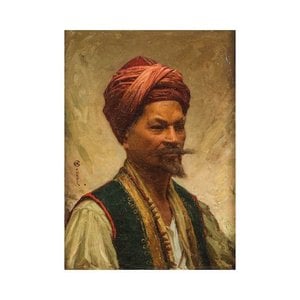
Plink-a-Plong

Experience the warm colors and delicate portraiture of Thomas William Roberts' 1893 masterpiece, Plink-a-Plong; bring this Australian art beauty home today.

Discover the evocative landscapes of Thomas William Roberts (1856-1931), a British artist known for his detailed watercolors & scenes of rural England, capturing Dorset's beauty.

Hand Made Oil Reproduction

Hand-painted oil on canvas in your size and frame, made to order by our artists. ( Switch to Print Switch to Digital Image)

Corner sample of the P118B picture frame: moulded polystyrene, 5 cm wide and 3 cm thick
P118B $10
Corner sample of the P118H picture frame: moulded polystyrene, 5 cm wide and 3 cm thick
P118H $10
Corner sample of the P118W picture frame: moulded polystyrene, 5 cm wide and 3 cm thick
P118W $10
Corner sample of the P438Z picture frame: moulded polystyrene, 5.5 cm wide and 3.5 cm thick
P438Z $10
Corner sample of the P508JH picture frame: moulded polystyrene, 7 cm wide and 3.5 cm thick
P508JH $12
Corner sample of the P508YH picture frame: moulded polystyrene, 7 cm wide and 3.5 cm thick
P508YH $12
Corner sample of the P805H picture frame: moulded polystyrene, 5 cm wide and 3.5 cm thick
P805H $10
Corner sample of the P805Z picture frame: moulded polystyrene, 5 cm wide and 3.5 cm thick
P805Z $10
Corner sample of the P919BZ picture frame: moulded polystyrene, 7 cm wide and 3.5 cm thick
P919BZ $10
Corner sample of the P919G picture frame: moulded polystyrene, 7 cm wide and 3.5 cm thick
P919G $10
Corner sample of the P919XJ picture frame: moulded polystyrene, 7 cm wide and 3.5 cm thick
P919XJ $10
Corner sample of the P959ZH picture frame: moulded polystyrene, 5 cm wide and 3 cm thick
P959ZH $10
Corner sample of the P968JZ picture frame: moulded polystyrene, 6 cm wide and 4 cm thick
P968JZ $12
Corner sample of the W106C picture frame: solid wood, 5 cm wide and 3 cm thick
W106C $8
Corner sample of the W218G picture frame: solid wood, 5 cm wide and 3 cm thick
W218G $10
Corner sample of the W218JH picture frame: solid wood, 5 cm wide and 3 cm thick
W218JH $8
Corner sample of the W218Y picture frame: solid wood, 5 cm wide and 3 cm thick
W218Y $10
Corner sample of the W307PJ picture frame: solid wood, 6 cm wide and 3 cm thick
W307PJ $10
Corner sample of the W316G picture frame: solid wood, 6 cm wide and 3 cm thick
W316G $10
Corner sample of the W316PJ picture frame: solid wood, 6 cm wide and 3 cm thick
W316PJ $8
Corner sample of the W316Y picture frame: solid wood, 6 cm wide and 3 cm thick
W316Y $10
Corner sample of the W398PJ picture frame: solid wood, 5 cm wide and 3 cm thick
W398PJ $8
Corner sample of the W4111J picture frame: solid wood, 6.5 cm wide and 3.5 cm thick
W4111J $10
Corner sample of the W500HY picture frame: solid wood, 7 cm wide and 5 cm thick
W500HY $15
Corner sample of the W500JH picture frame: solid wood, 7 cm wide and 5 cm thick
W500JH $15
Corner sample of the W692G picture frame: solid wood, 8 cm wide and 4 cm thick
W692G $12
Corner sample of the W849H picture frame: solid wood, 5 cm wide and 3 cm thick
W849H $8
Corner sample of the W940BG picture frame: solid wood, 7.5 cm wide and 4.5 cm thick
W940BG $15
Corner sample of the W953PJ picture frame: solid wood, 6 cm wide and 3.5 cm thick
W953PJ $8

Standard
custom
CM
INCH

Pick from our preset sizes that match the artwork's original proportions.

width
height

Type the width and the height you need, to fit your frame or your wall. This is hand-painted, so for a size with a different shape the artist can paint a bit more around the picture, or cut a bit — you choose. We send you a digital mockup to approve before the painting starts. The picture shown on this page does not show the real result — only the mockup does.

Examples of what can be changed: Replace face with customer photo; Add pet (e.g., replace cat with dog); Include hidden message in background; Change background landscape or elements.
After order, WahooArt.com team will email client for instructions and provide a mockup preview

Worldwide Delivery () in 3/4 weeks instead of standard 5 weeks. (25 October). No compromise on quality.

Free Worldwide Express Shipping
High-Quality Linen Canvas
Full Shipping Insurance
Customs Tax Refund Guarantee
True Color Matching Guarantee
100-Day Return Policy (Defects Only)
100% Money-Back Guarantee
Bulk Discount Offer

Total Price

$ 272

Plink-a-Plong

Reproduction Medium

Reproduction Size

-

Total Price

$ 272

Quick Facts

  • Subject or theme: Woman playing a musical instrument
  • Year: 1893
  • Medium: Oil on canvas
  • Artistic style: Australian art

Art Quiz

There is only one correct answer for each question.

Question 1:
Who is the artist of the painting 'Plink-a-Plong'?
Question 2:
In what year was the painting 'Plink-a-Plong' created?
Question 3:
What medium is the painting 'Plink-a-Plong'?
Question 4:
Where is the painting 'Plink-a-Plong' currently housed?
Question 5:
What is a notable characteristic of Thomas William Roberts' painting style?

The Luminous Echoes of Australian Life

To gaze upon Thomas William Roberts' Plink-a-Plong is to step directly into a sun-drenched moment of late Victorian leisure, a scene imbued with the gentle resonance of music and companionship. This exquisite oil on canvas, dating from 1893, captures more than just a portrait; it arrests time itself. The central figure, gracefully poised as she plays what appears to be a zither or guitar-like instrument, embodies an effortless artistry. Her long hair, neatly gathered into a bun, frames a countenance that speaks of quiet engagement—a delicate interplay between concentration and serene pleasure. Roberts masterfully directs our attention to her hands, the very conduits through which the unseen melody flows, suggesting a depth of feeling woven into every plucked string.

A Tapestry of Warmth and Connection

What elevates Plink-a-Plong beyond a mere depiction is the palpable atmosphere Roberts conjures. The artist employs a palette rich with warm colors—ochres, soft golds, and deep earth tones—that wrap the entire composition in a cozy, inviting embrace. This warmth suggests not only the time of day but perhaps the enduring spirit of community itself. Yet, the scene’s narrative complexity is deepened by the subtle inclusion of two other figures lingering in the background. They are observers, participants, or perhaps simply witnesses to this musical interlude. Their presence adds a vital layer of depth, transforming what could be a simple portrait into a rich tableau vivant, hinting at shared stories and collective joy.

Mastery of Technique and Light

Roberts’ technique in this piece is a testament to his skill as an observer and painter. One can almost feel the delicate brushstrokes beneath the surface; they are both bold enough to define form and fine enough to capture the subtle sheen on skin or the texture of fabric. The way light interacts with the subjects—highlighting the curve of the instrument, catching in the woman's expression—is breathtaking. It is a study in controlled luminosity. For those considering bringing this ambiance into their own space through a reproduction, understanding this technical finesse is key; it speaks to an original commitment to capturing fleeting moments with enduring quality.

Echoes for the Modern Collector

The appeal of Plink-a-Plong transcends its historical context. It speaks to universal themes: the solace found in art, the beauty of shared experience, and the quiet dignity of performance. For the discerning collector or interior designer, this piece offers an immediate infusion of cultured elegance. Reproductions allow admirers worldwide to possess a tangible connection to Australian artistic heritage. Owning a hand-painted rendition is not just acquiring artwork; it is curating a mood—a sophisticated corner bathed in the imagined glow of music and friendship.

Questions & Answers

Is there a slideshow for "Plink-a-Plong" by Thomas William Roberts?

"Plink-a-Plong" by Thomas William Roberts can be viewed as a slideshow on the artwork's Diaporama page.

How is "Plink-a-Plong" situated historically?

Historically, "Plink-a-Plong" is an Academic Realism work of the broader 19th-Century era.

How do medium and movement combine in "Plink-a-Plong"?

"Plink-a-Plong" is made in oil on canvas, in the Academic Realism style.


Artist Biography

Early Life and Formation in Two Worlds

Thomas William Roberts, born on March 9th, 1856, in the quiet Dorset town of Dorchester, England, embarked on a journey that would see him become a pivotal figure in Australian art. His early life was marked by a sense of transience; his father, Richard Roberts, a printer and journalist, moved the family frequently seeking work. This instability culminated in the death of Richard when Tom was just thirteen, forcing his mother, Matilda Agnes Cela Evans, to make the courageous decision to emigrate with her children to Melbourne, Australia, in 1869. Though initially struggling financially, Matilda’s determination ensured young Tom received some education at Dorchester Grammar School before their departure—a foundation that would later inform his artistic vision. The move to Australia was not merely a change of location but a shift into a world brimming with new light, colors, and landscapes that would profoundly shape the artist he became. He initially took on work as a photographer’s assistant, an experience which honed his observational skills and understanding of composition—skills that would prove invaluable in his later paintings.

Embracing Impressionism and Defining a National Identity

Roberts' formal artistic training began at the Collingwood and Carlton artisans' schools of design, followed by studies at the National Gallery School under Thomas Clark. However, it was his time at the Royal Academy in London (1881-1884) that truly exposed him to the burgeoning Impressionist movement sweeping Europe. Returning to Melbourne in 1885, Roberts became a driving force behind what would become known as the Heidelberg School—often referred to as Australian Impressionism. He wasn’t simply importing European styles; he was determined to forge an artistic language uniquely suited to the Australian experience. Alongside fellow artists Frederick McCubbin, Arthur Streeton, and Charles Conder, Roberts established artist camps in places like Box Hill, fostering a collaborative environment where they could paint *en plein air*, directly from nature. This dedication to capturing the fleeting effects of light and atmosphere on the distinctly Australian bushland was revolutionary. The 1889 “9 by 5 Impression Exhibition,” featuring small works painted on cigar box lids, was a bold statement—a rejection of academic conventions and an embrace of immediacy and national subject matter.

Landscapes of Labor and Life

Roberts’ most celebrated paintings are those that capture the essence of Australian life in the late 19th century. Works like Shearing the Rams (1890) and A Break Away! (1891) aren't merely depictions of rural scenes; they’re powerful narratives celebrating the dignity of labor, the vastness of the outback, and a growing sense of national identity. Shearing the Rams, in particular, is considered an iconic image of Australian pastoral life—a dynamic composition filled with energy and movement, depicting shearers at work on a sprawling sheep station. His use of light and color wasn’t simply aesthetic; it was employed to convey the harshness and beauty of the landscape, and the resilience of those who worked within it. Beyond these grand narratives, Roberts also excelled in portraiture, capturing the character and spirit of his subjects with sensitivity and skill. Miss Florence Greaves (1898) exemplifies his ability to create intimate and evocative portraits that reveal a deep understanding of human psychology.

A Legacy Forged in Paint and Advocacy

Roberts’ influence extended far beyond his own canvases. He was a tireless advocate for the establishment of a national art culture in Australia, pushing for the creation of institutions dedicated to supporting local artists. In 1903, he completed The Big Picture, a monumental work commissioned to depict the opening of the first Australian Parliament—a project that cemented his position as a leading figure in shaping Australia’s visual identity. This ambitious undertaking was not without its challenges, but it stands as a testament to Roberts' commitment to documenting and celebrating the nation’s history. He encouraged other artists to embrace uniquely Australian themes and styles, fostering a generation of painters who would continue to build upon his legacy. Though he faced periods of financial hardship and critical debate throughout his career, Tom Roberts remained steadfast in his vision—a vision that ultimately transformed the landscape of Australian art, leaving an enduring mark on the nation’s cultural consciousness. He died in 1931, but his paintings continue to resonate with audiences today, offering a powerful glimpse into the heart and soul of Australia.
Thomas William Roberts

Thomas William Roberts

1856 - 1931 , United Kingdom

Quick Facts

  • Full Name: Thomas William Roberts
  • Nationality: British-Australian
  • Date Of Birth: 1856
  • Date Of Death: 1931
  • Place Of Birth: Dorchester, United Kingdom
  • Notable Artworks:
    • A Mountain Muster
    • Poppies
    • Miss Florence Greaves
    • Shearing the Rams
  • Artistic Movement Or Style: Impressionism
  • Artists Who Influenced This Artist:
    • Louis Buvelot
    • Eugen von Guerard
    • Whistler
  • Artists Or Movements Influenced By This Artist:
    • Heidelberg School
    • Australian Impressionism
Explore artworks organized by themes, styles, and characteristics.