

 Oil On PanelWallArtBaroque
 1653Early Modern
 63.0 x 80.0 cm
 Koninklijk Museum voor Schone Kunsten
Museum-quality giclée or canvas print with fast production and flexible finish options. ( Buy Hand Made Painting Switch to Digital Image)





























Pick from our preset sizes that match the artwork's original proportions.

Type the width and the height you need, to fit your frame or your wall. A print can only be cut, never made bigger than the picture, so a size with a different shape loses a part of the image. We send you a digital mockup to approve before we print anything. The picture shown on this page does not show the real cut — only the mockup does.
Worldwide Delivery () in 2 weeks instead of standard 4/5 weeks. (27 October)
Fruit
Reproduction Size
In the quiet, shadowed corners of the seventeenth century, few masters could capture the ephemeral beauty of nature with as much grace as Théodoor Van Aenvanck. His painting, Fruit, serves as a breathtaking window into the opulent spirit of the Antwerp School. Created in 1653, this oil on panel work is far more than a mere arrangement of produce; it is a carefully choreographed dance of light and texture. As one gazes upon the composition, the eye is immediately drawn to the vibrant reds and greens of scattered apples, which seem to emerge from the velvety darkness of the background. The artist employs a masterful use of chiaroscuro, allowing light to graze the curved surfaces of the fruit, lending them a three-dimensional weight that makes them appear almost tangible to the touch.
The arrangement is both bountiful and balanced, featuring a basket overflowing with harvest riches that suggests a sense of prosperity and natural plenty. Interspersed among the heavy, ripe forms are delicate leaves, their varied shapes and sizes adding a layer of organic complexity and depth to the scene. This meticulous attention to detail—the subtle glisten on a fruit's skin and the soft shadows cast by a leaf—demonstrates Van Aenvanck’s profound ability to translate the physical world into a sensory experience that resonates with the viewer long after the first glance.
To appreciate Fruit is to appreciate the technical virtuosity of the Flemish tradition. Van Aenvanck utilized sophisticated glazing techniques to achieve a luminous quality, allowing light to penetrate the upper layers of paint and reflect back, creating an inner glow within the fruit itself. This method is particularly evident in the way he renders the fleshy textures of the apples and the subtle tonal gradations across the composition. The dark, atmospheric background is not merely empty space but a vital element that pushes the subject forward, creating a dramatic stage for the play of light.
For the discerning collector or interior designer, this piece offers an unparalleled opportunity to introduce a sense of classical sophistication and quiet drama into a living space. The painting’s ability to evoke both the richness of the Dutch Golden Age and a serene, meditative atmosphere makes it a versatile masterpiece for high-end decor. Whether placed in a sunlit gallery or a moody, contemporary study, the work commands attention through its understated elegance and its profound celebration of life's simplest, most beautiful offerings. Owning a high-quality reproduction of such a work allows one to preserve this historical moment of perfection, bringing the tactile beauty of 1653 into the modern era.
Yes - the artwork is kept in the artist's home country. "Fruit" is held in Belgium, while Théodoor Van Aenvanck was born in Belgium.
The recommended space for "Fruit" by Théodoor Van Aenvanck is a dining room. The suggestion can of course be adapted to your interior.
Behind "Fruit" stand Théodoor Van Aenvanck and the Baroque movement.


1633 - 1690 , Belgium

Discover the timeless elegance of bountiful fruit still lifes. From Baroque chiaroscuro to Impressionist light, explore how museum-quality oil reproductions and bespoke commissions can elevate your luxury interior with historical grandeur and unparalleled craftsmanship.
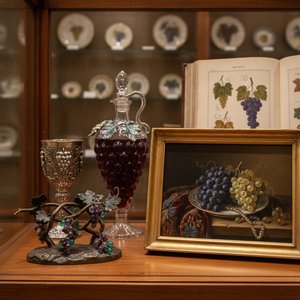
Embark on a visual journey through the world's most exquisite grape-themed masterpieces. Discover the technical brilliance of Baroque masters and learn how to curate timeless, hand-painted oil reproductions for your luxury collection with WahooArt.com.

Immerse yourself in the dramatic world of Francisco de Zurbarán. Explore 25 iconic Spanish Baroque masterpieces defined by intense tenebrism and spiritual realism. Find inspiration for museum-quality art reproductions and decor. Discover all masterpieces on WahooArt.com.

Journey through history with 10 legendary oil on panel masterpieces. From Renaissance wonders to iconic movements, explore the stories behind these timeless works and find museum-quality art reproductions for your decor. Discover all masterpieces on WahooArt.com.

Explore the profound beauty of fruit arrangement masterpieces. From Dutch Golden Age opulence to Baroque chiaroscuro, discover the art history, symbolism, and timeless elegance of classical still life paintings for the discerning collector.

 Preview
 Send
Send Share
Share
 Details
 Guide
Guide

 Download
 Similars
 X-Ray
X-Ray Diaporama
 Stats
Stats Read More









 Glass option is only available in size under 110 CM


