WatercolorWallArtCubist influences
 Modern
 37.0 x 53.0 cm
 Royal Scottish Academy of Art - Architecture
Purchase a high-resolution, enhanced digital image, far superior to the online preview.
Each file is meticulously prepared by our in-house specialists using advanced tools and expert manual retouching. We ensure every image has exceptional clarity, precise color accuracy, and fine detail.
The final file is delivered via email within 72 hours, optimized for immediate use in professional, editorial, and print environments. This is the same quality trusted by top-tier design studios, publishers, and galleries.
Download a high-resolution file for personal display, printing, and creative projects. ( Switch to Print Buy Hand Made Painting)
When you choose WahooArt.com, you're not just getting an image - you're receiving a professionally enhanced digital artwork, crafted with precision and backed by a satisfaction guarantee. Here's everything that comes with your order, automatically:

Your high-resolution digital image file will be emailed to you within 72 hours of ordering - ready for immediate use.

Your artwork is professionally optimized using advanced AI tools and manual editing, ensuring maximum detail, clarity, and color accuracy.

Accidentally deleted or lost your file? No worries - we'll resend it to you anytime, free of charge.

Enjoy your artwork instantly with zero customs, duties, or delivery fees - digital downloads are always tax-free.

We ensure your digital image reflects the original colors as closely as possible using professional tools and color management.

If you're not satisfied with your digital image, we'll revise it or refund 100% within 100 days - no questions asked.

Not satisfied? Get a full refund within 100 days of receiving your digital file - no questions asked.

Buy 3 images, save 10% - Buy 5, save 15% - Buy 10+, save 20%. Great for creative projects, galleries, and agencies.
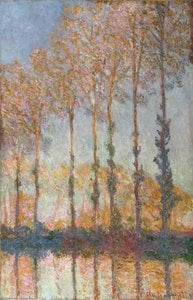
Sir William George Gillies’ “Trees,” a captivating oil painting measuring 37 x 53 cm, offers a serene and evocative glimpse into the heart of a Scottish forest. While the precise date of its creation remains unknown, the work embodies Gillies’ distinctive style—a synthesis of Cubist influences tempered by a profound appreciation for the natural world and a developing embrace of color inspired by Paul Klee. This piece isn't merely a depiction of trees; it is an exploration of light, form, and the quiet majesty of nature, rendered with a sensitivity that speaks to the soul.
To truly appreciate "Trees," one must understand Gillies' artistic evolution. Born in Haddington, East Lothian in 1898, his early training at Edinburgh College of Art was interrupted by service in World War I. Upon returning, he immersed himself in the burgeoning art scene, studying under André Lhote in Paris and traveling through Italy—experiences that introduced him to the principles of Cubism. Early works reflect this influence, characterized by fragmented forms and a restrained palette reminiscent of Braque and Picasso. However, Gillies’ artistic trajectory took a significant turn after encountering the work of Paul Klee. This encounter sparked a shift towards a more imaginative use of color and a willingness to embrace simplified, almost childlike forms—a sensibility beautifully evident in "Trees." His later works, including “Trees and Reflections” (1930) and “Trees in Leaf” (1934), further demonstrate this evolution.
In "Trees," Gillies masterfully captures the interplay of light and shadow within a dense forest setting. At least twelve trees are visible, each distinct in size and shape, contributing to a sense of depth and dimension. The artist doesn't strive for photographic realism; instead, he uses broad brushstrokes and subtle variations in color to suggest the texture of bark, the rustling of leaves, and the dappled sunlight filtering through the canopy. The backdrop of blue sky provides a striking contrast, emphasizing the verticality of the trees and creating a sense of vastness. The composition isn't rigidly structured; rather, it feels organic and natural, inviting the viewer to wander into the scene and experience the tranquility of the forest firsthand. It’s a testament to Gillies’ skill that he can convey such a profound sense of atmosphere with relatively simple forms.
While seemingly straightforward in its subject matter, "Trees" carries deeper symbolic weight. Trees have long been associated with strength, resilience, and connection to the earth—themes particularly resonant within Scottish culture. Gillies’ depiction evokes a sense of peace and contemplation, inviting viewers to reflect on their own relationship with nature. The painting's quiet beauty is both calming and inspiring, offering a respite from the complexities of modern life. It speaks to a longing for simplicity, authenticity, and a deeper connection to the natural world—emotions that continue to resonate strongly today. The work’s enduring appeal lies in its ability to evoke a sense of nostalgia and wonder, transporting viewers to a place of quiet beauty and timeless serenity.


1898 - 1973 , United Kingdom

 Preview
 Send
Send Share
Share
 Details

 Download
 Similars
 X-Ray
X-Ray Diaporama
 Stats
Stats Read More

![Poplars Along The River Epte, Autumn [1891] — Claude Monet, Impressionism](/media/artworks/images-thumb/87/07/8707b2b24bc1c6d6106417dda55914f5.jpg)