x


Hand-painted oil on canvas in your size and frame, made to order by our artists. ( Buy Print Buy Image)





























Pick from our preset sizes that match the artwork's original proportions.

You may enter your own dimensions to fit a specific frame or space. If your selected size does not match the original image's proportions, we will either crop the artwork or extend the painting with additional hand-painted elements. A digital mockup will be sent for your approval before production begins.
Please note that the on-screen preview does not reflect the actual cropping or extension. Only the mockup will accurately show the final composition.
While custom sizes are available, we recommend selecting a dimension from the predefined list to preserve the original proportions.
Worldwide Delivery () in 3/4 weeks instead of standard 5 weeks. (29 August). No compromise on quality.


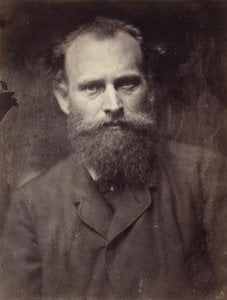
Cast Iron Billy
Reproduction Size
John Thomson’s “Cast Iron Billy,” created in 1877-78, isn't merely a photograph; it’s a meticulously crafted window into the heart of late Victorian London. This albumen print, now housed within The Art Institute of Chicago’s collection, captures a fleeting moment of everyday life – a horse-drawn carriage and its driver, rendered with remarkable detail and a quiet dignity. Thomson, a physicist renowned for his discovery of the electron, was also an astute observer of society, using photography as a tool to document the realities of urban existence during a period of rapid industrialization and social change. The image possesses a grainy texture characteristic of the woodburytype process, lending it a tangible sense of history and inviting us to contemplate the passage of time.
Thomson’s choice of the woodburytype process is crucial to understanding the photograph's aesthetic. Unlike later photographic techniques, this method involved creating a negative on glass, which was then used to print directly onto paper – a process that resulted in a slightly softer, more textured image than those produced with collodion wet plate photography. The resulting sepia tones are rich and evocative, subtly shifting between browns and grays, mirroring the muted palette of Victorian London. The composition itself is carefully considered; the central placement of the carriage and figures draws the eye immediately, while the receding cobblestone street creates a sense of depth and perspective. Notice the subtle play of light and shadow, highlighting the textures of the horse’s harness, the driver's clothing, and the weathered surface of the carriage – details that speak to Thomson’s keen observational skills.
“Cast Iron Billy” offers a poignant glimpse into the social fabric of Victorian England. The title itself, “Cast Iron Billy,” refers to the type of carriage prevalent at the time – sturdy, reliable vehicles that were essential for transporting goods and people across the city. The driver, dressed in the formal attire of his profession, embodies the industrious spirit of the era. He stands as a symbol of hard work and responsibility, navigating the bustling streets of London. The photograph’s quiet stillness contrasts sharply with the frenetic energy of Victorian urban life, prompting us to consider the rhythms and routines that shaped daily existence for countless individuals. The image also subtly reflects the growing anxieties surrounding industrialization – the reliance on machines like this carriage represented both progress and potential displacement.
More than just a historical document, “Cast Iron Billy” evokes a powerful sense of nostalgia and contemplation. The photograph’s muted tones and slightly faded appearance contribute to its melancholic beauty, suggesting a lost world – a time when life moved at a slower pace and human connection was more immediate. There's an inherent dignity in the scene, a quiet grace that transcends the specific details of the subject matter. It invites us to reflect on our own relationship with history, memory, and the enduring qualities of the human spirit. Reproductions of this remarkable image offer a tangible link to the past, allowing us to experience a moment in Victorian London through the discerning eye of John Thomson.


1856 - 1940 , United Kingdom

Explore the profound artistry of black and white photography. From historical mastery to the interplay of light and shadow, discover how monochrome captures timeless emotion and form through a sophisticated lens of art history.

Explore the profound evolution of contemporary photography through a connoisseur's lens. From monochrome mastery to digital innovation, discover how modern photographic works shape fine art collections and define our cultural legacy.

Explore the profound evolution of documentary photography through a cultural lens. From early social realism to modern visual narratives, discover how photographers have captured history, labor, and the human condition to redefine fine art.


Stay updated with the latest art news, exclusive offers, and decoration ideas.
Tell us about your project and our art experts will provide you with 3 personalized art suggestions.
Let Us Curate 3 Options Just for You - Free!

 Preview
 Send
Send Share
Share
 Details

 Download
 Similars
 X-Ray
X-Ray Diaporama


 Read More







 Glass option is only available in size under 110 CM