
x


 Oil On CanvasWallArtBaroque Portraiture
 1630Early Modern
 213.0 x 114.0 cm
 Wallace Collection
Museum-quality giclée or canvas print with fast production and flexible finish options. ( Buy Hand Made Painting Buy Image)





























Pick from our preset sizes that match the artwork's original proportions.

You may enter your own dimensions to fit a specific frame or space. If your selected size does not match the original image's proportions, we will either crop the artwork or extend the image with a mirrored or solid-fill edge. A digital mockup will be sent for your approval before production begins.
Please note that the on-screen preview does not reflect the actual cropping or extension. Only the mockup will accurately show the final composition.
While custom sizes are available, we recommend selecting a dimension from the predefined list to preserve the original proportions.
Worldwide Delivery () in 2 weeks instead of standard 4/5 weeks. (6 September)


Philippe Le Roy
Reproduction Size
To step before Sir Anthony van Dyck’s “Philippe Le Roy” is to be transported directly into the opulent heart of the seventeenth century. This masterpiece, executed around 1630, serves as a breathtaking window into an era where portraiture was far more than mere likeness; it was a carefully orchestrated performance of power, prestige, and poise. The painting captures Philippe Le Roy, a figure of significant standing, presented with a theatricality that defines the very essence of the Baroque period. As the eye meets the sitter, one is immediately struck by the profound sense of dignity and the quiet, commanding presence that radiates from the canvas, making it an irresistible centerpiece for any collection dedicated to the golden age of European nobility.
Van Dyck, a Flemish master who would eventually become the preeminent court painter for the English monarchy, utilizes a sophisticated chiaroscuro technique to breathe life into the composition. The dramatic interplay between light and shadow does not merely illuminate the subject; it sculpts him. A strong, directional light source sweeps across the frame, catching the crisp edges of a white lace collar and the subtle sheen of a powdered wig, while allowing the background to recede into a mysterious, atmospheric depth of muted blues and earthy browns. This mastery of light creates a palpable three-dimensionality, inviting the viewer to feel the weight of the heavy fabrics and the delicate texture of the dog’s fur.
Beyond the technical brilliance lies a rich tapestry of symbolic meaning that speaks to the values of the Dutch Golden Age and the European aristocracy. The inclusion of the faithful dog at Le Roy's side is far from incidental; in the visual language of the time, such a companion served as a poignant emblem of loyalty, constancy, and domestic devotion. This pairing of man and beast softens the formal rigidity of the portrait, injecting a sense of warmth and humanity into an otherwise highly structured social statement. The composition itself, built upon a stable triangular form, draws the viewer’s gaze upward toward Le Roy's face, ensuring that his expression—one of refined, effortless sprezzatura—remains the emotional anchor of the work.
For the discerning interior designer or art collector, this piece offers an unparalleled opportunity to introduce a sense of historical gravity and timeless elegance into a space. The meticulous rendering of textures—from the intricate architecture of the lace cuffs to the soft, tactile quality of the animal's coat—provides a sensory richness that complements both classical and contemporary settings. Whether placed in a grand library or a sophisticated modern salon, a high-quality reproduction of this work does more than decorate a wall; it curates an atmosphere of intellectual depth and aesthetic splendor, celebrating the enduring legacy of one of history’s most influential portraitists.


1599 - 1641 , Belgium

Explore the Dutch Golden Age of painting! Discover key artists like Vermeer & ter Borch, their innovative techniques, and the rich cultural context behind these Baroque masterpieces. Learn about collecting & appreciating this iconic art period.

Journey into the Dutch Golden Age! Explore 10 iconic paintings by Rembrandt, Vermeer & Hals. Discover the stories behind these Baroque masterpieces and find museum-quality art reproductions to elevate your home decor on .

Journey through the Golden Age with our guide to the Top 10 Dutch Baroque masterpieces! Explore iconic paintings by Rembrandt, Vermeer & Frans Hals. Find museum-quality art reproductions and elevate your home decor at WahooArt.com.
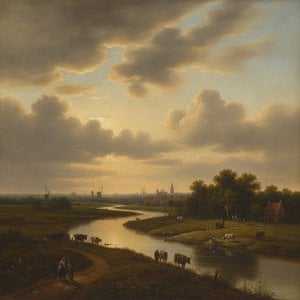
Discover the breathtaking beauty of Dutch Golden Age landscapes. Explore the mastery of light, chiaroscuro, and 17th-century realism through an expert art history lens, celebrating the enduring legacy of the Dutch Masters for discerning collectors and art lovers.

Journey through Rembrandt van Rijn's 25 most iconic paintings & etchings. Explore Dutch Golden Age masterpieces, dramatic chiaroscuro, and timeless portraits. Find museum-quality art reproductions to elevate your home decor on WahooArt.com.


Stay updated with the latest art news, exclusive offers, and decoration ideas.
Tell us about your project and our art experts will provide you with 3 personalized art suggestions.
Let Us Curate 3 Options Just for You - Free!

 Preview
 Send
Send Share
Share
 Details

 Download
 Similars
 X-Ray
X-Ray Diaporama
 Read More







 Glass option is only available in size under 110 CM


