
x


 Oil On CanvasWallArtBaroque
 1638Early Modern
 218.0 x 133.0 cm
Hand-painted oil on canvas in your size and frame, made to order by our artists. ( Buy Print Buy Image)





























Pick from our preset sizes that match the artwork's original proportions.

You may enter your own dimensions to fit a specific frame or space. If your selected size does not match the original image's proportions, we will either crop the artwork or extend the painting with additional hand-painted elements. A digital mockup will be sent for your approval before production begins.
Please note that the on-screen preview does not reflect the actual cropping or extension. Only the mockup will accurately show the final composition.
While custom sizes are available, we recommend selecting a dimension from the predefined list to preserve the original proportions.
Worldwide Delivery () in 3/4 weeks instead of standard 5 weeks. (29 August). No compromise on quality.


Lord George Stuart
Reproduction Size
To gaze upon this portrait of Lord George Stuart is to step directly into the opulent, yet deeply thoughtful, world of early seventeenth-century English aristocracy. Sir Anthony van Dyck, the master painter whose brushstrokes seemed imbued with aristocratic grace, has captured not merely a likeness, but an entire persona. The subject stands forth with an air of studied nobility, draped in rich blue robes contrasted by the luminous sweep of a yellow hooded cloak. His posture is deliberate, commanding attention while simultaneously inviting contemplation. Van Dyck’s genius lies in his ability to imbue even a formal portrait with a sense of living narrative; Lord George does not simply sit for his portrait—he embodies a role.
The technical brilliance on display here is breathtaking. Van Dyck, having absorbed the dynamism of Rubens while forging his own signature elegance, utilizes light and shadow with unparalleled skill. Observe how the folds of the fabric catch the imagined daylight; they are rendered with a velvety depth that speaks to the quality of the oil paint and the artist's meticulous hand. The background composition is equally masterful. Far from being a mere backdrop, the depiction of lush trees set against distant, majestic mountains provides an expansive stage for the sitter. This juxtaposition—the intimate portraiture against the grandeur of nature—is a hallmark of high Baroque art, suggesting that the subject’s status extends beyond his immediate surroundings.
The props within this painting are as significant as the sitter himself. The staff held gently in his hand is more than just an accessory; it functions as a visual anchor, lending him an air of authority or perhaps scholarly weight. Coupled with the rich vestments, these elements speak volumes about Lord George Stuart’s station and expected conduct within the courtly sphere. The colors themselves carry symbolic weight: blue often denotes loyalty and steadfastness, while yellow can suggest divine favor or high status. Van Dyck was a painter deeply attuned to the visual language of power, ensuring that every element—from the drape of the cloak to the distant peaks—contributes to an overall aura of cultivated magnificence.
Owning a reproduction of this work is acquiring more than just decoration; it is curating a piece of historical grandeur. For the discerning collector or designer, this portrait offers unparalleled depth. It speaks to an era where patronage was both an art form and a social necessity. The emotional impact is one of stately contemplation—a feeling of looking back at a time of profound cultural flourishing. Whether placed in a formal drawing-room or a library meant for quiet reflection, the presence of Lord George Stuart reminds the viewer of enduring elegance, masterful craftsmanship, and the timeless allure of aristocratic portraiture.
Painted around 1638, this work stands at the zenith of Van Dyck’s career when his English commissions were reaching their peak. It encapsulates the transition from the robust colorism of Rubens toward a more refined, almost lyrical elegance that would define much of later English portraiture. To reproduce this piece is to bring home a tangible echo of Antwerp's artistic might meeting the sophisticated tastes of the English court.


1599 - 1641 , Belgium

Explore the life & legacy of Sir Anthony van Dyck, the leading court painter of his era. Discover his innovative portraiture, Baroque masterpieces, and investment potential for discerning collectors. Learn more at WahooArt.

Immerse yourself in the captivating world of slate blue! Explore 10 iconic paintings by Monet, Van Gogh & Renoir. Discover their stories, techniques & find museum-quality art reproductions for your home at .

Journey through Rembrandt van Rijn's 25 most iconic paintings & etchings. Explore Dutch Golden Age masterpieces, dramatic chiaroscuro, and timeless portraits. Find museum-quality art reproductions to elevate your home decor on WahooArt.com.

Explore the elegant world of Charles-André van Loo, a master of Rococo portraiture at the French court. Discover his life, techniques, and enduring influence on 18th-century art. Hand-painted reproductions available.
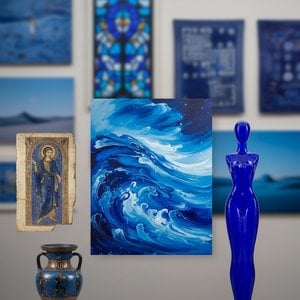
Explore the rich history of blue in art! Discover its symbolism, from ancient pigments to modern masterpieces by Kandinsky & Seurat. Uncover the psychological impact and cultural meanings behind this captivating hue.


Stay updated with the latest art news, exclusive offers, and decoration ideas.
Tell us about your project and our art experts will provide you with 3 personalized art suggestions.
Let Us Curate 3 Options Just for You - Free!

 Preview
 Send
Send Share
Share
 Details

 Download
 Similars
 X-Ray
X-Ray Diaporama
 Read More







 Glass option is only available in size under 110 CM


