

 Acrylic On CanvasWallArtPostcolonial Portraiture
 19th Century
 56.0 x 38.0 cm
 MAM Rio
Hand-painted oil on canvas in your size and frame, made to order by our artists. ( Switch to Print Switch to Digital Image)





























Pick from our preset sizes that match the artwork's original proportions.

You may enter your own dimensions to fit a specific frame or space. If your selected size does not match the original image's proportions, we will either crop the artwork or extend the painting with additional hand-painted elements. A digital mockup will be sent for your approval before production begins.
Please note that the on-screen preview does not reflect the actual cropping or extension. Only the mockup will accurately show the final composition.
While custom sizes are available, we recommend selecting a dimension from the predefined list to preserve the original proportions.
Worldwide Delivery () in 3/4 weeks instead of standard 5 weeks. (27 September). No compromise on quality.


Untitled
Reproduction Size
Seydou Keïta's “Untitled,” created around 1958, isn’t merely a portrait; it’s a carefully constructed window into the heart of postcolonial Bamako. This arresting black and white photograph, now housed within the collections of major museums worldwide, captures a woman – likely a member of the local community – seated with an air of dignified composure against a backdrop that speaks volumes about both tradition and burgeoning modernity. Keïta’s work, particularly during this period, served as a crucial visual record of a nation grappling with its identity after decades of French colonial rule, and “Untitled” exemplifies this profound shift with remarkable subtlety.
The photograph's composition is deceptively simple yet profoundly effective. The woman dominates the frame, her posture radiating quiet strength and grace. Her hands rest gently on her lap, a gesture that invites intimacy while simultaneously maintaining an aura of reserve. The background, a repeating pattern of geometric checks – likely inspired by traditional textiles – provides a vibrant counterpoint to the subject’s stillness. These patterns aren't merely decorative; they hint at the rich cultural heritage of Mali, interwoven with the influences of European design and trade. The careful balance between these elements creates a visual dialogue that speaks to the complexities of a nation navigating its own future.
Keïta’s photographic process was deeply rooted in his dual life as both a carpenter and an artist. He initially used a Kodak Brownie camera, a remarkably accessible tool that allowed him to document the lives of his neighbors and friends. This early experimentation honed his eye for composition and lighting – crucial elements evident in “Untitled.” The image is a silver gelatin print, a traditional photographic process known for its archival stability and nuanced tonal range. Keïta’s deliberate use of diffused light minimizes harsh shadows, allowing the textures of the woman's clothing—a flowing robe adorned with intricate detailing—and the background pattern to emerge with remarkable clarity. The slight graininess inherent in silver gelatin prints adds a layer of tactile quality, grounding the image and connecting it to the physical act of photography.
Beyond its formal elements, “Untitled” is rich in symbolic meaning. The woman’s attire—a traditional West African garment—immediately establishes her connection to a specific cultural identity. The patterned background, with its geometric motifs, can be interpreted as representing social status, familial lineage, or perhaps even the broader landscape of Mali itself. Some scholars suggest that the checks mirror the patterns found in imported fabrics, subtly referencing the ongoing exchange between traditional crafts and global commerce. The woman’s gaze, though not overtly expressive, holds a quiet dignity—a testament to her resilience and pride within a rapidly changing world.
Seydou Keïta's work transcends simple portraiture; it is a vital historical document and a profound artistic statement. His ability to capture the essence of his subjects – their dignity, their humanity, and their connection to place – cemented his legacy as one of Africa’s most important photographers. “Untitled” stands as a powerful example of this talent, offering viewers a glimpse into a pivotal moment in Malian history and reminding us of the enduring power of photography to document, preserve, and celebrate human experience. Reproductions of this iconic image continue to resonate today, serving as both a reminder of Keïta’s genius and an invitation to contemplate the complexities of identity, culture, and memory.


1921 - 2001 , Mali
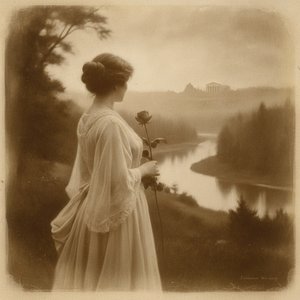
Explore the profound history of Pictorialism, the revolutionary movement that elevated photography to a fine art. Uncover how visionaries used painterly techniques and soft focus to transcend mere documentation, imbuing the lens with the emotional depth of classical masterpieces.

Explore the profound artistry of black and white photography. From historical mastery to the interplay of light and shadow, discover how monochrome captures timeless emotion and form through a sophisticated lens of art history.

Explore the profound evolution of documentary photography through a cultural lens. From early social realism to modern visual narratives, discover how photographers have captured history, labor, and the human condition to redefine fine art.

Explore the profound evolution of contemporary photography through a connoisseur's lens. From monochrome mastery to digital innovation, discover how modern photographic works shape fine art collections and define our cultural legacy.

Explore the profound emotional depth of documentary photography art. Discover how collectors curate powerful historical narratives through museum-quality black and white prints and fine art reproductions that preserve humanity's most resilient moments.

 Preview
 Send
Send Share
Share
 Details
 Guide
Guide

 Download
 Similars
 X-Ray
X-Ray Diaporama
 Stats
Stats Read More







 Glass option is only available in size under 110 CM


