

Hand-painted oil on canvas in your size and frame, made to order by our artists. ( Switch to Print Switch to Digital Image)





























Pick from our preset sizes that match the artwork's original proportions.

You may enter your own dimensions to fit a specific frame or space. If your selected size does not match the original image's proportions, we will either crop the artwork or extend the painting with additional hand-painted elements. A digital mockup will be sent for your approval before production begins.
Please note that the on-screen preview does not reflect the actual cropping or extension. Only the mockup will accurately show the final composition.
While custom sizes are available, we recommend selecting a dimension from the predefined list to preserve the original proportions.
Worldwide Delivery () in 3/4 weeks instead of standard 5 weeks. (9 September). No compromise on quality.


La fuite en Egypte
Reproduction Size
In the heart of the seventeenth century, Sébastien Bourdon captured a moment of profound spiritual urgency and celestial peace in his masterpiece, La Fuite en Égypte. This evocative work, completed between 1644 and 1645, serves as a breathtaking window into the Baroque era, where the tension between earthly struggle and divine intervention is rendered with unparalleled emotional depth. The painting depicts the Holy Family’s desperate flight from the tyranny of Herod, yet Bourdon transcends the mere recording of a biblical event to create an immersive atmosphere that feels both intimate and monumental. As viewers encounter this scene, they are drawn into a landscape where the ruggedness of the desert meets the ethereal glow of the heavens, making it a captivating centerpiece for any collection dedicated to the grandeur of classical art.
The composition is a masterclass in Baroque equilibrium, utilizing a triangular arrangement that guides the eye through a narrative of protection and grace. On the left, Joseph strides forward with a resolute gaze, his staff held high as a symbol of paternal authority and steadfast guardianship. His figure provides a grounded, earthly weight to the scene, contrasting beautifully with the delicate presence of Mary. Seated upon a grey ass, her posture radiates a poignant blend of humility and vulnerability. Nestled within her arms, the infant Jesus is swathed in vibrant crimson fabric—a deliberate stroke of color by Bourdon that draws the eye immediately to the heart of the painting, symbolizing both the sacrificial nature of his destiny and the purity of his innocence.
Bourdon’s technical prowess is most evident in his use of atmospheric perspective, a technique that breathes life into the vast, hazy distance of the Egyptian wilderness. The background dissolves into muted greens, browns, and soft greys, creating a palpable sense of depth that pulls the observer into the far reaches of the horizon. This sense of space is balanced by the meticulous layering of oil paints, which allows for a rich, painterly texture. One can almost feel the weight of the drapery and the warmth of the sun-drenched landscape. The lighting is particularly transformative; a soft, diffused radiance seems to descend from an unseen celestial source, illuminating the faces of the Holy Family and casting gentle shadows that lend a three-dimensional realism to the figures.
Adding a layer of supernatural wonder to the composition are the two hovering angels, whose luminous wings act as beacons of divine reassurance. One angel carries a banner adorned with delicate floral motifs, representing the blossoming of grace amidst the desolation of flight. This interplay between the heavy, earthy tones of the terrain and the light, airy presence of the divine creates a rhythmic tension that is quintessential to the Baroque style. For the discerning collector or interior designer, this painting offers more than just visual beauty; it provides a sophisticated narrative element that can anchor a room with its complex textures, rich color palette, and timeless emotional resonance.
Beyond its aesthetic brilliance, La Fuite en Égypte is steeped in the theological and historical currents of Bourdon’s time. As a painter who navigated the stylistic influences of masters like Caravaggio and Poussin, Bourdon infused this work with a unique visual language that speaks to both the drama of human suffering and the hope of divine providence. The symbolism is layered: the ass serves as a humble companion to the journey, while the very landscape reflects the arduous path of faith. To possess a high-quality reproduction of this work is to invite a piece of art history into one's space—a piece that continues to inspire awe through its masterful command of light, its profound psychological depth, and its enduring ability to stir the human soul.


1616 - 1671 , France

Explore the opulent world of Baroque interior design! Discover key elements, modern applications & how to bring dramatic elegance into your home with WahooArt.com's authentic reproductions.

Explore the dramatic world of Baroque art! Discover iconic masters like Caravaggio & Rembrandt, their techniques, and the movement's lasting impact. Expert insights for collectors & enthusiasts at WahooArt.
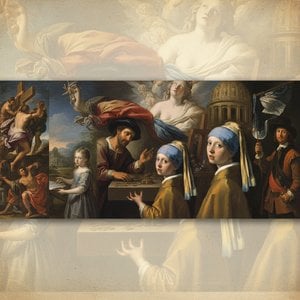
Journey through the drama & grandeur of Baroque art! Explore 10 masterpieces by Caravaggio, Rembrandt, Rubens & more. Discover stunning oil paintings, rich colors & timeless stories. Find museum-quality reproductions at .

Explore the dramatic world of Baroque art! Discover iconic artists like Caravaggio & Rubens, defining techniques, and its lasting impact on art history. Expert insights for collectors & enthusiasts at WahooArt.
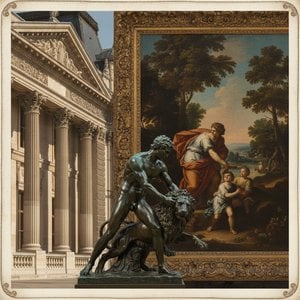
Explore the profound elegance of Baroque Classicism. Discover how 17th-century masters synthesized dramatic emotion with classical order through the lens of the Counter-Reformation and the works of legends like Carlo Maratta and Andrea Sacchi.

 Preview
 Send
Send Share
Share
 Details

 Download
 Similars
 X-Ray
X-Ray Diaporama
 Stats
Stats


 Read More







 Glass option is only available in size under 110 CM


