

 Oil On CanvasWallArtBaroque
 1734Early Modern
 95.0 x 51.0 cm
 Szépmûvészeti Múzeum
Hand-painted oil on canvas in your size and frame, made to order by our artists. ( Switch to Print Switch to Digital Image)





























Pick from our preset sizes that match the artwork's original proportions.

You may enter your own dimensions to fit a specific frame or space. If your selected size does not match the original image's proportions, we will either crop the artwork or extend the painting with additional hand-painted elements. A digital mockup will be sent for your approval before production begins.
Please note that the on-screen preview does not reflect the actual cropping or extension. Only the mockup will accurately show the final composition.
While custom sizes are available, we recommend selecting a dimension from the predefined list to preserve the original proportions.
Worldwide Delivery () in 3/4 weeks instead of standard 5 weeks. (23 September). No compromise on quality.


The Assumption
Reproduction Size
In the grand tapestry of the late Baroque era, few threads shine with as much vibrant energy as the works of Sebastiano Ricci. His masterpiece, The Assumption, serves as a breathtaking window into a world where the boundaries between the earthly and the divine dissolve in a flurry of light and motion. Created in 1734, this oil on canvas is not merely a depiction of a religious event; it is a masterclass in Baroque illusionism. As the eye travels upward, the composition guides the viewer through a transformative experience, moving from the heavy, grounded reality of human existence toward the weightless, ethereal splendor of the heavens. For the discerning collector or interior designer, this piece offers more than decoration; it provides a focal point of profound spiritual and aesthetic transcendence.
The painting is architecturally divided into two contrasting realms, a technique that Ricci employs to create a powerful emotional resonance. The lower register is anchored by a group of figures on earth, rendered in subdued, earthy tones and rich, detailed fabrics that suggest the tangible weight of mortality. These onlookers, captured in moments of profound awe, prayerful reverence, and even bewilderment, represent the human condition—bound by gravity and time. However, this terrestrial solemnity is dramatically interrupted by the celestial spectacle unfolding above. Here, Ricci unleashes his signature Venetian luminosity, utilizing a palette of soft pastels and shimmering highlights to depict a host of angels and cherubs. This upper realm, where the Virgin Mary ascends toward the divine, feels as though it is breathing with light, pulling the viewer’s gaze upward in an irresistible upward surge.
What sets The Assumption apart from the more somber works of his contemporaries is Ricci's rejection of heavy chiaroscuro in favor of a more luminous, Rococo-inflected grace. His brushwork is dynamic and fluid, imbuing the clouds and the fluttering drapery of the angels with a sense of rhythmic movement. This technique creates a "grand manner" effect that feels both monumental and incredibly delicate. The way light interacts with the surfaces—the sheen on a silk sleeve or the soft glow of a divine halo—demonstrates his ability to manipulate texture to evoke emotion. For those seeking to adorn a space with art, this painting offers a unique versatility; its bright, airy upper section can breathe life into a room, while its classical subject matter lends an air of timeless sophistication and intellectual depth.
The symbolism within the work is as profound as its visual beauty. The very act of ascent serves as a metaphor for the soul's journey toward enlightenment and salvation. By juxtaposing the textured, shadowed world of man with the pastel-hued, radiant world of the divine, Ricci invites us to contemplate our own place within the cosmos. To possess a reproduction of such a work is to invite a sense of serenity and aspiration into one's environment. It is an invitation to look upward, to find beauty in the light, and to surround oneself with the enduring legacy of the Venetian masters.

sebastiano ricci, an italian painter from belluno, was born on august 1, 1659, and passed away on may 15, 1734. he was a prominent figure in the late baroque school of venice, known for his grand manner fresco painting style.
ricci's artistic journey began at a young age. in 1671, he was apprenticed to federico cervelli of venice. however, some sources claim that his first master was sebastiano mazzoni.
* bacchus and ariadne (national gallery, london, united kingdom), a painting showcasing ricci's mastery of the baroque style. * memorial to admiral sir clowdisley shovell (oil on canvas), a testament to his ability to capture the essence of a moment. * the decoration of the oratory of the madonna of the seraglio (1685-1687) in collaboration with ferdinando galli-bibiena, receiving a payment of 4,482 lira.
ricci's work was influenced by giovanni gioseffo dal sole's style during his time in bologna. his paintings often featured grand, luminous, and vigorous themes, making him a representative of the late baroque school of venice.
ricci's artistic career was marked by periods of turmoil, including imprisonment and scandals. however, he continued to produce notable works, such as venus takes leave from adonis, which showcased his skill in capturing heavenly depictions. he ultimately accepted foreign patronage in london, working on a commission for lord burlington.
important: this article is based on the available information from WahooArt.com and may be subject to change as more data becomes available.

1659 - 1734 , Italy

Explore the captivating world of Sebastiano Ricci, a leading Venetian Baroque painter renowned for his luminous frescoes & illusionistic masterpieces. Discover his life, techniques, and lasting influence on art history.

Explore the opulent world of Baroque interior design! Discover key elements, modern applications & how to bring dramatic elegance into your home with WahooArt.com's authentic reproductions.
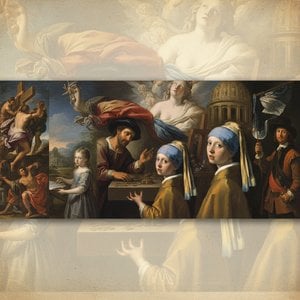
Journey through the drama & grandeur of Baroque art! Explore 10 masterpieces by Caravaggio, Rembrandt, Rubens & more. Discover stunning oil paintings, rich colors & timeless stories. Find museum-quality reproductions at .
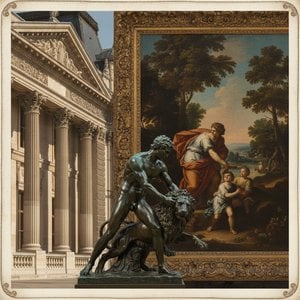
Explore the profound elegance of Baroque Classicism. Discover how 17th-century masters synthesized dramatic emotion with classical order through the lens of the Counter-Reformation and the works of legends like Carlo Maratta and Andrea Sacchi.

Explore the dramatic world of Baroque art! Discover iconic artists like Caravaggio & Rubens, defining techniques, and its lasting impact on art history. Expert insights for collectors & enthusiasts at WahooArt.

 Preview
 Send
Send Share
Share
 Details
 Guide
Guide

 Download
 Similars
 X-Ray
X-Ray Diaporama
 Stats
Stats Read More







 Glass option is only available in size under 110 CM


