

Museum-quality giclée or canvas print with fast production and flexible finish options. ( Buy Hand Made Painting Switch to Digital Image)





























Pick from our preset sizes that match the artwork's original proportions.

Type the width and the height you need, to fit your frame or your wall. A print can only be cut, never made bigger than the picture, so a size with a different shape loses a part of the image. We send you a digital mockup to approve before we print anything. The picture shown on this page does not show the real cut — only the mockup does.
Worldwide Delivery () in 2 weeks instead of standard 4/5 weeks. (9 November)
Two Ruffed Grouse
Reproduction Size
Rubens Peale's "Two Ruffed Grouse in Underbrush," painted in 1864, isn’t merely a depiction of two birds; it’s a carefully constructed tableau of American naturalism and the burgeoning spirit of scientific observation that defined the mid-19th century. The painting immediately draws the eye with its intimate portrayal of these elusive creatures nestled within a dense undergrowth—a scene brimming with quiet drama and subtle detail. Peale, a key figure in Philadelphia’s vibrant artistic and scientific community, masterfully blends elements of realism with an almost painterly softness, creating an image that feels both meticulously observed and deeply imbued with feeling.

Peale's approach to this work is particularly fascinating when considered within the context of his career. He wasn’t primarily a painter of grand landscapes or heroic figures; instead, he dedicated himself to documenting the natural world through meticulous observation and scientific illustration – a practice deeply rooted in his family history, tracing back to his father, Charles Willson Peale, a renowned naturalist and museum curator. “Two Ruffed Grouse” exemplifies this dedication. The painting’s realism is remarkable, achieved not through idealized representation but by painstakingly rendering the textures of feathers, foliage, and earth. Notice the subtle variations in color—the mottled browns and greys of the birds' plumage blending seamlessly with the muted tones of the underbrush. Peale employed a technique that prioritized capturing the essence of the subject rather than imposing an artistic interpretation, a hallmark of the Hudson River School movement but executed with a distinctly American sensibility.
Beyond its straightforward depiction of two ruffed grouse, the painting is rich in symbolic layers. The inclusion of the geranium—a vibrant splash of red against the predominantly earthy palette—introduces an element of unexpected beauty and perhaps even a touch of melancholy. Some art historians suggest that this deliberate juxtaposition highlights the delicate balance between nature’s raw beauty and the human desire to capture and preserve it. Furthermore, the birds themselves hold symbolic weight; in American folklore, grouse were often associated with good fortune and prosperity. The placement of the birds within the dense undergrowth also speaks to themes of concealment, resilience, and the quiet dignity of the natural world—a sentiment increasingly valued during a period of rapid industrialization and westward expansion.
Rubens Peale's "Two Ruffed Grouse in Underbrush" stands as a testament to the power of observation and the evolving role of art in documenting the natural world. It reflects a shift away from purely decorative painting towards a more scientific and nuanced understanding of nature—a trend that would profoundly influence American art throughout the 19th century. The painting’s quiet intimacy, coupled with its meticulous detail and subtle symbolism, continues to resonate with viewers today, offering a glimpse into a bygone era and reminding us of the enduring beauty and complexity of the American wilderness. Its inclusion in the Detroit Institute of Arts collection underscores its significance as a pivotal work in American art history.
"Two Ruffed Grouse" by Rubens Peale was created in 1864.
"Two Ruffed Grouse" by Rubens Peale is recorded with a subtle color saturation and a balanced intensity.
"Two Ruffed Grouse" leans toward an ochre to sepia tone.

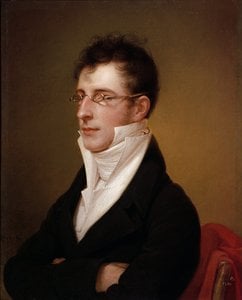
1784 - 1865 , United States of America

Discover the profound beauty of wildlife art through a curated journey of masterworks. From classical naturalism to bespoke oil commissions, explore how premium textures and expert craftsmanship capture nature's untamed spirit for the discerning collector.

Explore the profound legacy of the Barbizon School. Discover how masters like Corot and Monet revolutionized landscape painting through plein air techniques and the soulful depiction of nature's light and shadow in this expert art history guide.
 Preview
 Send
Send Share
Share
 Details
 Guide
Guide

 Download
 Similars
 X-Ray
X-Ray Diaporama
 Q&A
Q&A
 Stats
Stats


 Read More









 Glass option is only available in size under 110 CM


