Buy Hand Made Painting Switch to Digital Image Send
Details Guide Add to favorites Download Similars Diaporama Stats

Decoration

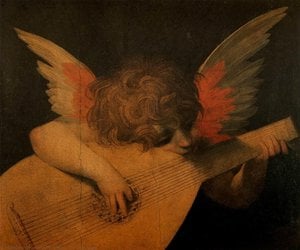
Explore Rosso Fiorentino’s ‘Decoration’ (1534) – a stunning Renaissance fresco depicting Roman mythology. Admire classical beauty, intricate detail & masterful technique in this opulent masterpiece.

Rosso Fiorentino (1495-1540): A key Italian Mannerist painter celebrated for dramatic compositions, intense emotion, and bold use of color. Influenced by Michelangelo & Raphael.

Giclée / Art Print

Museum-quality giclée or canvas print with fast production and flexible finish options. ( Buy Hand Made Painting Switch to Digital Image)

Standard
custom
CM
INCH

Pick from our preset sizes that match the artwork's original proportions.

width
height

You may enter your own dimensions to fit a specific frame or space. If your selected size does not match the original image's proportions, we will either crop the artwork or extend the image with a mirrored or solid-fill edge. A digital mockup will be sent for your approval before production begins.
Please note that the on-screen preview does not reflect the actual cropping or extension. Only the mockup will accurately show the final composition.
While custom sizes are available, we recommend selecting a dimension from the predefined list to preserve the original proportions.

Worldwide Delivery () in 2 weeks instead of standard 4/5 weeks. (24 September)

why_choose_icon
Free Worldwide Express Shipping
why_choose_icon
High-Quality Linen Canvas
why_choose_icon
Full Shipping Insurance
why_choose_icon
Customs Tax Refund Guarantee
why_choose_icon
True Color Matching Guarantee
why_choose_icon
100-Day Return Policy (Defects Only)
why_choose_icon
100% Money-Back Guarantee
why_choose_icon
Bulk Discount Offer

Total Price

$ 69

reproduction

Decoration

Giclée / Art Print

Reproduction Size

-

Total Price

$ 69

Quick Facts

  • Artistic style: Classical/Renaissance
  • Movement: Mannerism
  • Year: 1534
  • Influences: Andrea del Sarto
  • Medium: Fresco
  • Subject or theme: Mythological scene

A Symphony of Myth and Mannerism: Rosso Fiorentino’s “Decoration”

Within the shadowed embrace of an opulent interior – a room defined by dark wood paneling and a complex geometric ceiling – resides "Decoration," a monumental fresco attributed to the fiery genius of Rosso Fiorentino. Painted in 1534, this artwork transcends mere decoration; it’s a potent distillation of Renaissance ideals, infused with the emotional intensity and stylistic experimentation that would come to characterize Mannerism. The scene unfolds as a dramatic tableau, likely rooted in Roman mythology, depicting figures engaged in what appears to be a pivotal moment – perhaps a heroic battle or a celebratory event – rendered with an almost unsettling grandeur.

  • The Artist’s Vision: Rosso Fiorentino, born Giovanni Battista di Jacopo in Florence in 1495, was a pivotal figure bridging the High Renaissance and Mannerism. His work is marked by intense emotion, innovative techniques, and a willingness to challenge established norms.
  • Fresco Technique: Executed as a fresco – pigments mixed with water applied to wet plaster – “Decoration” showcases the artist’s mastery of this demanding medium. The slightly textured surface reveals the gradual build-up of color, creating a tangible sense of depth and volume.

A Composition Steeped in Classical Symbolism

The composition itself is a carefully constructed narrative, dominated by idealized human forms rendered with meticulous detail. The figures’ muscular physiques and flowing drapery – hallmarks of classical art – evoke themes of power, heroism, and divine intervention. Perspective is subtly flattened, a characteristic of fresco work, yet skillfully manipulated to create an illusion of depth through layering and scale. Strong lines define the musculature and folds of the drapery, while geometric shapes—circles, ovals, rectangles, and triangles—reinforce the artwork’s classical foundation.

  • Sculptural Integration: The presence of sculpted figures flanking the central painting adds another layer of complexity. These figures, likely intended to enhance the scene's grandeur, contribute to the overall sense of opulence and reinforce the artwork’s connection to Roman mythology.
  • Lighting and Shadow: Artificial lighting casts dramatic shadows, emphasizing the relief of the sculpted elements and the texture of the wood paneling, further enhancing the visual impact of the fresco.

Decoding the Narrative and Emotional Resonance

"Decoration" is more than just a historical artifact; it’s a powerful expression of human emotion and artistic ambition. Rosso Fiorentino's signature style—characterized by elongated figures, distorted perspectives, and heightened emotional intensity—is vividly apparent in this work. The scene’s dramatic narrative invites contemplation on themes of fate, glory, and the relationship between humanity and the divine. The artwork exudes a sense of historical importance and artistic skill, reflecting the wealth and sophistication of its setting.

  • Mannerist Influence: While rooted in Renaissance ideals, “Decoration” demonstrates Rosso Fiorentino’s embrace of Mannerist tendencies – a deliberate departure from classical harmony towards a more subjective and emotionally charged representation of reality.
  • Emotional Impact: The artwork's scale, combined with its dramatic subject matter and masterful execution, creates a profoundly immersive experience for the viewer, evoking feelings of awe, wonder, and perhaps even unease.

Artist Biography

A Life Painted in Fire: The Dramatic World of Rosso Fiorentino

Giovanni Battista di Jacopo, known to the world as Rosso Fiorentino – “The Red Florentine” – was a name whispered with both admiration and a touch of unease during the Italian Renaissance. Born in Florence on March 8th, 1495, his very nickname alluded to the fiery spirit that would come to define not only his appearance but also his intensely emotional and innovative art. Rosso wasn’t merely a painter; he was a harbinger of change, a pivotal figure bridging the High Renaissance's classical ideals with the burgeoning complexities of Mannerism. His journey, marked by artistic exploration, political upheaval, and ultimately, a premature death in Fontainebleau in 1540, left an indelible mark on the landscape of European art.

Formative Years and Florentine Foundations

Rosso’s artistic education began within the esteemed workshop of Andrea del Sarto, one of Florence's leading masters. This environment proved crucial, placing him alongside another rising star, Pontormo. The two artists shared a space for experimentation, fostering a creative rivalry that pushed both to explore beyond conventional boundaries. The influence of the Florentine school was deeply ingrained during these formative years; however, even early works reveal Rosso’s distinct inclination towards dramatic intensity and an expressive use of color – qualities that would set him apart. He absorbed the lessons of perspective and anatomical accuracy but quickly began to imbue his figures with a psychological depth rarely seen in earlier Renaissance art. Early paintings like the *Holy Family with the Infant Saint John the Baptist* demonstrate this emerging style, hinting at the emotional turbulence that would characterize his mature work.

The Roman Interlude and the Seeds of Mannerism

In 1523, Rosso ventured to Rome, a city brimming with artistic energy and the monumental achievements of Michelangelo and Raphael. This period proved transformative. He was profoundly impacted by Michelangelo’s powerful figures and dynamic compositions, as well as Raphael's refined grace. However, rather than simply imitating these masters, Rosso synthesized their influences into something uniquely his own. The Sack of Rome in 1527 brought chaos and destruction, forcing Rosso to flee the city and marking a turning point in his career. This traumatic event seems to have intensified the emotional undercurrents within his art, pushing him further away from the High Renaissance’s emphasis on harmony and towards the more unsettling aesthetic of Mannerism.

French Patronage and Lasting Legacy

Rosso's journey eventually led him to France in 1530, where he entered the service of King Francis I. This marked a new chapter, as he became a key figure in the decoration of the Château de Fontainebleau, alongside other prominent artists. Here, he was given considerable freedom to experiment and develop his style further. The *Gallery of Francis I* at Fontainebleau stands as a testament to his skill, showcasing allegorical scenes filled with elongated figures, vibrant colors, and complex symbolism. He also created works like *Elephant*, demonstrating an ability to capture the essence of his subjects with remarkable detail. Sadly, Rosso’s time in France was cut short by illness; he died in 1540 at the age of forty-five. Despite his relatively brief career, Rosso Fiorentino's influence resonated throughout Europe. His style profoundly impacted artists like Francesco Primaticcio, who succeeded him at Fontainebleau, and helped to solidify Mannerism as a dominant force in art for decades to come. His paintings, now found in museums worldwide – including the Galleria Nazionale d'Arte Moderna e Contemporanea in Rome, the Pinacoteca Comunale in Volterra, and the Duomo in Città di Castello – continue to captivate viewers with their dramatic power and emotional depth, ensuring that the “Red Florentine” remains a vital and compelling figure in art history.
Rosso Fiorentino

Rosso Fiorentino

1495 - 1540 , Italy

Quick Facts

  • Artistic Movement Or Style: Mannerism
  • Artists Or Movements Influenced By This Artist: ['Francesco Primaticcio']
  • Artists Who Influenced This Artist:
    • Michelangelo
    • Raphael
  • Date Of Birth: March 8, 1495
  • Date Of Death: November 14, 1540
  • Full Name: Giovanni Battista di Jacopo
  • Nationality: Italian
  • Notable Artworks:
    • The Deposition
    • Elephant
    • Moses and Jethro's Daughters
  • Place Of Birth: Florence, Italy
Explore artworks organized by themes, styles, and characteristics.