Preview AR preview Switch to Print Switch to Digital Image Send
Details Guide Add to favorites Download Similars X-Ray Diaporama Stats

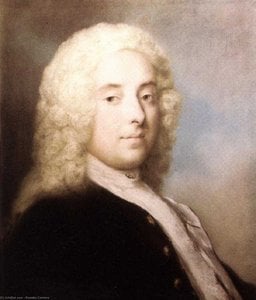
Spring

Experience the elegance of Rosalba Carriera's 'Spring'! This exquisite pastel portrait captures renewal & beauty with delicate details, reflecting Rococo artistry. Own a piece of art history.

Rosalba Carriera (1675-1757): Venetian Rococo master of pastel & miniature portraiture, achieving international acclaim as one of history's most successful women artists.

Hand Made Oil Reproduction

Hand-painted oil on canvas in your size and frame, made to order by our artists. ( Switch to Print Switch to Digital Image)

Corner sample of the P118B picture frame: moulded polystyrene, 5 cm wide and 3 cm thick
P118B $10
Corner sample of the P118H picture frame: moulded polystyrene, 5 cm wide and 3 cm thick
P118H $10
Corner sample of the P118W picture frame: moulded polystyrene, 5 cm wide and 3 cm thick
P118W $10
Corner sample of the P438Z picture frame: moulded polystyrene, 5.5 cm wide and 3.5 cm thick
P438Z $10
Corner sample of the P508JH picture frame: moulded polystyrene, 7 cm wide and 3.5 cm thick
P508JH $12
Corner sample of the P508YH picture frame: moulded polystyrene, 7 cm wide and 3.5 cm thick
P508YH $12
Corner sample of the P805H picture frame: moulded polystyrene, 5 cm wide and 3.5 cm thick
P805H $10
Corner sample of the P805Z picture frame: moulded polystyrene, 5 cm wide and 3.5 cm thick
P805Z $10
Corner sample of the P919BZ picture frame: moulded polystyrene, 7 cm wide and 3.5 cm thick
P919BZ $10
Corner sample of the P919G picture frame: moulded polystyrene, 7 cm wide and 3.5 cm thick
P919G $10
Corner sample of the P919XJ picture frame: moulded polystyrene, 7 cm wide and 3.5 cm thick
P919XJ $10
Corner sample of the P959ZH picture frame: moulded polystyrene, 5 cm wide and 3 cm thick
P959ZH $10
Corner sample of the P968JZ picture frame: moulded polystyrene, 6 cm wide and 4 cm thick
P968JZ $12
Corner sample of the W106C picture frame: solid wood, 5 cm wide and 3 cm thick
W106C $8
Corner sample of the W218G picture frame: solid wood, 5 cm wide and 3 cm thick
W218G $10
Corner sample of the W218JH picture frame: solid wood, 5 cm wide and 3 cm thick
W218JH $8
Corner sample of the W218Y picture frame: solid wood, 5 cm wide and 3 cm thick
W218Y $10
Corner sample of the W307PJ picture frame: solid wood, 6 cm wide and 3 cm thick
W307PJ $10
Corner sample of the W316G picture frame: solid wood, 6 cm wide and 3 cm thick
W316G $10
Corner sample of the W316PJ picture frame: solid wood, 6 cm wide and 3 cm thick
W316PJ $8
Corner sample of the W316Y picture frame: solid wood, 6 cm wide and 3 cm thick
W316Y $10
Corner sample of the W398PJ picture frame: solid wood, 5 cm wide and 3 cm thick
W398PJ $8
Corner sample of the W4111J picture frame: solid wood, 6.5 cm wide and 3.5 cm thick
W4111J $10
Corner sample of the W500HY picture frame: solid wood, 7 cm wide and 5 cm thick
W500HY $15
Corner sample of the W500JH picture frame: solid wood, 7 cm wide and 5 cm thick
W500JH $15
Corner sample of the W692G picture frame: solid wood, 8 cm wide and 4 cm thick
W692G $12
Corner sample of the W849H picture frame: solid wood, 5 cm wide and 3 cm thick
W849H $8
Corner sample of the W940BG picture frame: solid wood, 7.5 cm wide and 4.5 cm thick
W940BG $15
Corner sample of the W953PJ picture frame: solid wood, 6 cm wide and 3.5 cm thick
W953PJ $8

Standard
custom
CM
INCH

Pick from our preset sizes that match the artwork's original proportions.

width
height

Type the width and the height you need, to fit your frame or your wall. This is hand-painted, so for a size with a different shape the artist can paint a bit more around the picture, or cut a bit — you choose. We send you a digital mockup to approve before the painting starts. The picture shown on this page does not show the real result — only the mockup does.

Examples of what can be changed: Replace face with customer photo; Add pet (e.g., replace cat with dog); Include hidden message in background; Change background landscape or elements.
After order, WahooArt.com team will email client for instructions and provide a mockup preview

Worldwide Delivery () in 3/4 weeks instead of standard 5 weeks. (24 October). No compromise on quality.

Free Worldwide Express Shipping
High-Quality Linen Canvas
Full Shipping Insurance
Customs Tax Refund Guarantee
True Color Matching Guarantee
100-Day Return Policy (Defects Only)
100% Money-Back Guarantee
Bulk Discount Offer

Total Price

$ 272

Spring

Reproduction Medium

Reproduction Size

-

Total Price

$ 272

The painting Spring by Rosalba Carriera is a stunning example of 18th-century art, showcasing the artist's mastery of pastel techniques. Created in 1725, this beautiful piece is now housed at the The Hermitage museum in St. Petersburg, Russia. Measuring 24 x 19 cm, the painting is a testament to Rosalba Carriera's skill in capturing the essence of her subjects.

Artistic Style and Technique

The use of pastel in Spring gives the artwork a delicate and ethereal quality, characteristic of the Rococo period. The soft, feathery brushstrokes and gentle color palette create a sense of intimacy and warmth, drawing the viewer into the world of the painting. As seen in other works by Rosalba Carriera, such as Winter and Autumn, the artist's attention to detail and mastery of pastel techniques are evident.

Symbolism and Meaning

The painting Spring is not just a beautiful portrait, but also a symbol of renewal and growth. The flowers in the subject's hair and the bouquet she holds represent the blossoming of nature and the arrival of spring. This theme is reminiscent of other artworks, such as those by Judithe Hernández, which often explore the relationship between nature and human experience.
  • The painting's size and medium make it an intimate and personal piece, perfect for private collectors and art enthusiasts.
  • The use of pastel gives the artwork a unique texture and visual appeal, setting it apart from other paintings of the same period.
  • The symbolism and meaning behind the painting add depth and complexity to its interpretation, making it a fascinating piece to study and admire.
Handmade oil painting reproductions of Spring by Rosalba Carriera are available at WahooArt.com, allowing art lovers to own a piece of history and beauty. For more information on the artist and her works, visit Wikipedia.
The painting Spring is a testament to the enduring power of art to capture the essence of human experience and the beauty of nature. As a masterpiece of 18th-century art, it continues to inspire and delight audiences today.

Questions & Answers

Who sells hand-painted copies of "Spring" by Rosalba Carriera?

You can order a hand-painted reproduction of "Spring" by Rosalba Carriera directly on its Hand-Painted Reproduction page: a hand-painted oil reproduction on linen canvas, made to order.

What placement suits the format of "Spring" by Rosalba Carriera?

The portrait format of "Spring" by Rosalba Carriera is recommended for a living room. Format and space together guide the placement of a reproduction.

Why is the copyright status of "Spring" what it is?

"Spring" by Rosalba Carriera is in the public domain - its copyright has expired. Copyright duration runs from the artist's death, which occurred in 1757.


Artist Biography

A Venetian Luminary: The Life and Art of Rosalba Carriera

Rosalba Carriera emerged from the vibrant artistic milieu of 18th-century Venice as a true innovator, defying societal expectations to become one of the most celebrated portraitists of her time. Born in 1675 into a family of modest means—her mother a skilled lacemaker and her father a lawyer—Carriera’s path to artistic renown was initially unconventional. The decline of the Venetian lace industry prompted the family to seek alternative livelihoods, leading young Rosalba to apply her delicate hand to painting miniatures on snuffbox lids. This early foray into artistry proved remarkably successful, establishing her reputation for meticulous detail and an innate understanding of form and color. Crucially, she pioneered the use of ivory as a support for these miniature portraits, moving away from traditional vellum and showcasing a willingness to experiment that would define her career. These charming miniatures quickly gained popularity among Venice’s aristocratic circles and visiting Grand Tourists, laying the foundation for her future success.

The Pastel Revolution

While Carriera initially excelled in miniature painting, it was her embrace of pastel that truly cemented her legacy. Though pastels had been used previously for sketches and studies, she was among the first to elevate them to the status of a medium suitable for formal portraiture. This wasn’t merely a technical shift; it was an aesthetic one. Pastels allowed Carriera to capture the delicate nuances of skin tone, the shimmering textures of fabrics, and the fleeting expressions of her sitters with unparalleled softness and grace—qualities perfectly aligned with the emerging Rococo style. Her portraits weren't simply likenesses; they were idealized representations that flattered and charmed. She quickly attracted a prestigious clientele, including Maximilian II of Bavaria, Frederick IV of Denmark, and perhaps most notably, Augustus the Strong, King of Poland and Elector of Saxony, who amassed an impressive collection of her pastel works. In 1704, recognition arrived in the form of appointment as an *Accademico di merito* by the Roman Accademia di San Luca—a rare honor for a woman artist and a testament to her growing reputation.

Triumph in Paris and International Acclaim

By 1720, Rosalba Carriera’s fame had extended far beyond Venice, drawing her to the artistic heart of Europe: Paris. Invited by the influential art collector Pierre Crozat, she spent nearly two years in the French capital, where she became a sensation. Her portraits were eagerly sought after by members of the French court, including King Louis XV and the celebrated painter Antoine Watteau himself. Carriera’s talent was so universally admired that she achieved an unprecedented feat: election as a member of the Académie Royale de Peinture et de Sculpture—an honor rarely bestowed upon foreign-born artists, let alone women. This triumph not only validated her artistic skill but also challenged prevailing societal norms that limited opportunities for female creatives. Her presence in Paris significantly influenced aristocratic tastes, moving art patronage beyond solely royal circles and fostering a broader appreciation for the Rococo aesthetic. She wasn’t working in isolation; her sisters, Giovanna and Angela, assisted with the immense volume of commissions she received during this period, demonstrating a strong familial support system that enabled her success.

Later Years, Enduring Influence, and Historical Significance

Following her Parisian triumph, Carriera continued to travel extensively throughout Europe, visiting Modena, Parma, and Vienna. In Vienna, she found another devoted patron in Holy Roman Emperor Charles VI, who acquired over 150 of her pastels. Despite these accolades, the later years of her life were marked by personal tragedy—the loss of her sister Giovanna and a gradual decline in her eyesight due to cataracts. Yet, even as her physical abilities diminished, Carriera’s influence continued to grow. She became an inspiration for subsequent generations of women artists, including Adélaïde Labille-Guiard and Elisabeth Vigée Le Brun, who followed in her footsteps, breaking barriers and achieving recognition in a male-dominated art world. Rosalba Carriera's legacy extends beyond her technical mastery of pastel; she was a trailblazer who challenged societal expectations, popularized a new artistic medium, and demonstrated the remarkable creative capabilities of women during the Rococo period. Her work remains a testament to her ingenuity, skill, and enduring impact on the history of art. She is remembered not just as a painter, but as a pioneer.
Rosalba Carriera

Rosalba Carriera

1675 - 1757 , Italy

Quick Facts

  • Full Name: Rosalba Carriera
  • Nationality: Italian
  • Date Of Birth: 1675
  • Date Of Death: 1757
  • Place Of Birth: Venice, Italy
  • Notable Artworks:
    • Maximilian II Bavaria
    • Frederick IV Denmark
    • Artist & Sister Naneta
    • Augustus the Strong
    • Young Girl w/ Monkey
    • Spring
  • Artistic Movement Or Style: Rococo
  • Artists Or Movements Influenced By This Artist:
    • Adélaïde Labille-Guiard
    • Elisabeth Vigée Le Brun
Explore artworks organized by themes, styles, and characteristics.