
x


 Oil On CanvasWallArtImpressionism
 1906Modern
 66.0 x 91.0 cm
Hand-painted oil on canvas in your size and frame, made to order by our artists. ( Buy Print Buy Image)





























Pick from our preset sizes that match the artwork's original proportions.

You may enter your own dimensions to fit a specific frame or space. If your selected size does not match the original image's proportions, we will either crop the artwork or extend the painting with additional hand-painted elements. A digital mockup will be sent for your approval before production begins.
Please note that the on-screen preview does not reflect the actual cropping or extension. Only the mockup will accurately show the final composition.
While custom sizes are available, we recommend selecting a dimension from the predefined list to preserve the original proportions.
Worldwide Delivery () in 3/4 weeks instead of standard 5 weeks. (28 August). No compromise on quality.


The Smithy, Szeliwy, No. 2
Reproduction Size
In the quiet corners of the early twentieth century, there existed a profound beauty in the rhythmic simplicity of village life, a sentiment captured with breathtaking tenderness in Robert Polhill Bevan’s 1906 masterpiece, The Smithy, Szeliwy, No. 2. This evocative oil on canvas serves as more than just a depiction of a landscape; it is a portal into a bygone era of communal harmony and pastoral grace. As the viewer gazes upon the scene, they are immediately drawn into a world where time seems to slow, anchored by the presence of horses and the steady, unhurried movement of a horse-drawn carriage. The painting breathes with the life of a small community, presenting a vignette of daily existence that feels both intimately personal and universally nostalgic.
The composition is masterfully orchestrated to guide the eye through a narrative of movement and stillness. In the foreground, the sturdy presence of two horses provides a sense of weight and reality, their forms rendered with a tactile quality that suggests the very strength required for rural labor. As the gaze wanders toward the middle ground, a carriage emerges, acting as a bridge between the figures in the foreground and the architectural heart of the village. This arrangement creates a layered depth that invites the observer to wander through the painting, discovering the subtle interactions between man, beast, and the built environment.
Bevan, a pioneer of British Modernism, utilizes an impressionistic vocabulary to imbue this scene with light and atmosphere. Rather than relying on the rigid precision of academic realism, he employs short, broken brushstrokes that dance across the canvas, building a rich, impasto-like texture. This technique is particularly striking on the roof of the traditional building and the wheels of the cart, where the thick application of paint catches the light, creating a sense of physical presence and luminosity. The artist’s hand is visible in every stroke, lending the work an organic, breathing quality that celebrates the act of creation itself.
The color palette is a warm, soulful embrace of earth tones. Ochres, deep reds, and rich browns dominate the landscape, evoking the sun-drenched dust of a country lane and the weathered wood of farm implements. These warm hues are artfully punctuated by soft greens and muted blues in the foliage and sky, providing a cooling contrast that prevents the composition from feeling heavy. This careful balance of temperature creates a diffused, soft lighting effect, reminiscent of an overcast afternoon where the sun struggles gently to break through the clouds, casting a dreamlike haze over the distant horizon.
Beyond its technical brilliance, The Smithy, Szeliwy, No. 2 carries a profound emotional resonance. It symbolizes a longing for simplicity and a reverence for the enduring cycles of nature and tradition. For the discerning collector or interior designer, this painting offers a sophisticated anchor for any space. Its ability to evoke tranquility makes it an ideal centerpiece for a study, a library, or a living area designed for reflection. The artwork does not merely decorate a wall; it transforms an environment, infusing it with a sense of history and a quiet, dignified warmth.
Whether one is drawn to the historical significance of Bevan’s role in the transition toward modernism or simply captivated by the pastoral charm of the subject matter, this piece remains a timeless investment. A high-quality reproduction of such a work allows the magic of 1906 to reside within a contemporary home, offering a continuous dialogue between the heritage of British art and the aesthetics of modern living. It is an invitation to pause, to breathe, and to reconnect with the enduring beauty of the everyday.


1865 - 1925 , United Kingdom
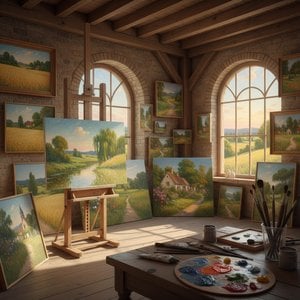
Discover the profound tranquility of rural art through an expert exploration of Impressionist landscapes. From pastoral scenes to textured oil masterpieces, learn how timeless nature-inspired artworks bring enduring elegance and serenity to sophisticated collectors.

Explore the ethereal beauty of Impressionist landscapes. Discover how masters like Monet captured fleeting light through color and texture, and learn to curate these timeless, luminous masterpieces for your home collection.

Elevate your personal landscapes into breathtaking Impressionist oil masterpieces. WahooArt transforms your cherished photos into museum-quality, hand-painted treasures through academic artistry and premium craftsmanship. Invest in a timeless legacy for your home today.

Discover the profound emotional depth of Post-Impressionist landscapes. Explore how masters like Van Gogh revolutionized art through vibrant color, textured impasto, and symbolic expression in this expert guide to the movement that redefined modern art history.

Explore the profound beauty of village scene art. From Impressionist light to pastoral realism, discover how timeless landscapes capture nostalgia through expert artistry and historical depth. Perfect for collectors seeking evocative, museum-quality landscape inspirations.


Stay updated with the latest art news, exclusive offers, and decoration ideas.
Tell us about your project and our art experts will provide you with 3 personalized art suggestions.
Let Us Curate 3 Options Just for You - Free!

 Preview
 Send
Send Share
Share
 Details

 Download
 Similars
 X-Ray
X-Ray Diaporama
 Read More







 Glass option is only available in size under 110 CM


