

 Oil On CanvasWallArtBaroque
 1634Early Modern
 76.0 x 61.0 cm
Hand-painted oil on canvas in your size and frame, made to order by our artists. ( Switch to Print Switch to Digital Image)





























Pick from our preset sizes that match the artwork's original proportions.

You may enter your own dimensions to fit a specific frame or space. If your selected size does not match the original image's proportions, we will either crop the artwork or extend the painting with additional hand-painted elements. A digital mockup will be sent for your approval before production begins.
Please note that the on-screen preview does not reflect the actual cropping or extension. Only the mockup will accurately show the final composition.
While custom sizes are available, we recommend selecting a dimension from the predefined list to preserve the original proportions.
Worldwide Delivery () in 3/4 weeks instead of standard 5 weeks. (13 September). No compromise on quality.


Saint Paul
Reproduction Size
In the grand tapestry of the Italian High Baroque, few images command the viewer's attention with such quiet, spiritual gravity as Guido Reni’s Saint Paul. Painted in 1634, this oil on canvas is far more than a mere religious portrait; it is a profound psychological study of faith and fortitude. The central figure emerges from a shadowed, atmospheric background, his presence anchored by the rugged textures of his beard and the thoughtful furrow of his brow. Reni, often celebrated as Le Guide for his mastery over classical principles, directs our gaze toward the saint's face, where a sense of deep contemplation and spiritual intensity resides. The play of light across the subject’s features creates a sculptural depth, inviting anyone who stands before it to participate in the apostle's moment of divine reflection.
The technical brilliance of this masterpiece lies in Reni’s ability to blend the dramatic tension of the Baroque period with an elegant, refined classicism. Through the meticulous application of oil paints, the artist achieves a breathtaking realism, particularly in the way light dances upon the saint's dark, curly hair and the heavy folds of his crimson robe. This vibrant red, draped with grace over a pristine white garment, serves as a powerful visual anchor, contrasting sharply against the darker, more muted tones of the background. Such use of color is not merely decorative; it breathes life into the canvas, providing a tactile quality that makes the figure feel almost tangible within the space.
Every element within this composition is imbued with profound iconographic meaning, designed to resonate with the faithful and the art scholar alike. Most striking is the sword held firmly in Saint Paul’s hand—a potent symbol of his eventual martyrdom and his unwavering commitment to the Gospel. This instrument of death, rendered with sharp clarity, serves as a poignant reminder of the cost of devotion. The sword transforms the painting from a simple portrait into a narrative of sacrifice, adding a layer of solemnity that elevates the work's emotional impact. As the viewer contemplates the steel, they are simultaneously drawn to the saint’s expression, which suggests a man who has found peace even in the face of impending struggle.
For the discerning collector or interior designer, bringing a reproduction of this work into a space offers more than just aesthetic beauty; it introduces a sense of historical continuity and intellectual depth. The painting's themes of resilience and spiritual conviction are timeless, making it an ideal centerpiece for a room designed to inspire thought and tranquility. Whether placed in a private study or a grand salon, the Saint Paul serves as a window into the seventeenth century, offering a sophisticated touch of Bolognese School elegance that complements both classical and contemporary decor. It is a piece that does not merely decorate a wall but enriches the very atmosphere of a home with its enduring grace and dramatic power.

Guido Reni, also known as Le Guide, was born in Bologna, Italy, in 1575. He was the only child of Daniele Reni, a musician, and Ginevra Pozzi, also from a musical family. This upbringing instilled in him an appreciation for harmony and form that would later influence his artistic style. At the young age of nine, Guido began his apprenticeship under Denis Calvaert, a Flemish painter working in Bologna. He studied alongside fellow aspiring artists Albani and Domenichino, forming a strong foundation in classical principles.
Reni’s artistic career spanned several Italian cities, including Rome, Naples, and his native Bologna. His early work showed the influence of Calvaert and the Carracci brothers, emphasizing anatomical accuracy and dramatic composition. However, Reni quickly developed a distinctive style characterized by its elegant classicism, refined technique, and emotional intensity. He became a dominant figure in the Bolognese School, known for its emphasis on academic training and idealized forms.
Reni's oeuvre encompasses a wide range of subjects, including religious scenes, mythological narratives, and allegorical representations. Some of his most celebrated works include:
Reni's style is often described as eclectic classicism. He blended the precision of classical art with the dynamism and emotion of the Baroque period. His figures are typically idealized, possessing a serene beauty and graceful movement.
Guido Reni played a crucial role in shaping the development of High Baroque style in Italy. He influenced generations of artists with his refined technique, elegant compositions, and emotional depth. His work can be found in prominent museums worldwide, including the Palace of Capodimonte in Naples. Reni’s legacy extends beyond painting; he was also a poet and a respected intellectual figure in his time.
His art continues to inspire artists and art enthusiasts today, solidifying his place as one of the most important painters of the 17th century. His influence can be seen in subsequent Baroque artists who sought to emulate his gracefulness and emotional power.
Guido Reni died in Bologna in 1642, leaving behind a rich artistic legacy that continues to captivate audiences centuries later.

1575 - 1642 , Italy
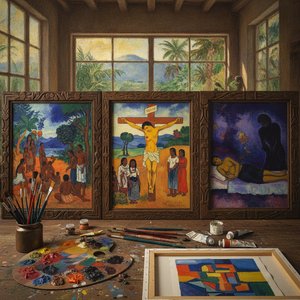
Immerse yourself in the vibrant world of Paul Gauguin. Explore 25 iconic Post-Impressionist masterpieces, from Tahitian landscapes to bold symbolic works. Find inspiration for museum-quality art reproductions and decor. Discover all masterpieces on WahooArt.com.
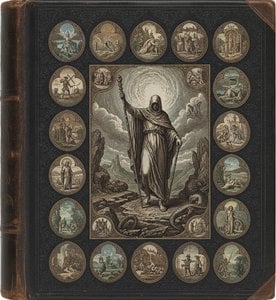
Step into the dramatic world of Gustave Doré. Explore 25 iconic masterpieces of light and shadow, from epic biblical engravings to gothic tales. Find museum-quality art reproductions and timeless decor inspiration. Discover all masterpieces on WahooArt.com.

Embark on a visual journey through the top 25 masterpieces of Paul Klee. Explore his iconic use of color, rhythm, and abstraction through museum-quality stories and art reproductions. Find perfect inspiration for your decor. Discover all masterpieces on WahooArt.com.
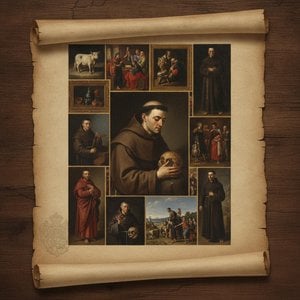
Immerse yourself in the dramatic world of Francisco de Zurbarán. Explore 25 iconic Spanish Baroque masterpieces defined by intense tenebrism and spiritual realism. Find inspiration for museum-quality art reproductions and decor. Discover all masterpieces on WahooArt.com.

Embark on a visual journey through Paul Cézanne’s 25 most iconic Post-Impressionist masterpieces. Uncover the stories, textures, and revolutionary techniques that shaped modern art. Find museum-quality reproductions for inspired decor at WahooArt.com. Discover all masterpieces on WahooArt.com.

 Preview
 Send
Send Share
Share
 Details

 Download
 Similars
 X-Ray
X-Ray Diaporama
 Stats
Stats Read More







 Glass option is only available in size under 110 CM


