x
PreviewPreview AR previewAR preview Buy Print Buy PrintBuy Image Buy Image SendSend
DetailsDetails Add to favorites Add to favorites DownloadDownload SimilarsSimilars X-RayX-Ray DiaporamaDiaporama

The Boulder and the Flume

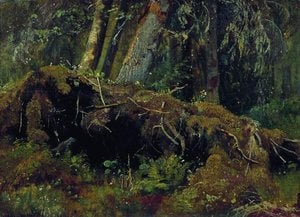
This evocative painting captures Franconia Notch’s dramatic White Mountains scenery with masterful use of light and texture, reflecting Blakelock's distinctive tonalist approach.

Ralph Albert Blakelock (1847-1919): Explore the haunting landscapes & Tonalist masterpieces of this American painter. Discover his tragic life, Western travels, and rediscovery after years of obscurity.

Hand Made Oil Reproduction

Hand-painted oil on canvas in your size and frame, made to order by our artists. (Buy Print Buy PrintBuy Image Buy Image)

P118B $10
P118H $10
P118W $10
P438Z $10
P508JH $12
P508YH $12
P805H $10
P805Z $10
P919BZ $10
P919G $10
P919XJ $10
P959ZH $10
P968JZ $12
W106C $8
W218G $10
W218JH $8
W218Y $10
W307PJ $10
W316G $10
W316PJ $8
W316Y $10
W398PJ $8
W4111J $10
W500HY $15
W500JH $15
W692G $12
W849H $8
W940BG $15
W953PJ $8

Standard
custom
CM
INCH

Pick from our preset sizes that match the artwork's original proportions.

width
height

You may enter your own dimensions to fit a specific frame or space. If your selected size does not match the original image's proportions, we will either crop the artwork or extend the painting with additional hand-painted elements. A digital mockup will be sent for your approval before production begins.
Please note that the on-screen preview does not reflect the actual cropping or extension. Only the mockup will accurately show the final composition.
While custom sizes are available, we recommend selecting a dimension from the predefined list to preserve the original proportions.

Examples of what can be changed: Replace face with customer photo; Add pet (e.g., replace cat with dog); Include hidden message in background; Change background landscape or elements.
After order, WahooArt.com team will email client for instructions and provide a mockup preview

Worldwide Delivery () in 3/4 weeks instead of standard 5 weeks. (26 August). No compromise on quality.

why_choose_icon
Free Worldwide Express Shipping
why_choose_icon
High-Quality Linen Canvas
why_choose_icon
Full Shipping Insurance
why_choose_icon
Customs Tax Refund Guarantee
why_choose_icon
True Color Matching Guarantee
why_choose_icon
60-Day Return Policy (Defects Only)
why_choose_icon
100% Money-Back Guarantee
why_choose_icon
Bulk Discount Offer

Total Price

$ 272

reproduction

The Boulder and the Flume

Reproduction Medium

Reproduction Size

-

Total Price

$ 272

Quick Facts

  • Dimensions: 54 x 28 in.
  • Notable elements or techniques: Strong contrast, roughened textures
  • Location: The Metropolitan Museum of Art
  • Year: 1878
  • Influences: Hudson River School
  • Artistic style: Romantic Landscape
  • Artist: Ralph Albert Blakelock

Art Quiz

There is only one correct answer for each question.

Question 1:
What is the location depicted in ‘The Boulder and the Flume’?
Question 2:
When was this painting created?
Question 3:
What artistic technique is Blakelock known for using in this piece?
Question 4:
The description emphasizes ‘great directness and objectivity.’ What does this suggest about Blakelock’s approach?
Question 5:
What contributes to the overall atmosphere of the painting?

Artwork Description

A Symphony of Shadow and Stone

In the quiet, evocative realm of American Tonalism, few works capture the profound intersection of geological power and atmospheric stillness as masterfully as Ralph Albert Blakelock’s 1878 masterpiece, The Boulder and the Flume. This painting is far more than a mere topographical record of Franconia Notch; it is an immersive sensory experience that invites the viewer into a world where the boundaries between earth, water, and air seem to dissolve. Blakelock, a painter whose life was as textured and complex as his canvases, utilizes a muted, sophisticated palette to evoke the damp, heavy air of the White Mountains. The scene presents a dramatic cleft in the granite bedrock, where a colossal boulder sits poised with a sense of precarious majesty above a rushing stream. There is an inherent tension in this composition—a silent dialogue between the immovable weight of the stone and the kinetic energy of the flowing water.

To gaze upon this work is to witness the artist’s profound ability to translate emotion into landscape. Unlike the Impressionists, who sought to capture the fleeting sparkle of sunlight, Blakelock was a poet of the twilight and the mist. He prioritized the sublime—that specific Romantic feeling of awe mixed with a touch of trepidation when faced with the untamed forces of nature. Through subtle gradations of brown, gray, and ochre, he simulates a diffused, ethereal light that suggests a sun struggling to pierce through a dense mountain canopy. For the collector or interior designer, this piece offers a sense of grounded tranquility; it possesses a rhythmic, meditative quality that can anchor a room, providing a focal point that encourages deep contemplation and a connection to the primordial beauty of the natural world.

Mastery of Texture and Tonalist Technique

The technical brilliance of The Boulder and the Flume lies in Blakelock’s virtuosic use of impasto. He did not merely paint a landscape; he sculpted it upon the canvas. By applying thick, deliberate layers of oil paint, Blakelock created a palpable surface that mirrors the rugged, weathered texture of the granite and the mossy crevices of the forest floor. These visible, rhythmic brushstrokes serve a dual purpose: they provide a physical dimension to the artwork and enhance the illusion of luminosity, as the raised paint catches the light in a way that mimics the natural glisten of wet stone and spray. This tactile approach ensures that the painting remains dynamic, even in its most somber moments.

Beyond the surface, the historical significance of this work resides in its role as a cornerstone of the Tonalist movement. Blakelock’s ability to weave together his personal experiences—including the memories of his travels through the American West and the rugged landscapes of New Hampshire—into a unified aesthetic vision is unparalleled. The painting serves as a bridge between the literal landscape and the internal psychological state. For those seeking to adorn a space with art that possesses both historical weight and contemporary elegance, this reproduction offers an exquisite opportunity to bring the soulful, atmospheric essence of 19th-century American Romanticism into a modern setting.


Artist Biography

A Life Shrouded in Mystery: The World of Ralph Albert Blakelock

Ralph Albert Blakelock, born in New York City in 1847, remains one of the most enigmatic and tragically compelling figures in American art. His life was a poignant blend of artistic vision and personal turmoil, a narrative often overshadowed by obscurity until late in his career. The son of a successful English physician, young Ralph initially followed a path toward medicine, enrolling at the Free Academy of the City of New York – now City College – in 1864. However, the allure of art and music proved too strong to resist, leading him to abandon medical studies after only three terms and dedicate himself fully to creative pursuits. Largely self-taught, Blakelock’s artistic development was a deeply personal journey, shaped by observation, introspection, and an innate sensitivity to the natural world rather than formal academic constraints. This independence would become a defining characteristic of his unique style.

Western Wanderings and the Birth of a Vision

A pivotal period in Blakelock’s life was his extensive journey through the American West from 1869 to 1872. He ventured far beyond established settlements, immersing himself in the landscapes and cultures of the frontier. This wasn't merely a geographical exploration; it was a spiritual quest that profoundly impacted his artistic vision. Spending time among Native American communities provided him with invaluable subject matter and inspiration, fueling his imagination with scenes of wilderness and indigenous life. He meticulously documented his experiences in notebooks filled with sketches and observations, which served as crucial references for his later works. These early landscapes and depictions of Indian encampments weren’t simply representations of what he saw; they were imbued with a romanticized, almost mystical quality, establishing the foundation for his distinctive artistic voice. The vastness and solitude of the West seemed to seep into his very being, influencing the mood and atmosphere that would become hallmarks of his paintings.

Embracing Tonalism: A Symphony in Shadow and Mood

Ralph Albert Blakelock is now recognized as a key figure within the Tonalist movement, an artistic current that emerged in the late 19th century as a reaction against the more detailed and dramatic styles of earlier landscape painting. His canvases are characterized by muted color palettes – often dominated by grays, browns, and greens – atmospheric effects achieved through subtle gradations of tone, and a profound emphasis on mood and emotion over precise representation. He frequently depicted nocturnal scenes and shadowy forests, creating an evocative sense of mystery and introspection. Blakelock’s technique was particularly unique; he famously incorporated coal tar into his pigments to deepen the darkness and achieve a velvety texture. The influence of Albert Pinkham Ryder is evident in this approach – Ryder's dreamlike landscapes resonated deeply with Blakelock’s own artistic sensibilities, inspiring him to explore similar themes of solitude, spirituality, and the sublime power of nature. He wasn’t interested in simply *depicting* a landscape; he sought to capture its essence, its emotional resonance, and its ability to stir the soul.

Tragedy and Rediscovery: A Late-Life Triumph

Despite his undeniable talent, Blakelock struggled with financial hardship throughout much of his life. Supporting a large family – nine children – proved an immense burden, leading him to sell paintings at drastically undervalued prices in moments of desperation. This economic strain contributed to a series of mental breakdowns, the first occurring in 1891 and another more severe episode in 1899 that resulted in nearly two decades spent institutionalized. Ironically, it was during this period of personal suffering that Blakelock’s work began to gain recognition, though often through the unfortunate proliferation of forgeries sold at inflated prices. A turning point arrived in 1916 when one of his landscapes achieved a record-breaking sale price of $20,000, bringing him unexpected public attention and leading to his election as an academician of the National Academy of Design. Though he experienced brief periods of lucidity and continued painting within the confines of the asylum, Blakelock remained largely confined until his death on August 9, 1919, at the age of 71.

A Lasting Legacy: Bridging Eras in American Art

Ralph Albert Blakelock’s contribution to American landscape painting is now widely celebrated. His work represents a crucial bridge between the Hudson River School and the burgeoning modernist movements of the early 20th century. He stands as a testament to the power of self-taught artistry, demonstrating that profound artistic vision can flourish outside the constraints of formal training. His evocative depictions of nature, imbued with mystery and emotion, continue to resonate with audiences today. Moonlight, Indian Encampment, Moonlight, and The Canoe Builders are just a few examples of his enduring masterpieces. Blakelock’s legacy extends beyond his artistic achievements; it is also a poignant reminder of the struggles faced by many artists throughout history – the challenges of financial insecurity, mental health, and the often-delayed recognition of true genius. He remains an important figure in American art history, celebrated for his unique vision, distinctive style, and the enduring appeal of landscapes that invite contemplation and stir the imagination.
Ralph Albert Blakelock

Ralph Albert Blakelock

1847 - 1919 , United States of America

Quick Facts

  • Artistic Movement Or Style: Tonalism
  • Artists Or Movements Influenced By This Artist: American landscape painting
  • Artists Who Influenced This Artist: ['Albert Pinkham Ryder']
  • Date Of Birth: October 15, 1847
  • Date Of Death: August 9, 1919
  • Full Name: Ralph Albert Blakelock
  • Nationality: American
  • Notable Artworks:
    • Moonlight, Indian Encampment
    • Moonlight
    • The Canoe Builders
  • Place Of Birth: New York City, USA
Explore artworks organized by themes, styles, and characteristics.