Stained GlassDecorRenaissance
 Renaissance
 117.0 x 68.0 cm
 Veneranda Fabbrica del Duomo di Milano
Purchase a high-resolution, enhanced digital image, far superior to the online preview.
Each file is meticulously prepared by our in-house specialists using advanced tools and expert manual retouching. We ensure every image has exceptional clarity, precise color accuracy, and fine detail.
The final file is delivered via email within 72 hours, optimized for immediate use in professional, editorial, and print environments. This is the same quality trusted by top-tier design studios, publishers, and galleries.
Download a high-resolution file for personal display, printing, and creative projects. ( Buy Print Buy Hand Made Painting)
When you choose WahooArt.com, you're not just getting an image - you're receiving a professionally enhanced digital artwork, crafted with precision and backed by a satisfaction guarantee. Here's everything that comes with your order, automatically:

Your high-resolution digital image file will be emailed to you within 72 hours of ordering - ready for immediate use.

Your artwork is professionally optimized using advanced AI tools and manual editing, ensuring maximum detail, clarity, and color accuracy.

Accidentally deleted or lost your file? No worries - we'll resend it to you anytime, free of charge.

Enjoy your artwork instantly with zero customs, duties, or delivery fees - digital downloads are always tax-free.

We ensure your digital image reflects the original colors as closely as possible using professional tools and color management.

If you're not satisfied with your digital image, we'll revise it or refund 100% within 100 days - no questions asked.

Not satisfied? Get a full refund within 100 days of receiving your digital file - no questions asked.

Buy 3 images, save 10% - Buy 5, save 15% - Buy 10+, save 20%. Great for creative projects, galleries, and agencies.

Born in the bustling heart of Milan in 1481, Pietro da Velate – also known as Pietro Velati – emerged during a pivotal era in Italian art. His life, tragically cut short in 1525 at the relatively young age of forty-four, nevertheless left an indelible mark on the artistic landscape of Lombardy. More than just a painter and glassmaker, he was a key figure in the burgeoning Renaissance movement, skillfully blending classical ideals with innovative techniques to create works that continue to captivate viewers centuries later. His legacy is particularly strong within the magnificent Duomo di Milano, where his contributions to the choir’s stained-glass windows stand as testaments to his talent and vision.
Pietro's early life remains shrouded in a degree of mystery. Records are scarce, offering only glimpses into a formative period likely spent apprenticed within Milanese workshops. It is believed he honed his skills in both painting and the intricate craft of stained glass production – a crucial combination for an artist seeking to illuminate sacred spaces with vibrant color and divine imagery. This dual expertise allowed him to not only create individual panels but also to contribute significantly to large-scale projects, such as those adorning the Duomo’s soaring interior.
Pietro da Velate's artistic style is characterized by a remarkable balance of elegance, dynamism, and technical mastery. He embraced the core tenets of the High Renaissance – a renewed interest in classical antiquity, a focus on humanism, and an exploration of perspective and realism – while simultaneously incorporating elements of Northern European traditions prevalent in Lombardy at the time. His palette was rich and luminous, employing a dazzling array of colors to depict scenes with remarkable intensity. He skillfully utilized gold leaf extensively, adding a layer of opulence and spiritual significance to his works.
While he undoubtedly drew inspiration from the giants of the Renaissance – Leonardo da Vinci’s sfumato technique and Michelangelo's monumental scale are frequently cited as influences – Pietro also absorbed stylistic elements from artists working in other regions. The influence of Flemish masters, particularly their mastery of detail and use of light, can be observed in his meticulous rendering of drapery and facial features. Furthermore, the traditions of Byzantine art, with its emphasis on symbolism and religious iconography, undoubtedly shaped his approach to depicting biblical narratives.
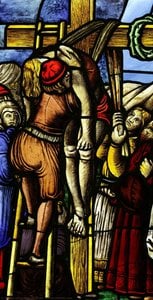
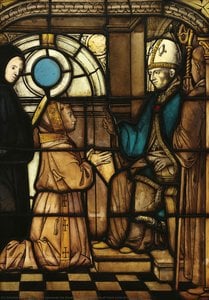
Pietro da Velate's most celebrated achievements are inextricably linked to the construction and decoration of the Milan Cathedral (Duomo). His involvement in this monumental project spanned several years, during which he contributed significantly to the choir’s stained-glass windows. These panels, depicting a range of subjects – including angels, saints, and biblical scenes – are considered masterpieces of Renaissance art. The ‘Angels’ panels, particularly, showcase his ability to capture movement and emotion with remarkable grace.
Beyond the Duomo, Pietro also created significant works in other settings. The ‘Resurrection of Christ,’ a painting housed within the Pinacoteca Malaspina in Pavia, exemplifies his skill in employing color and composition to convey profound religious themes. His contributions to the Certosa di Pavia, a Carthusian monastery, further demonstrate his versatility and mastery of stained-glass techniques. These windows are renowned for their intricate designs and vibrant hues, reflecting Pietro’s commitment to creating visually stunning and spiritually uplifting spaces.
Pietro da Velate's career coincided with a period of intense artistic innovation and political upheaval in Italy. The Sack of Milan in 1499, for example, profoundly impacted the city’s cultural landscape, leading to economic hardship and social unrest. Despite these challenges, artists like Pietro continued to produce works that reflected the enduring power of faith and beauty. His work served not only as decoration but also as a powerful means of communicating religious narratives to a largely illiterate population.
Pietro da Velate’s untimely death in 1525 marked the end of an era. However, his legacy lives on through his remarkable artistic achievements and his enduring contribution to the rich tapestry of Renaissance art. His stained-glass windows at the Milan Cathedral remain a source of wonder and inspiration for visitors from around the world, a testament to the skill and vision of this extraordinary Milanese master.

1481 - 1525 , Italy


 Send
Send Share
Share
 Details

 Download
 Similars
 Diaporama
 Read More