
x


 Acrylic On CanvasWallArtNeoclassical Sensibility
 1810
1810 134.0 x 103.0 cm
 The Louvre
Hand-painted oil on canvas in your size and frame, made to order by our artists. ( Buy Print Buy Image)





























Pick from our preset sizes that match the artwork's original proportions.

You may enter your own dimensions to fit a specific frame or space. If your selected size does not match the original image's proportions, we will either crop the artwork or extend the painting with additional hand-painted elements. A digital mockup will be sent for your approval before production begins.
Please note that the on-screen preview does not reflect the actual cropping or extension. Only the mockup will accurately show the final composition.
While custom sizes are available, we recommend selecting a dimension from the predefined list to preserve the original proportions.
Worldwide Delivery () in 3/4 weeks instead of standard 5 weeks. (28 August). No compromise on quality.


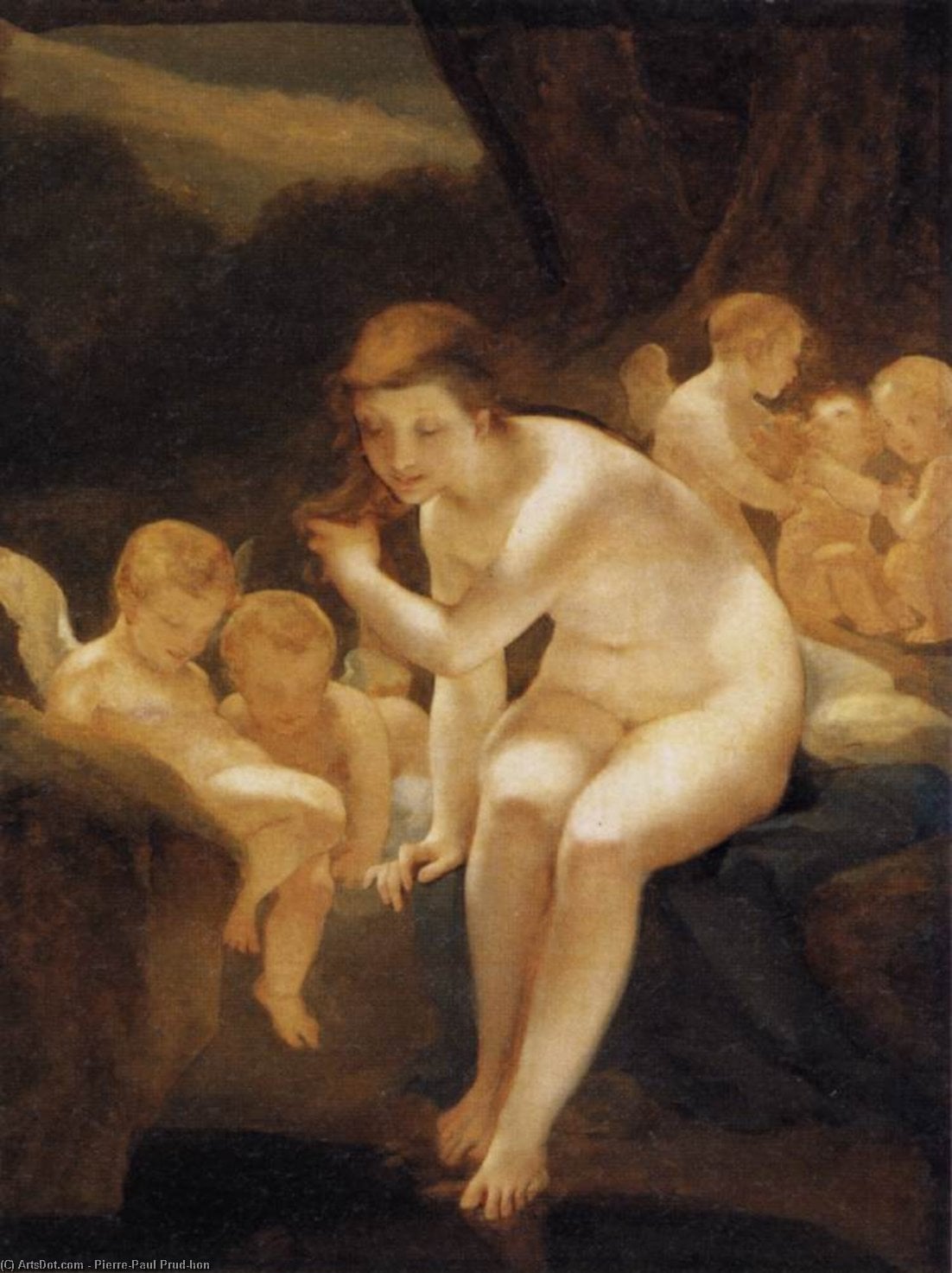
Venus Bathing
Reproduction Size
Pierre-Paul Prud’hon's “Venus Bathing” stands as a cornerstone of Neoclassical art, embodying the era’s pursuit of idealized beauty and rational order. Painted in 1810 during a period marked by significant artistic upheaval—the waning influence of Rococo giving way to Romantic fervor—this monumental oil on canvas (134 x 103 cm) resides within the hallowed halls of the Musée du Louvre, Paris, ensuring its enduring legacy.
The painting emerged from a pivotal moment in European art history—the transition from Rococo extravagance to Romantic idealism. While Rococo celebrated opulent ornamentation and fleeting emotion, Neoclassicism championed reason, order, and moral virtue, drawing inspiration from the artistic achievements of ancient Greece and Rome. Prud’hon skillfully navigated this evolving aesthetic landscape, synthesizing elements of both styles into a singular masterpiece.
Prud'hon’s masterful manipulation of light is arguably the painting’s most striking feature. He employs chiaroscuro to sculpt Venus’ body and imbue the scene with an ethereal glow, mirroring the techniques employed by sculptors like Antonio Canova. This deliberate use of illumination elevates “Venus Bathing” beyond mere depiction—it transforms it into a luminous embodiment of classical beauty.
"Venus Bathing" continues to inspire artists and captivate audiences today, cementing Prud’hon's place as one of the foremost painters of his time. Its enduring appeal lies in its timeless portrayal of feminine grace and its masterful execution—a testament to the artist’s unwavering commitment to Neoclassical ideals.

Pierre-Paul Prud’hon was a pivotal figure in French art, bridging the transition from Neoclassicism to Romanticism. Born in Cluny, Saône-et-Loire, France, his artistic journey reflects the changing aesthetic landscape of late 18th and early 19th century Europe. He is celebrated for both his allegorical paintings and portraits, demonstrating a mastery of chiaroscuro and realism that captivated audiences and influenced subsequent generations.
Prud'hon exerted a considerable influence on subsequent generations of French artists. His mastery of chiaroscuro, his ability to imbue portraits with psychological depth, and his synthesis of Neoclassical and Romantic styles made him a highly respected figure in the art world. Artists such as Théodore Géricault and Eugène Delacroix acknowledged his impact, drawing inspiration from his dramatic compositions and emotional expressiveness. Stendhal, Millet, and Baudelaire also recognized Prud'hon’s artistic merit, further solidifying his place in French cultural history.

1758 - 1823 , France

Explore the refined world of Neoclassical portraiture. Discover the mastery of line, light, and order through an expert exploration of academic art history, from Jacques-Louis David to Jean-Antoine Houdon. Immerse yourself in the timeless elegance of classical realism.

Embark on a sophisticated visual journey through art history's most iconic Venus masterpieces. Explore the divine beauty of Botticelli and the evolution of classical mythology through expert curation for the discerning art enthusiast.

Explore the profound elegance of Neoclassical art. Discover the principles of order, symmetry, and virtue through the works of masters like David and Mengs. Immerse yourself in a journey of classical grace and timeless aesthetic perfection.


Stay updated with the latest art news, exclusive offers, and decoration ideas.
Tell us about your project and our art experts will provide you with 3 personalized art suggestions.
Let Us Curate 3 Options Just for You - Free!

 Preview
 Send
Send Share
Share
 Details

 Download
 Similars
 X-Ray
X-Ray Diaporama
 Read More







 Glass option is only available in size under 110 CM


