Museum-quality giclée or canvas print with fast production and flexible finish options. ( Buy Hand Made Painting Switch to Digital Image)





























Pick from our preset sizes that match the artwork's original proportions.

Type the width and the height you need, to fit your frame or your wall. A print can only be cut, never made bigger than the picture, so a size with a different shape loses a part of the image. We send you a digital mockup to approve before we print anything. The picture shown on this page does not show the real cut — only the mockup does.
Worldwide Delivery () in 2 weeks instead of standard 4/5 weeks. (28 October)
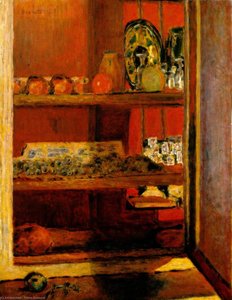
La revue blanche
Reproduction Size
Pierre Bonnard's “La Revue blanche,” created in 1894, isn’t merely a depiction of two women; it’s an embodiment of the Nabis aesthetic—a deliberate rejection of academic formalism and a fervent embrace of sensory experience. Produced by Edward Ancourt for *La Revue blanche*, a Parisian periodical championing avant-garde literature and art, this lithograph exemplifies Bonnard's signature style: a masterful blend of muted hues and flattened perspective that seeks to distill the essence of everyday life.
Bonnard’s artistic sensibilities were profoundly shaped by Japonisme—the fascination with Japanese art and culture sweeping through Europe at the time. Like many Nabis artists, he drew inspiration from *ukiyo-e* prints, particularly their use of bold outlines and simplified forms to convey emotion and atmosphere. This influence is palpable in “La Revue blanche,” where Bonnard employs a similar technique to create a sense of stillness and contemplation amidst the bustling Parisian backdrop.
The choice of lithography as Bonnard’s primary print medium speaks volumes about his artistic philosophy. Lithography, unlike etching or engraving, allowed for multiple impressions from a single stone, making it accessible to a wider audience and aligning perfectly with the Nabis desire to democratize art. Furthermore, Bonnard skillfully exploited the capabilities of color lithography, achieving vibrant hues and nuanced tonal gradations that would have been impossible with traditional printmaking methods.
Beyond its formal innovations, “La Revue blanche” resonates with subtle symbolic undertones. The two women seated together—one holding a book, the other gazing intently—represent intellectual engagement and quiet contemplation within the domestic sphere. Bonnard’s deliberate use of color—primarily pale yellows and blues—creates an atmosphere of serenity and warmth, inviting viewers to immerse themselves in the beauty of ordinary moments.
“La Revue blanche” stands as a testament to Bonnard's enduring contribution to Post-Impressionism. His unwavering commitment to capturing light and color with unparalleled sensitivity continues to inspire artists and collectors alike. As evidenced by reproductions available at WahooArt.com, this iconic artwork remains accessible to anyone seeking to experience the profound emotional impact of Bonnard’s masterful vision.
"La revue blanche" is associated with a romantic feeling. The emotional tone describes the impression the work gives.
"La revue blanche" is executed in acrylic on canvas.
The format of "La revue blanche" is portrait. This is useful when planning where a reproduction will be placed.


1867 - 1947 , France

Embark on a scholarly journey through the alchemy of lithography. This definitive guide offers collectors profound insights into the chemical mastery of stone and ink, the medium's historical legacy, and essential expertise for acquiring rare, museum-quality prints with absolute confidence.

Discover the excellence of WahooArt.com premium poster prints. Designed for elite collectors, our museum-quality Giclée reproductions offer unmatched durability and archival precision to elevate your luxury interiors with high-impact, sophisticated art decor.

 Preview
 Send
Send Share
Share
 Details
 Guide
Guide

 Download
 Similars
 X-Ray
X-Ray Diaporama
 Stats
Stats

 Read More









 Glass option is only available in size under 110 CM