
x


 Acrylic On CanvasWallArtPost-Impressionism
 1875
1875 37.0 x 45.0 cm
 National Gallery of Australia
Museum-quality giclée or canvas print with fast production and flexible finish options. ( Buy Hand Made Painting Buy Image)





























Pick from our preset sizes that match the artwork's original proportions.

You may enter your own dimensions to fit a specific frame or space. If your selected size does not match the original image's proportions, we will either crop the artwork or extend the image with a mirrored or solid-fill edge. A digital mockup will be sent for your approval before production begins.
Please note that the on-screen preview does not reflect the actual cropping or extension. Only the mockup will accurately show the final composition.
While custom sizes are available, we recommend selecting a dimension from the predefined list to preserve the original proportions.
Worldwide Delivery () in 2 weeks instead of standard 4/5 weeks. (6 September)


Afternoon in Naples
Reproduction Size
Painted around 1875, this captivating work by Paul Cézanne offers a provocative and subtly unsettling glimpse into a world of leisure and exoticism. More than just a depiction of figures at rest, it's a study in contrasts – between light and shadow, power dynamics, and the emerging artistic sensibilities that would define Post-Impressionism.
The composition centers on three reclining nude female figures attended by a dark-skinned servant offering tea. This arrangement immediately draws attention to themes of service, privilege, and potentially, the complexities of colonial relationships. Cézanne deliberately avoids a traditional, balanced composition; the weight is concentrated on the left with the attendant, creating a dynamic tension within the scene. The fragmented quality of the figures and background suggests an unfinished quality, lending itself to expressive rather than strictly realistic representation.
“Afternoon in Naples” exemplifies Cézanne’s pivotal role in transitioning from Impressionism towards a more structured and analytical approach. While retaining the vibrant color palette associated with Impressionism, he moves away from capturing fleeting moments of light to explore form and structure. The visible brushstrokes, heavily impastoed paint application – particularly noticeable in the sheet and clothing – demonstrate Cézanne’s focus on the materiality of paint itself. This technique anticipates the expressive freedom of later movements like Fauvism.
The painting reflects the prevalent 19th-century fascination with “Orientalism” – a Western preoccupation with, and often romanticized depiction of, Eastern cultures. Naples, in particular, was viewed as a place of sensual indulgence and freedom. The contrast between the pale skin tones of the reclining women and the dark complexion of the attendant speaks to power imbalances and societal norms of the time. Ambroise Vollard noted that the painting’s title came from Antoine Guillemet, who suggested it captured the spirit of leisurely carnality associated with Naples.
“Afternoon in Naples” evokes a complex emotional response. While seemingly depicting relaxation and luxury, there's an underlying sense of detachment and perhaps even voyeurism. The ambiguous relationship between the figures creates a subtle unease. The muted color palette – ochres, browns, grays, and greens punctuated by the attendant’s striking yellow turban – contributes to a languid yet unsettling atmosphere. This artwork is not merely decorative; it invites contemplation on themes of power, beauty, and cultural exchange.
A high-quality reproduction of “Afternoon in Naples” offers an opportunity to introduce a touch of Post-Impressionist sophistication into any interior. Its nuanced color palette complements both modern and traditional settings, while its thought-provoking subject matter sparks conversation and adds depth to your collection. This piece is ideal for art enthusiasts, collectors seeking significant works, and designers aiming to create spaces that are both visually stunning and intellectually stimulating.


1839 - 1906 , France

Explore the transformative era of Post-Impressionism. Discover how masters like Cézanne and Matisse revolutionized color and form, moving beyond Impressionism to shape modern art history through structural innovation and expressive emotion.

Master the nuances of Impressionism vs. Post-Impressionism with our expert guide. Explore the revolutionary shift from Monet’s fleeting light to Van Gogh’s emotional depth. Discover how these iconic movements continue to inspire fine art collectors and modern interiors today.

Unveil the profound revolution of Post-Impressionism. Explore how masters like Van Gogh and Cézanne utilized bold colors and emotional depth to transcend mere representation, laying the foundation for modern art. A sophisticated journey through history's most emotive brushstrokes.
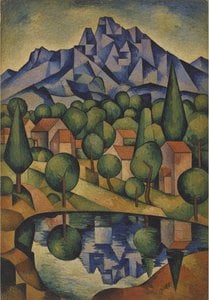
Explore the profound legacy of Paul Cézanne. Discover how his mastery of geometric forms and vibrant color bridged Impressionism and Cubism, offering timeless inspiration for fine art collectors and enthusiasts seeking to understand the foundations of modern art.

Explore the structural genius of Paul Cézanne. Discover how his mastery of geometric form and color bridged Impressionism and Cubism in this definitive guide for art enthusiasts and collectors.


Stay updated with the latest art news, exclusive offers, and decoration ideas.
Tell us about your project and our art experts will provide you with 3 personalized art suggestions.
Let Us Curate 3 Options Just for You - Free!

 Preview
 Send
Send Share
Share
 Details

 Download
 Similars
 X-Ray
X-Ray Diaporama
 Read More







 Glass option is only available in size under 110 CM


