

Hand-painted oil on canvas in your size and frame, made to order by our artists. ( Switch to Print Switch to Digital Image)





























Pick from our preset sizes that match the artwork's original proportions.

Type the width and the height you need, to fit your frame or your wall. This is hand-painted, so for a size with a different shape the artist can paint a bit more around the picture, or cut a bit — you choose. We send you a digital mockup to approve before the painting starts. The picture shown on this page does not show the real result — only the mockup does.
Worldwide Delivery () in 3/4 weeks instead of standard 5 weeks. (25 October). No compromise on quality.
Study to ''Flying Carpet''
Reproduction Size
This evocative study by Nicholas Roerich, painted in 1915, offers a profound meditation on the human desire for transcendence and connection with the boundless realms of nature. More than just a preparatory sketch for his monumental canvas, "Flying Carpet," this work embodies Roerich’s deeply held spiritual beliefs and his unique artistic vision – one that seamlessly blended Eastern mysticism with Western artistic traditions. The scene depicts a solitary figure poised on the precipice of flight, arms outstretched towards a sky teeming with avian life and symbolic kites, immediately drawing the viewer into a realm of aspiration and wonder.
Roerich's technique is characterized by meticulous detail combined with an expressive handling of paint. He employs loose brushstrokes in the sky to convey movement and atmosphere, contrasting sharply with the more defined rendering of the figure’s form. This juxtaposition reflects his artistic philosophy – a deliberate blending of realistic observation with symbolic representation. The study demonstrates Roerich's mastery of color theory and his ability to create a sense of depth and volume through subtle gradations of tone. It is clear that this piece was created as an exploration of composition and color before the final, larger work.
Created in 1915, during a period of immense social and political upheaval – namely World War I – “Study to ‘Flying Carpet’” reflects Roerich's broader concerns with spiritual renewal and the search for meaning amidst chaos. The inclusion of birds and kites is particularly significant; these elements are rich with symbolism, representing freedom, aspiration, and connection to higher realms. Kites, in particular, held a special significance for Roerich, who associated them with the concept of “aerial travel” – both literal and metaphorical – as a means of transcending earthly limitations. The image resonates with theosophical ideas prevalent at the time, emphasizing the interconnectedness of all things and the potential for human beings to achieve spiritual enlightenment through conscious effort.
Roerich’s work was deeply influenced by his travels in Central Asia and Tibet, where he encountered ancient cultures and esoteric traditions. He believed that art could be a powerful tool for promoting peace and understanding across cultural divides."Study to ‘Flying Carpet’" is more than just a painting; it's an invitation to contemplate the fundamental questions of human existence. The figure’s outstretched pose evokes a sense of longing, hope, and the boundless possibilities that lie beyond our everyday perceptions. This study serves as a powerful reminder of Roerich’s artistic genius and his enduring legacy as one of the 20th century's most visionary artists. A hand-painted reproduction offers an unparalleled opportunity to experience the full emotional impact of this remarkable work, bringing its beauty and symbolism into your home or studio.
The hopeful tone of "Study to ''Flying Carpet''" by Nicholas Roerich matches its recommended gift occasion: anniversary.
Nicholas Roerich used the acrylic on canvas technique for "Study to ''Flying Carpet''". The technique defines the material nature of the original work.
"Study to ''Flying Carpet''" is defined by a monochrome palette led by rosy brown (#9f927a).


1874 - 1947 , Russia

Discover the breathtaking allure of Art Deco. Explore the era's iconic geometry, legendary designers like Erté, and timeless glamour. Perfect for discerning collectors seeking to infuse their spaces with sophisticated modernist elegance and historical prestige.
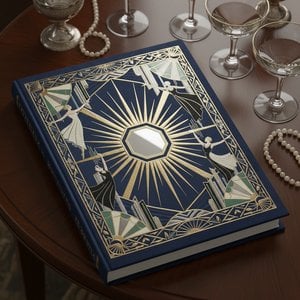
Discover the allure of Art Deco through a curated guide to its most iconic masterpieces. Explore the elegance of Erté and the innovation of Jean Dunand, perfect for collectors seeking timeless glamour and sophisticated design inspiration.

Master the nuances of Giclée printing with our expert guide. Discover how pigment-based inks and museum-grade substrates create fade-resistant, high-fidelity art reproductions designed for discerning collectors seeking unparalleled quality and longevity.

Transform your digital artistry into a prestigious global brand with WahooArt’s premium Giclée prints. Experience museum-quality archival excellence and seamless on-demand fulfillment designed for the modern creative entrepreneur seeking to build a lasting artistic legacy.

 Preview
 Send
Send Share
Share
 Details
 Guide
Guide

 Download
 Similars
 X-Ray
X-Ray Diaporama
 Stats
Stats

 Read More









 Glass option is only available in size under 110 CM


