
x


Hand-painted oil on canvas in your size and frame, made to order by our artists. ( Buy Print Buy Image)





























Pick from our preset sizes that match the artwork's original proportions.

You may enter your own dimensions to fit a specific frame or space. If your selected size does not match the original image's proportions, we will either crop the artwork or extend the painting with additional hand-painted elements. A digital mockup will be sent for your approval before production begins.
Please note that the on-screen preview does not reflect the actual cropping or extension. Only the mockup will accurately show the final composition.
While custom sizes are available, we recommend selecting a dimension from the predefined list to preserve the original proportions.
Worldwide Delivery () in 3/4 weeks instead of standard 5 weeks. (29 August). No compromise on quality.


Smolensk walls
Reproduction Size
Nicholas Roerich's "Smolensk Walls" (1910) isn’t merely a depiction of a medieval fortress; it’s a profound meditation on time, memory, and the enduring spirit of a region steeped in centuries of conflict and resilience. Painted during a period of intense artistic experimentation and personal transformation for Roerich, this work transcends simple representation, becoming a visual embodiment of his evolving spiritual philosophy – a belief that art could serve as a bridge between the earthly and the divine.
The scene unfolds within a dramatic chiaroscuro, dominated by the imposing silhouette of Smolensk’s formidable walls. Constructed primarily between 1595 and 1602 under Tsar Boris Godunov, these fortifications weren't simply defensive structures; they were symbols of power, protection, and the very soul of the city. Roerich masterfully captures their weathered solidity – the rough-hewn brick, the subtle variations in tone suggesting age and exposure to the elements – conveying a palpable sense of history pressing down upon the viewer. The stark contrast between light and shadow isn’t just an aesthetic choice; it represents the interplay between darkness and enlightenment, chaos and order, that Roerich consistently explored in his work.
While firmly rooted in Realist techniques – evident in the meticulous detail of the stonework and the realistic portrayal of the figures – "Smolensk Walls" is far from a straightforward depiction. Roerich, deeply influenced by his interest in esoteric traditions and shamanistic practices, imbued the painting with layers of symbolic meaning. The central figure, a solitary observer positioned near the castle’s base, isn't simply a spectator; he embodies humanity contemplating the weight of the past. His posture suggests introspection, perhaps even a yearning for connection to something larger than himself.
To fully appreciate "Smolensk Walls," it's crucial to understand the context in which it was created. Roerich was deeply involved in a complex spiritual movement known as “Agni Yoga,” which sought to unite humanity through selfless service and a connection with the cosmos. His art became increasingly focused on themes of harmony, balance, and the interconnectedness of all things. This painting reflects that shift – moving beyond mere representation to convey a deeper philosophical message.
Furthermore, Roerich’s travels throughout Asia, particularly his time in Tibet and India, profoundly influenced his artistic vision. He sought to integrate Eastern spiritual concepts into his Western art, creating a unique synthesis of styles and symbolism. "Smolensk Walls" demonstrates this fusion beautifully, blending the precision of European Realism with elements of Eastern mysticism.
“Smolensk Walls” is more than just a painting; it’s a testament to the enduring power of place. Smolensk itself has been a crossroads of civilizations for centuries, witnessing countless wars and transformations. Roerich's depiction captures not only the physical structure of the fortress but also its symbolic significance as a guardian of history and a reminder of humanity’s ongoing struggle to find meaning in a world shaped by both triumph and tragedy. Reproductions of this work offer a powerful connection to this rich past, inviting viewers to contemplate their own place within the grand narrative of time.


1874 - 1947 , Russia
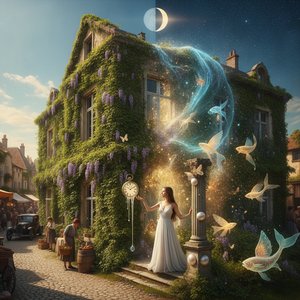
Explore the enigmatic world of Magic Realism. From its German origins to Latin American mastery, discover how this sophisticated movement blends reality with the extraordinary—perfect for discerning collectors seeking depth and wonder in fine art.


Stay updated with the latest art news, exclusive offers, and decoration ideas.
Tell us about your project and our art experts will provide you with 3 personalized art suggestions.
Let Us Curate 3 Options Just for You - Free!

 Preview
 Send
Send Share
Share
 Details

 Download
 Similars
 X-Ray
X-Ray Diaporama

 Read More







 Glass option is only available in size under 110 CM


