Acrylic On CanvasWallArtSymbolism
 192219th Century
 58.0 x 79.0 cm
Hand-painted oil on canvas in your size and frame, made to order by our artists. ( Switch to Print Switch to Digital Image)





























Pick from our preset sizes that match the artwork's original proportions.

You may enter your own dimensions to fit a specific frame or space. If your selected size does not match the original image's proportions, we will either crop the artwork or extend the painting with additional hand-painted elements. A digital mockup will be sent for your approval before production begins.
Please note that the on-screen preview does not reflect the actual cropping or extension. Only the mockup will accurately show the final composition.
While custom sizes are available, we recommend selecting a dimension from the predefined list to preserve the original proportions.
Worldwide Delivery () in 3/4 weeks instead of standard 5 weeks. (23 September). No compromise on quality.


Language of forest
Reproduction Size
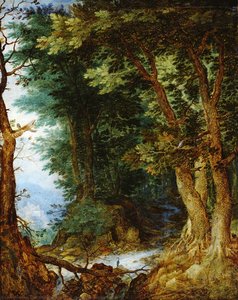
“The Language of the Forest,” painted in 1922 by the visionary Nicholas Roerich, is more than just a depiction of a serene woodland scene; it's an immersive exploration of spiritual and symbolic landscapes. This evocative artwork, measuring 58 x 79 cm, captures a moment of profound tranquility within a forest setting – a carefully constructed tableau designed to resonate with viewers on multiple levels. The painting’s immediate appeal lies in its masterful rendering of light and atmosphere, particularly the dramatic interplay of sunset hues that bathe the trees and mountains in a warm, golden glow. Roerich's meticulous attention to detail, from the textured bark of the foreground trees to the distant peaks, creates a palpable sense of depth and scale, drawing the viewer into the heart of the composition.
Roerich’s work is deeply rooted in his exploration of esoteric philosophies and spiritual traditions, particularly those originating from the East. “The Language of the Forest” exemplifies this influence through its symbolic representation of nature as a conduit to higher consciousness. The forest itself becomes a sacred space, imbued with layers of meaning – a recurring motif throughout Roerich’s oeuvre. The presence of figures within the scene—seated on rocks and standing amongst the trees—suggests human connection with this natural world, inviting contemplation and reverence. The painting's Symbolist style, as confirmed by WikiArt, emphasizes mood and suggestion over realistic representation, prioritizing emotional impact and spiritual significance.
Executed in oil on canvas, Roerich’s technique is characterized by a rich, layered application of paint. He employed a glazing method—building up color through translucent washes—to achieve the luminous effects so characteristic of his work. The brushwork is deliberate yet fluid, conveying both precision and an intuitive understanding of light and shadow. Roerich's meticulous preparation of pigments, often incorporating minerals and precious materials, contributed to the depth and vibrancy of his palette. This dedication to material quality ensured that each reproduction would retain a remarkable fidelity to the original’s textural richness.
Created in 1922, “The Language of the Forest” reflects a pivotal moment in Roerich's artistic development. Following his travels through Central Asia and Tibet, he became increasingly fascinated with ancient cultures and spiritual traditions. This period saw him develop his unique visual language—a synthesis of Western artistic techniques and Eastern philosophical concepts—aimed at promoting intercultural understanding and advocating for peace. The painting can be viewed as a testament to Roerich’s belief in the interconnectedness of all things, reflecting his lifelong commitment to exploring the spiritual dimensions of art and life.


1874 - 1947 , Russia

Elevate luxury interiors with exquisite mountain oil painting reproductions. From Romanticism to the Hudson River School, WahooArt offers bespoke, hand-painted masterpieces and large-scale murals tailored for hotel designers and elite collectors worldwide.

 Preview
 Send
Send Share
Share
 Details
 Guide
Guide

 Download
 Similars
 X-Ray
X-Ray Diaporama
 Stats
Stats Read More







 Glass option is only available in size under 110 CM