
x


 Oil On PanelWallArtEarly Netherlandish Painting
 1475Renaissance
 38.0 x 25.0 cm
 National Gallery
Hand-painted oil on canvas in your size and frame, made to order by our artists. ( Buy Print Buy Image)





























Pick from our preset sizes that match the artwork's original proportions.

You may enter your own dimensions to fit a specific frame or space. If your selected size does not match the original image's proportions, we will either crop the artwork or extend the painting with additional hand-painted elements. A digital mockup will be sent for your approval before production begins.
Please note that the on-screen preview does not reflect the actual cropping or extension. Only the mockup will accurately show the final composition.
While custom sizes are available, we recommend selecting a dimension from the predefined list to preserve the original proportions.
Worldwide Delivery () in 3/4 weeks instead of standard 5 weeks. (29 August). No compromise on quality.


Young Man at Prayer
Reproduction Size
In the quietude of a darkened chamber, a single soul finds communion with the divine. Hans Memling’s Young Man at Prayer captures a profound moment of spiritual intimacy that transcends the centuries, inviting every viewer into a space of sacred stillness. The subject, a youth draped in the somber elegance of a black robe, is frozen in an act of pure, unadulterated devotion. His hands are clasped tightly, fingers interlaced in a gesture of humble supplication, while his gaze drifts upward, lost in a celestial vision that remains invisible to the viewer. This upward tilt of the head suggests a bridge between the earthly and the eternal, creating a breathtaking tension between the physical presence of the man and the unseen grace he seeks.
The composition is a masterclass in the Early Netherlandish tradition of focused realism. Memling utilizes a deep, atmospheric background that provides a subtle depth, preventing the subject from feeling isolated while simultaneously pushing him toward the foreground. The contrast between the dark, heavy fabric of the robe and the soft, luminous skin of the young man’s face creates a sculptural quality, a hallmark of the Flemish Primitives. For the discerning collector or interior designer, this piece offers a profound focal point—a window into a meditative state that brings a sense of peace and contemplative gravity to any curated space.
To behold this work is to witness the pinnacle of 15th-century oil technique. As a student of the great Rogier van der Weyden, Memling brought an unparalleled precision to the medium, utilizing the painstaking process of glazing to achieve extraordinary results. By applying multiple translucent layers of pigment over a prepared wooden panel, he allowed light to penetrate the surface and reflect back through the colors, imbuing the painting with an inner, ethereal glow. This technique allows for nuanced gradations of color and subtle modeling effects that capture the essence of the human form with breathtaking accuracy.
The mastery of light in this piece does not merely illuminate; it caresses. It catches the slight moisture in the eyes and highlights the delicate texture of the hands, making the spiritual experience feel tangibly real. This technical virtuosity—the ability to render the soft fold of fabric and the warmth of skin through layers of oil—is what makes a high-quality reproduction of this masterpiece so captivating. When recreated with such attention to detail, the painting retains its ability to command attention through its textural richness and luminous depth.
Created circa 1475, this work emerged during a period of significant artistic innovation in Northern Europe. Memling, the "Bruges Master," had established himself as a pivotal figure in the movement, blending the meticulous observation of nature with profound spiritual contemplation. While the painting likely served as a side panel for a larger triptych—perhaps once flanking a central Virgin and Child—it stands alone as a complete narrative of faith. The historical context of the piece reflects a time when art was not merely decoration but a functional tool for prayer and reflection.
For those seeking to integrate classical beauty into modern environments, Young Man at Prayer offers more than just aesthetic value; it offers an emotional resonance. Whether placed in a quiet study, a library, or a grand living space, the painting serves as a reminder of the power of stillness in a frantic world. It is a piece that speaks to the enduring human desire for connection, making it an invaluable acquisition for anyone who appreciates the intersection of historical mastery and timeless emotional depth.


Germany
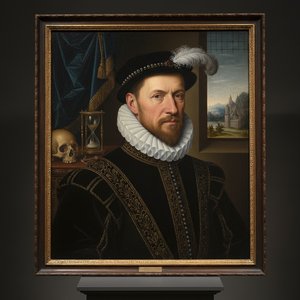
Explore the breathtaking precision of Hans Holbein the Younger. From Tudor royal portraits to intricate Northern Renaissance details, discover the mastery behind his legendary works and learn how to bring this historical grandeur into your collection with museum-quality reproductions.
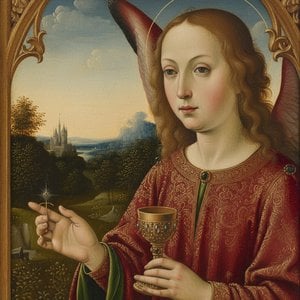
Embark on a journey through the luminous world of Early Netherlandish art. Discover the revolutionary oil techniques, microscopic realism, and sacred symbolism used by masters like Jan van Eyck to redefine Western art history in this expert-led guide.

Delve into the luminous revolution of Early Netherlandish painting. Unveil how Jan van Eyck and Flemish masters pioneered oil techniques to achieve unparalleled depth, sacred symbolism, and breathtaking realism, forever shaping the legacy of Western art history.


Stay updated with the latest art news, exclusive offers, and decoration ideas.
Tell us about your project and our art experts will provide you with 3 personalized art suggestions.
Let Us Curate 3 Options Just for You - Free!

 Preview
 Send
Send Share
Share
 Details

 Download
 Similars
 X-Ray
X-Ray Diaporama
 Read More







 Glass option is only available in size under 110 CM


