x
PreviewPreview AR previewAR preview Buy Print Buy PrintBuy Hand Made Painting Buy Hand Made Painting SendSend
DetailsDetails Add to favorites Add to favorites DownloadDownload SimilarsSimilars X-RayX-Ray DiaporamaDiaporama

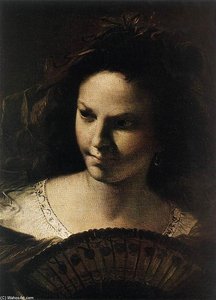
Absalom's Feast

Experience Mattia Preti’s ‘Absalom’s Feast’ – a dramatic Baroque masterpiece! Explore this 1653 oil painting's intense emotion & masterful light. Hand-painted reproduction available.

Discover Mattia Preti (1613-1699), a Baroque master! Explore his dramatic frescoes, intense emotion & masterful use of light and shadow across Italy & Malta.

Purchase a high-resolution, enhanced digital image, far superior to the online preview.

Each file is meticulously prepared by our in-house specialists using advanced tools and expert manual retouching. We ensure every image has exceptional clarity, precise color accuracy, and fine detail.

The final file is delivered via email within 72 hours, optimized for immediate use in professional, editorial, and print environments. This is the same quality trusted by top-tier design studios, publishers, and galleries.

Digital Image

Download a high-resolution file for personal display, printing, and creative projects. (Buy Print Buy PrintBuy Hand Made Painting Buy Hand Made Painting)

Total Price

$ 24.90

Included in Every Digital Image Order

Expert Digital Delivery, Guaranteed

When you choose WahooArt.com, you're not just getting an image - you're receiving a professionally enhanced digital artwork, crafted with precision and backed by a satisfaction guarantee. Here's everything that comes with your order, automatically:

shipping_icon
Fast Email Delivery

Your high-resolution digital image file will be emailed to you within 72 hours of ordering - ready for immediate use.

canvas_icon
AI-Enhanced Digital File

Your artwork is professionally optimized using advanced AI tools and manual editing, ensuring maximum detail, clarity, and color accuracy.

insurance_icon
Free Lifetime Re-Delivery

Accidentally deleted or lost your file? No worries - we'll resend it to you anytime, free of charge.

tax_icon
No Import Fees - Ever

Enjoy your artwork instantly with zero customs, duties, or delivery fees - digital downloads are always tax-free.

color_icon
Color Accuracy Guarantee

We ensure your digital image reflects the original colors as closely as possible using professional tools and color management.

return_icon
60-Day Satisfaction Guarantee

If you're not satisfied with your digital image, we'll revise it or refund 100% within 60 days - no questions asked.

guarantee_icon
100% Money-Back Guarantee

Not satisfied? Get a full refund within 60 days of receiving your digital file - no questions asked.

discount_icon
Bulk Order Discounts

Buy 3 images, save 10% - Buy 5, save 15% - Buy 10+, save 20%. Great for creative projects, galleries, and agencies.

Quick Facts

  • Location: Capodimonte Museum, Naples
  • Influences:
    • Caravaggio
    • Veronese
  • Medium: Oil on canvas
  • Year: 1653
  • Artistic style: Dynamic, dramatic
  • Notable elements: Dramatic scene, betrayal
  • Movement: Baroque

Art Quiz

There is only one correct answer for each question.

Question 1:
What is the primary subject depicted in Mattia Preti’s ‘Absalom’s Feast’?
Question 2:
In what year was ‘Absalom’s Feast’ painted?
Question 3:
Which Italian Baroque painter is most closely associated with the style and techniques evident in ‘Absalom’s Feast’?
Question 4:
The painting utilizes a dramatic use of light and shadow. What artistic movement is most closely linked to this technique?
Question 5:
Where can ‘Absalom’s Feast’ be found today?

The Genesis of a Dramatic Scene

Mattia Preti's "Absalom’s Feast," completed in 1653, isn’t merely a painting; it’s a meticulously constructed tableau of betrayal and despair, born from the heart of the Italian Baroque. This monumental oil on canvas, measuring an impressive 202 x 297 cm and currently residing within the Museo Nazionale di Capodimonte in Naples, immediately commands attention with its dramatic composition and intensely emotive palette. Preti, a Calabrian Knight known as “Il Cavalier Calabrese,” masterfully synthesizes influences from Caravaggio’s stark realism, the vibrant colorism of Venetian masters like Titian and Veronese, and the dynamic energy of Emilian artists like Guercino and Lanfranco – creating a uniquely powerful visual narrative. The painting's origins lie in a commission for the Palazzo Doria-Pamphili in Rome, reflecting the prevailing trends of neo-Venetianism that were shaping artistic sensibilities at the time.

A Symphony of Darkness and Light

The scene unfolds within a lavishly rendered architectural setting – a grand hall overflowing with opulent details, hinting at the extravagance of King Baldassarre’s ill-fated banquet. Preti employs his signature technique of dramatic chiaroscuro, utilizing pools of deep shadow to heighten the sense of tension and mystery, while strategically placed splashes of red draw the eye to key elements: the fallen head of Absalom resting on a table, a sword held aloft by a figure caught in the act of betrayal, and the ominous inscription scrawled across the wall. This masterful manipulation of light isn’t simply decorative; it serves to amplify the emotional weight of the scene, conveying a sense of impending doom and irreversible tragedy. The brushwork itself is remarkably energetic, reflecting Preti's commitment to capturing movement and dynamism – a hallmark of Baroque art.

Symbolism Woven into the Narrative

Beyond its immediate visual impact, "Absalom’s Feast" is rich in symbolic meaning. The story depicted—the downfall of King Baldassarre due to his own hubris and the judgment of God—resonates with themes of power, corruption, and divine retribution. Absalom's posture – head resting on a table, suggesting defeat and vulnerability – speaks volumes about the consequences of transgression. The figures surrounding him are not merely observers; they represent the various facets of betrayal: shock, anger, complicity, and despair. Even the architectural details—the grand hall, the overflowing tables—contribute to the overall sense of excess and impending collapse. Preti’s ability to imbue a historical narrative with such potent symbolism elevates the painting beyond a simple depiction of an event; it becomes a meditation on human nature and the inescapable consequences of our actions.

A Legacy of Baroque Drama

Mattia Preti's "Absalom’s Feast" stands as a testament to his artistic genius and a prime example of the dramatic intensity that characterized the Italian Baroque. His work, particularly during his time in Malta, significantly influenced subsequent generations of artists. The painting’s enduring appeal lies not only in its technical brilliance but also in its ability to evoke a profound emotional response from viewers. Reproductions of this powerful masterpiece offer a captivating glimpse into a pivotal moment in art history—a scene brimming with intrigue, betrayal, and the inescapable weight of fate. Further research can be found at https://WahooArt.com and https://WahooArt.com, as well as on Wikipedia.


Artist Biography

A Calabrian Knight of the Baroque

Mattia Preti, known as Il Cavalier Calabrese – the Calabrian Knight – stands as a pivotal figure in 17th-century Italian Baroque painting. Born in Taverna, Calabria, on February 24, 1613, his artistic journey was one of dynamic evolution, absorbing diverse influences and culminating in a uniquely expressive style that left an indelible mark on the art world, particularly in Malta where he would spend much of his later life. Preti’s early training began under Giovanni Battista Caracciolo, a painter deeply rooted in the Caravaggist movement. This foundational exposure instilled within him a profound understanding of dramatic chiaroscuro – the intense interplay of light and shadow – and a commitment to realistic depiction that would remain hallmarks of his work throughout his career. Before 1630, he joined his brother Gregorio in Rome, immersing himself in the artistic ferment of the city and studying the masters who defined the era: Caravaggio, Guercino, Rubens, Guido Reni, and Giovanni Lanfranco. This period was crucial, shaping not only his technical skills but also his aesthetic sensibilities.

Forging a Dynamic Style

Preti’s artistic development wasn't merely imitation; it was a synthesis of influences, skillfully woven into a style distinctly his own. While initially steeped in Caravaggism, he gradually moved beyond its strict confines, embracing the dynamism and emotional intensity that characterized the High Baroque. His time in Naples further refined this evolution, exposing him to the vibrant work of Luca Giordano. This period saw Preti’s canvases swell with energetic movement, complex compositions, and a heightened sense of drama. He masterfully employed dramatic contrasts of light and shadow, inherited from Caravaggio, not simply as a technical device but as a means of intensifying emotional impact and guiding the viewer's eye. His figures are imbued with palpable emotion, conveyed through expressive faces and dynamic body language. This ability to evoke powerful feelings – piety, anguish, ecstasy – became a defining characteristic of his oeuvre. He wasn’t content merely to depict scenes; he sought to *animate* them, breathing life into biblical narratives and religious iconography.

Commissions and Masterpieces Across Italy

Mattia Preti's talent quickly garnered recognition, leading to a series of significant commissions throughout Italy. Early in his career, he created impressive fresco cycles for Roman churches like Sant’Andrea della Valle and San Carlo ai Catinari, demonstrating an aptitude for large-scale decorative painting. His work at the church of San Biagio in Modena showcased his ability to adapt his style to different architectural settings. However, some of his most ambitious – though sadly lost – works were the frescoes he painted on seven city gates in Naples depicting the Virgin or saints delivering people from the plague. Though only sketches remain today, they testify to the scale and impact of these monumental creations. These commissions weren’t simply about fulfilling a patron's request; they were opportunities for Preti to engage with the religious and cultural life of the communities he served, imbuing his art with meaning and purpose.

The Maltese Zenith: St. John’s Co-Cathedral

It was in Malta, however, that Mattia Preti reached the pinnacle of his artistic achievement. Appointed a Knight of the Order of St. John in 1660, he embarked on a transformative project: the complete redecoration of the interior of St. John’s Co-Cathedral in Valletta. This undertaking – arguably his most significant legacy – involved an astonishing series of paintings depicting the life and martyrdom of Saint John the Baptist. The sheer scale of the project is breathtaking; Preti essentially created a visual narrative that enveloped the viewer, immersing them in the story of the saint. The opulent Baroque setting provided the perfect canvas for his dramatic style, and the resulting artwork cemented his reputation as one of Europe’s leading painters. His work at St. John's wasn't merely decorative; it was an act of devotion, a testament to his faith, and a powerful expression of the Order’s religious identity.

A Lasting Legacy

Mattia Preti continued to receive commissions from across Europe following his success in Malta, solidifying his position as a leading figure in Italian Baroque art. He died in 1699, leaving behind a rich artistic legacy that continues to inspire and captivate audiences today. His masterful use of light and shadow, dynamic compositions, and ability to convey intense emotion remain hallmarks of his style. His contributions are preserved in museums such as the Capodimonte Museum in Naples, and through reproductions made available by platforms like WahooArt.com, ensuring that his art continues to reach new generations. The enduring impact of Preti’s work is perhaps most vividly felt within the walls of St. John's Co-Cathedral, a breathtaking testament to his artistic genius and unwavering dedication to the Baroque aesthetic. Il Cavalier Calabrese truly earned his title, not only as a knight but as a master painter who illuminated the world with his vision.
Mattia Preti

Mattia Preti

1613 - 1699 , Italy

Quick Facts

  • Artistic Movement Or Style: Baroque
  • Artists Or Movements Influenced By This Artist:
    • Stringa
    • Mola
  • Artists Who Influenced This Artist:
    • Caravaggio
    • Guercino
    • Rubens
    • Reni
    • Lanfranco
    • Giordano
  • Date Of Birth: Feb 24, 1613
  • Date Of Death: 1699
  • Full Name: Mattia Preti
  • Nationality: Italian
  • Notable Artworks:
    • Tribute Money
    • Absalom's Feast
    • St John Reproaching Herod
  • Place Of Birth: Taverna, Italy